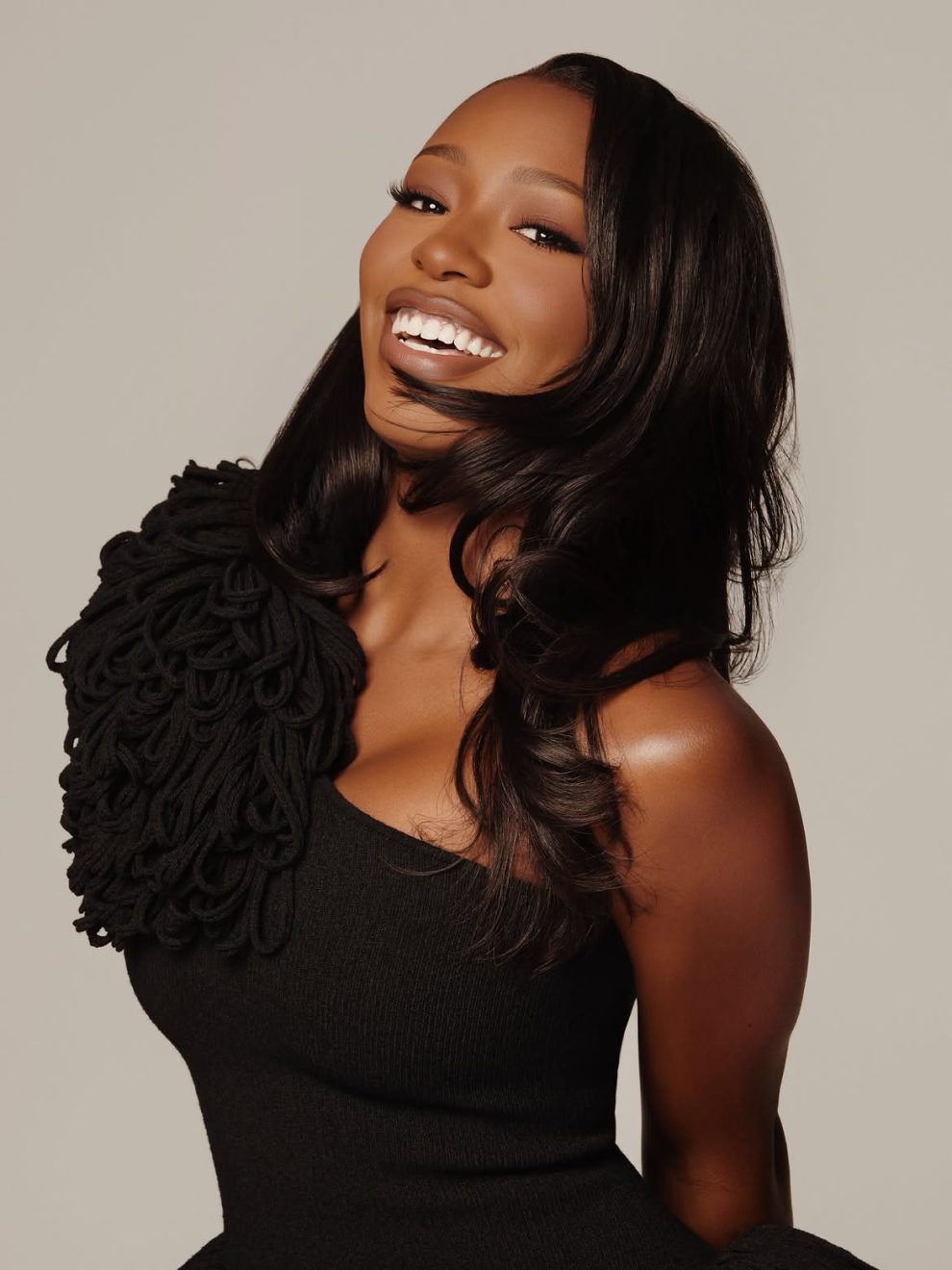
Reality TV can make someone famous almost overnight, but staying relevant after the cameras stop is a different story. For some personalities, the show becomes a launchpad, giving them the audience, visibility, and access to build something bigger. For others, reality TV arrives after they have already established careers or businesses, making the show an amplifier rather than the beginning.
That distinction is important when looking at the personalities featured in this list. Their stories span fashion, beauty, entrepreneurship, broadcasting, entertainment and philanthropy, with careers stretching across Nigeria, the UK, the United States, South Africa and the UAE. Some built their brands after reality TV, while others simply used the platform to introduce work they were already doing to a much larger audience.
For the UncutXtra Reality Edition, we are looking beyond the familiar question of who was the most memorable on screen. Instead, we are looking at what happened when the cameras stopped rolling and these personalities had to turn visibility into something with a life of its own.
1. Molly-Mae Hague | Love Island UK
Molly-Mae Hague entered Love Island UK in 2019 as a social media influencer, but the scale of her career after the show has made her one of the franchise’s most recognizable beauty business stories. Her Love Island exposure helped grow an enormous audience, which she subsequently turned into commercial opportunities across fashion, beauty, and lifestyle.
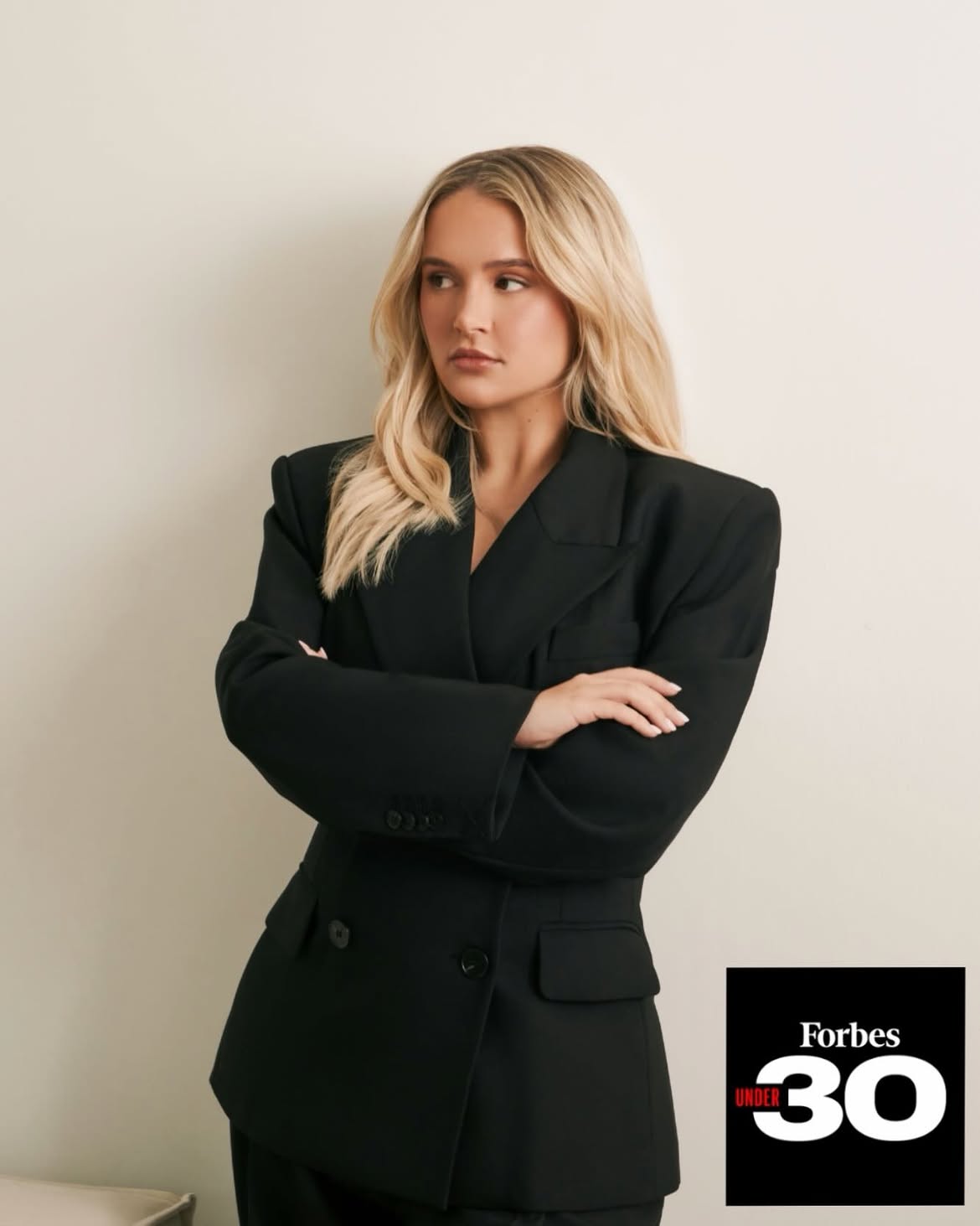
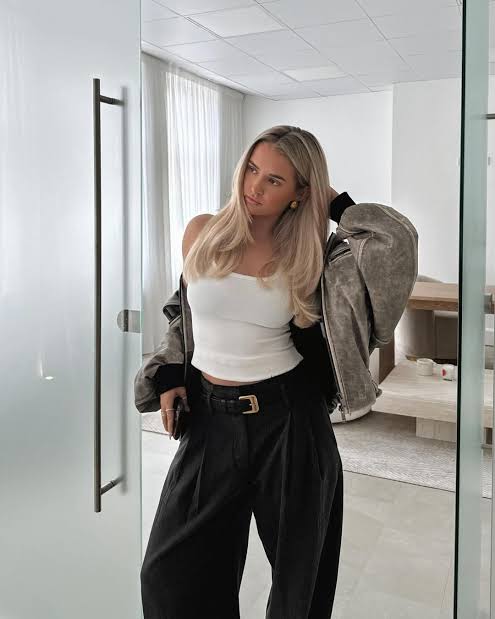
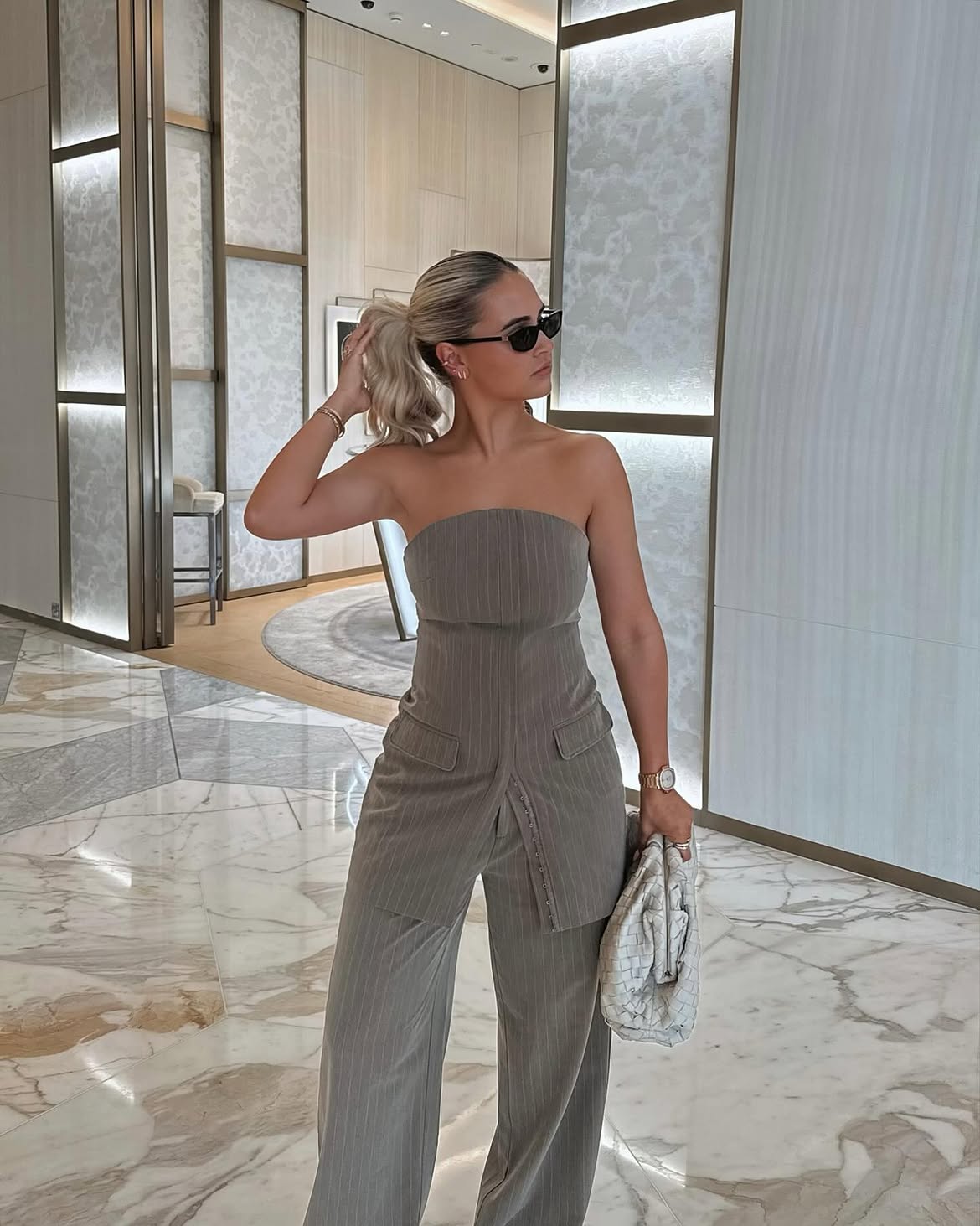
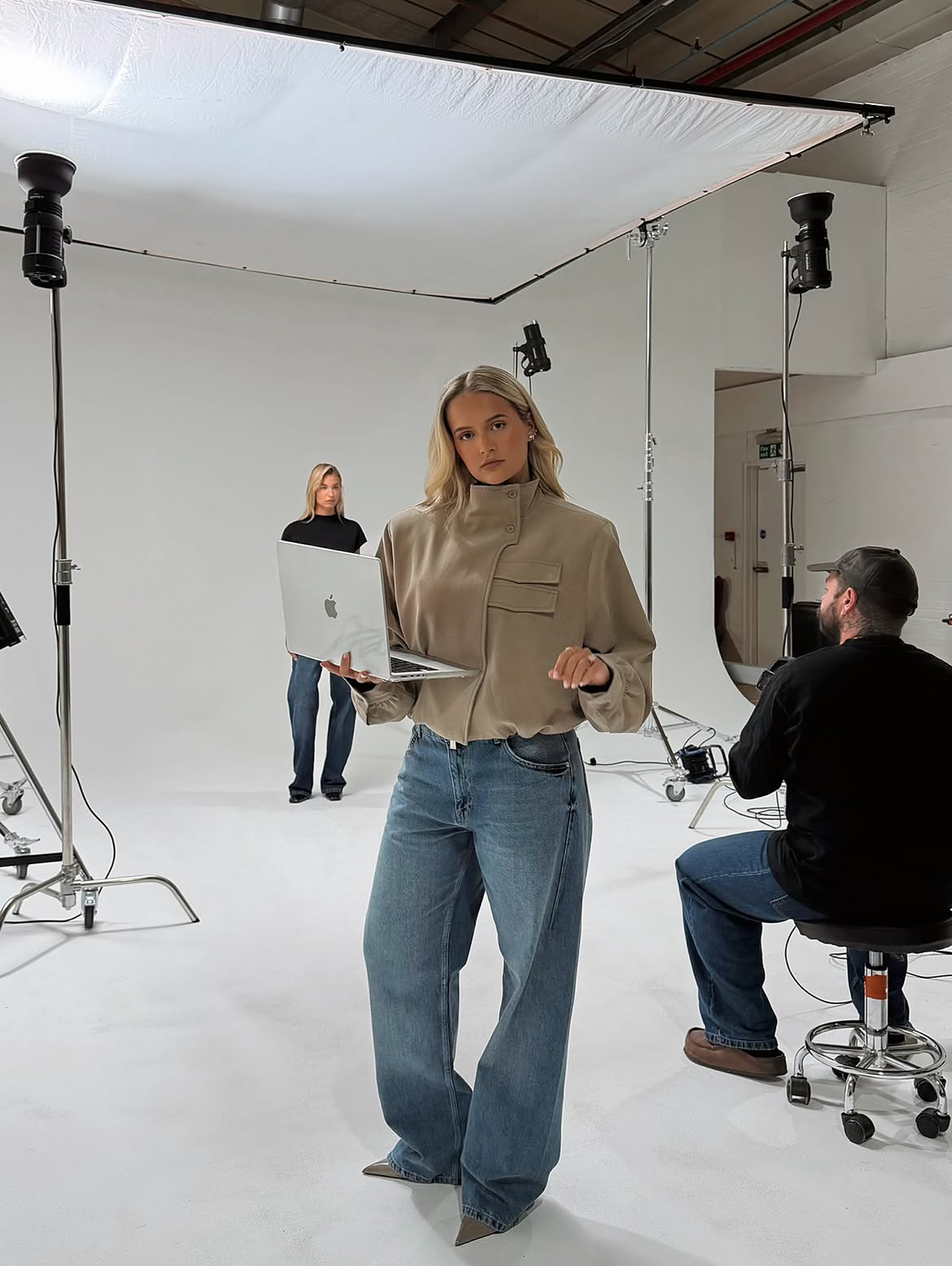
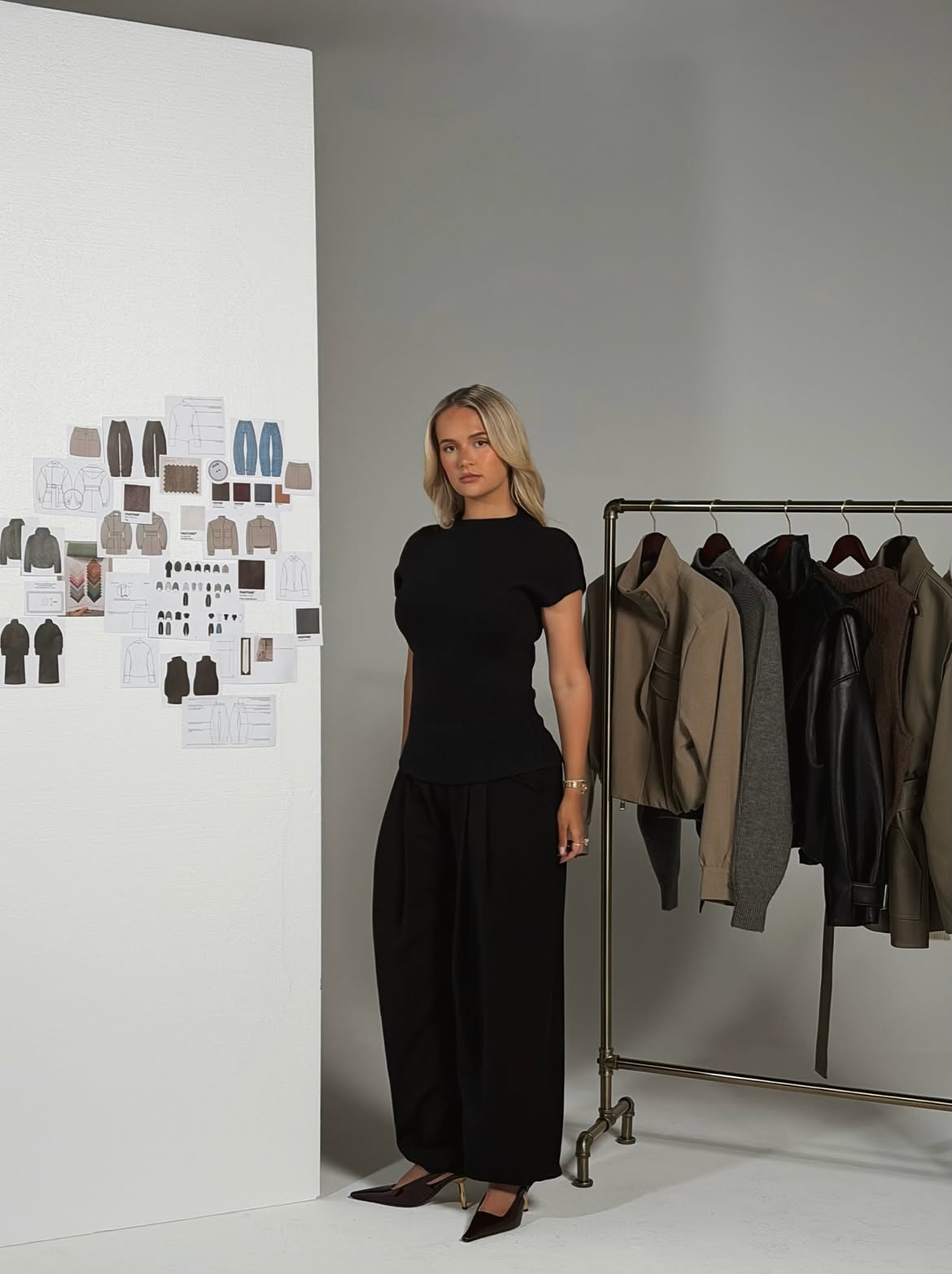
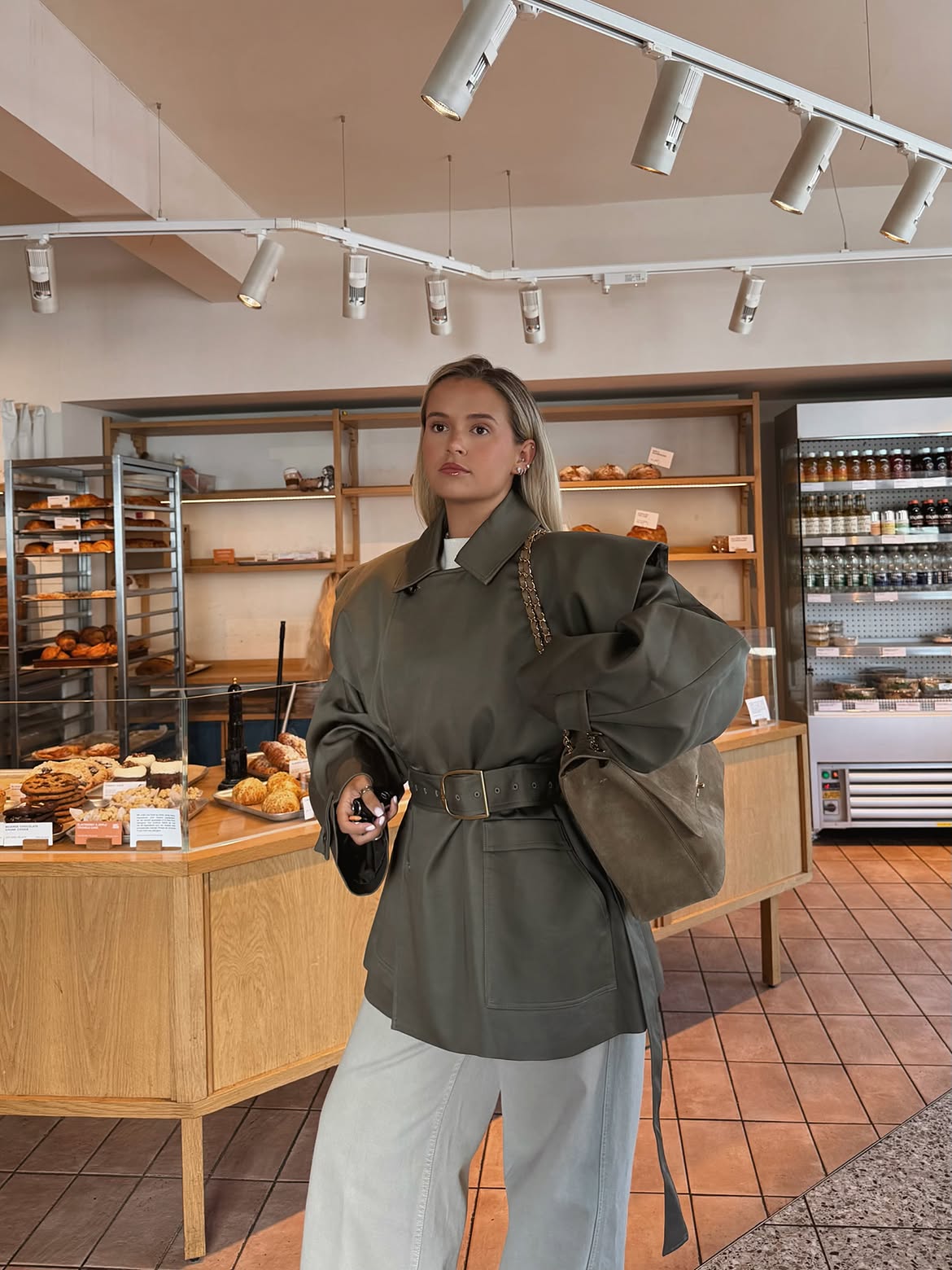
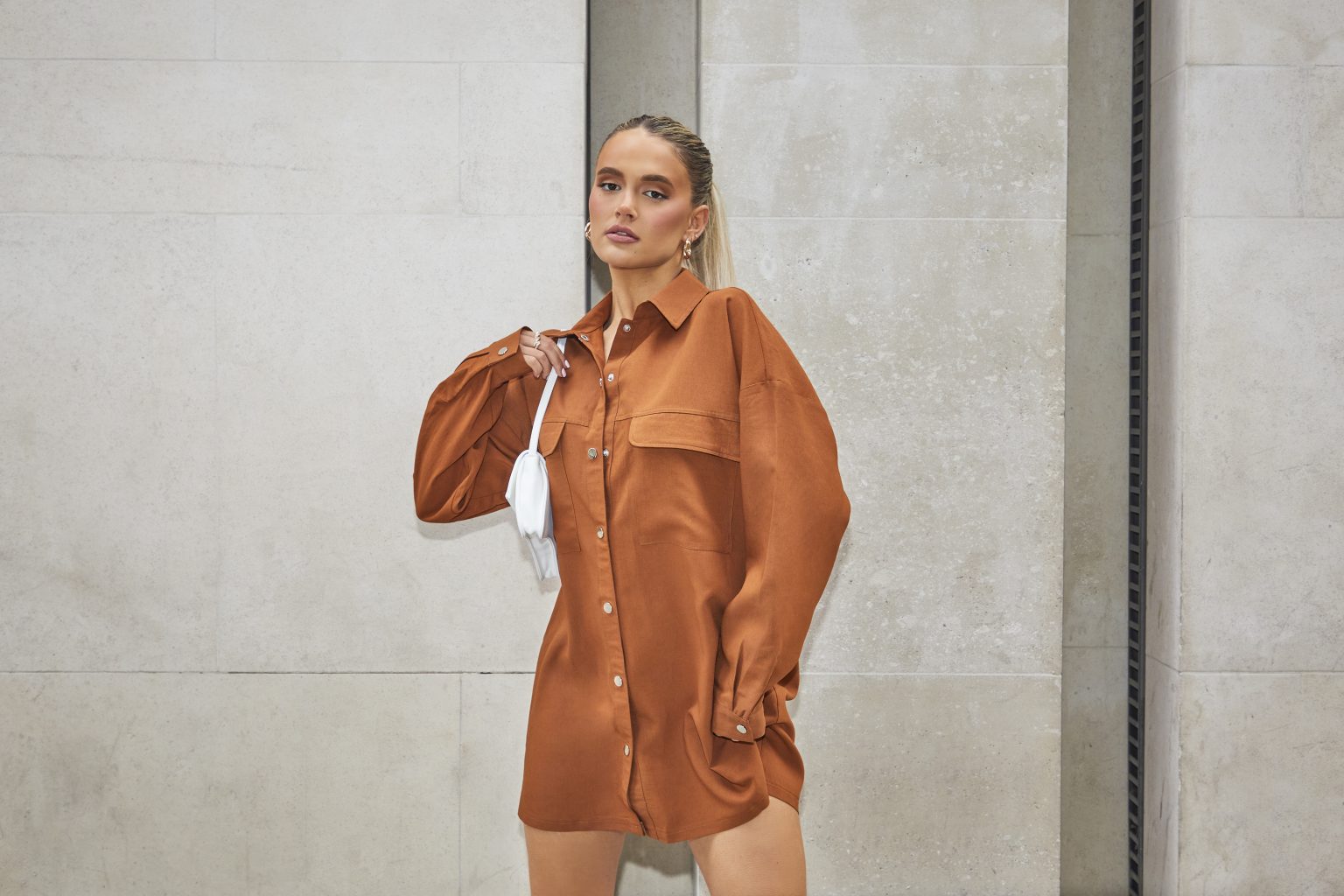
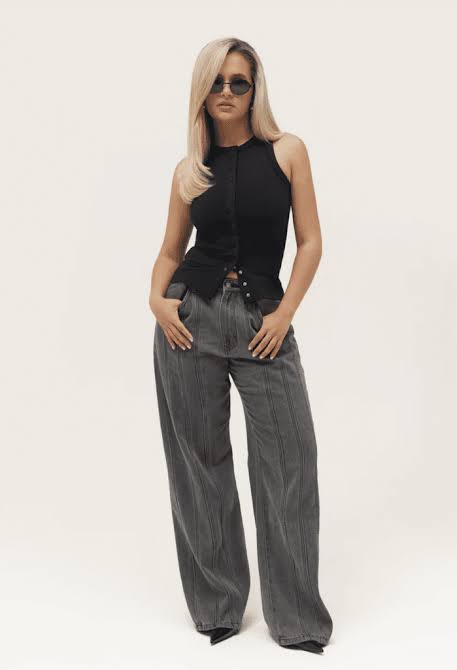
She first built major visibility through her work with PrettyLittleThing, eventually becoming the company’s UK and European creative director. She also launched Filter by Molly-Mae, a beauty brand, before taking an even bigger step with Maebe, her independent fashion label. Maebe’s first collection sold out within minutes of its 2024 launch, and the company has continued expanding with new collections and physical experiences. In 2026, Maebe also celebrated Hague being named to the Forbes 30 Under 30 Europe list.
What makes Molly-Mae’s story particularly interesting is the shift from promoting other people’s products to owning the products, brand, and business herself. Love Island gave her the audience, but building Maebe required her to turn that audience into a consumer community. Her journey is therefore a strong example of reality TV functioning as a genuine business launchpad.
2. Olandria Carthen | Love Island USA
Olandria Carthen is one of the newer names on this list, but her post-Love Island trajectory has already moved beyond conventional reality-TV influencer work. After appearing on Love Island USA Season 7, she quickly established a presence within the fashion industry, including walking in Sergio Hudson’s Spring 2026 show during New York Fashion Week.
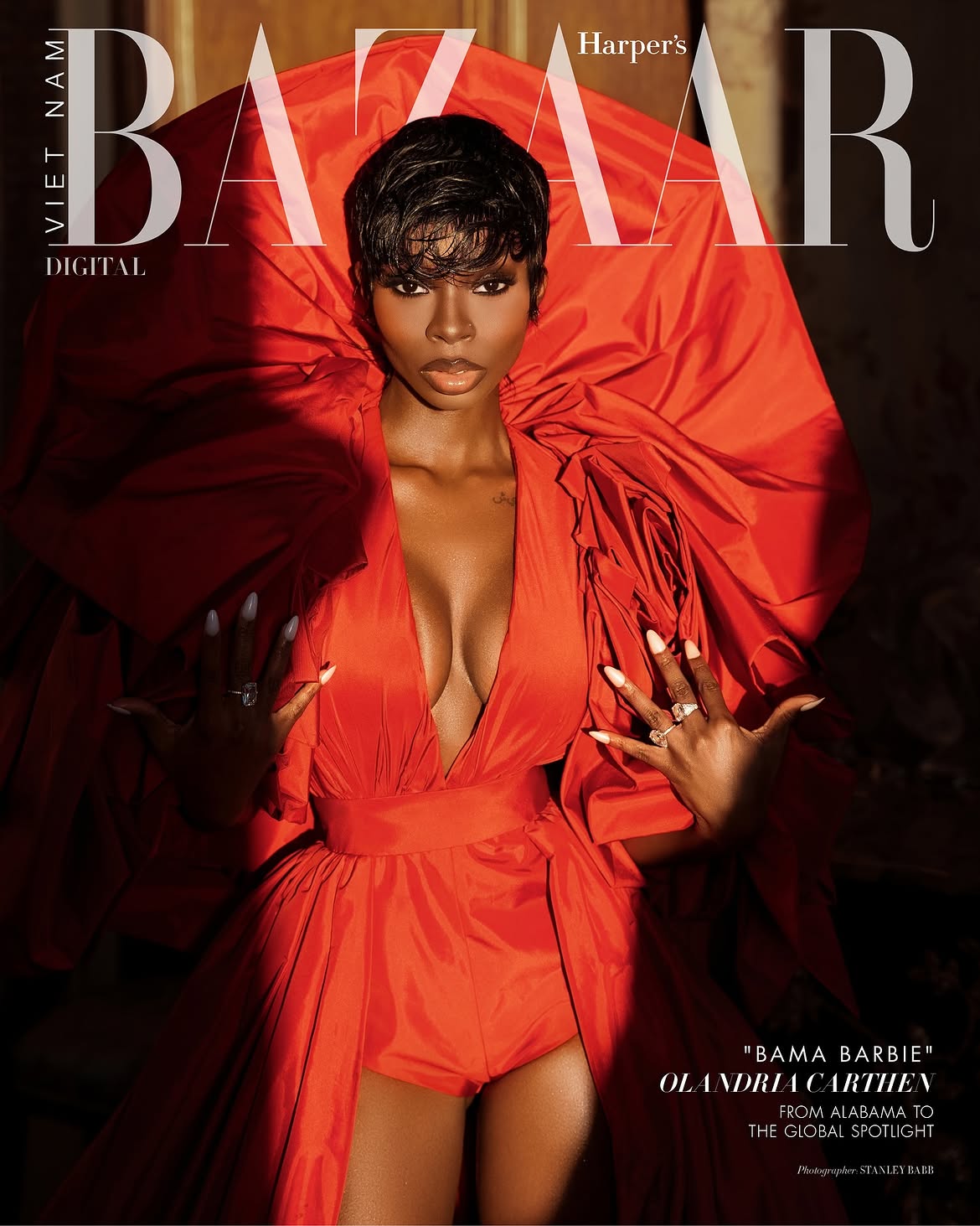
Her fashion momentum has continued through collaborations and editorial work. Models.com currently lists Olandria’s work with MAC Cosmetics, Brandon Blackwood, and Sergio Hudson, alongside magazine appearances including Rolling Stone Africa, Glamour, and Harper’s Bazaar Vietnam. She also became the face of Brandon Blackwood’s 2026 collection, following her appearance in a custom Brandon Blackwood look at the 2025 CFDA Awards.
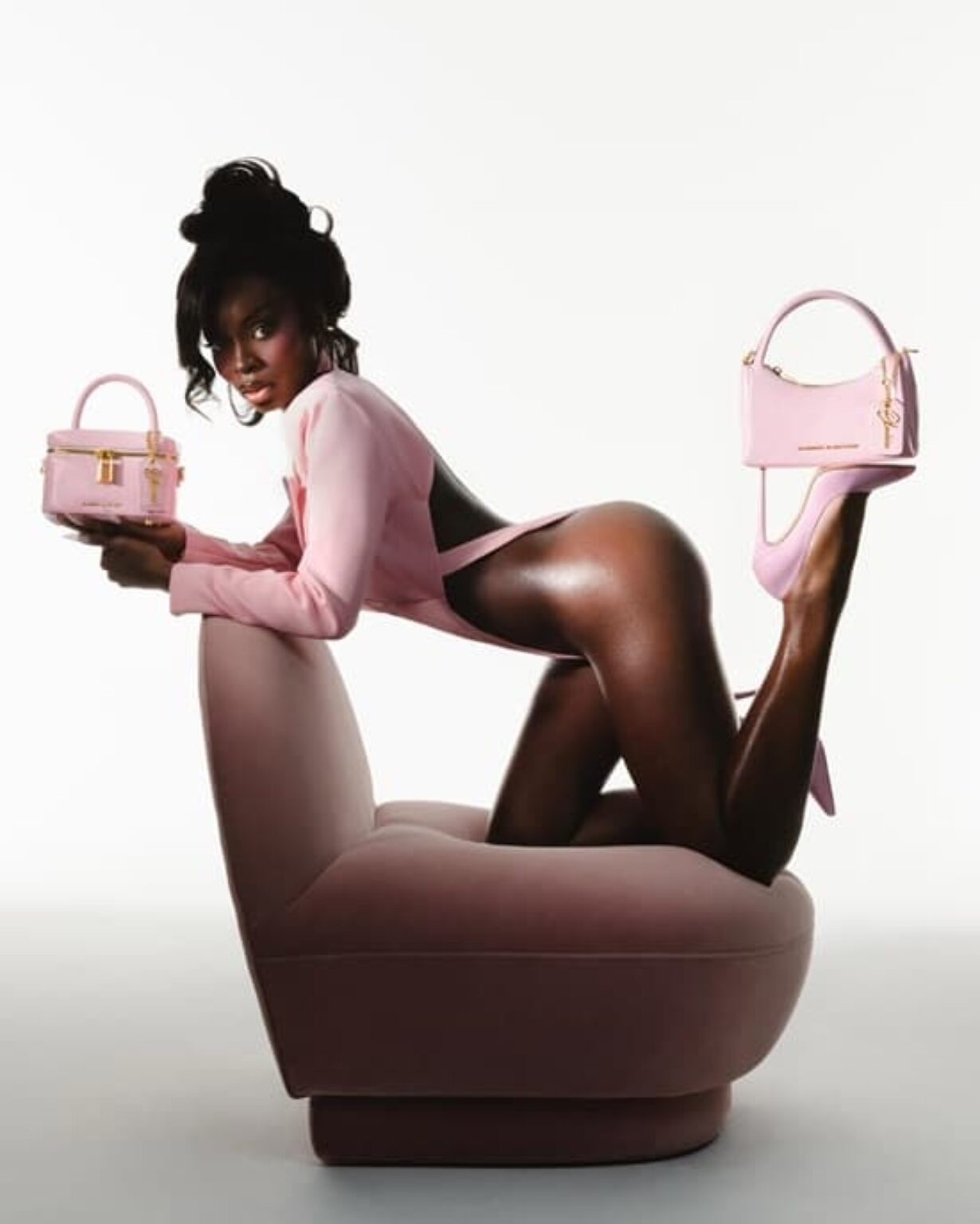
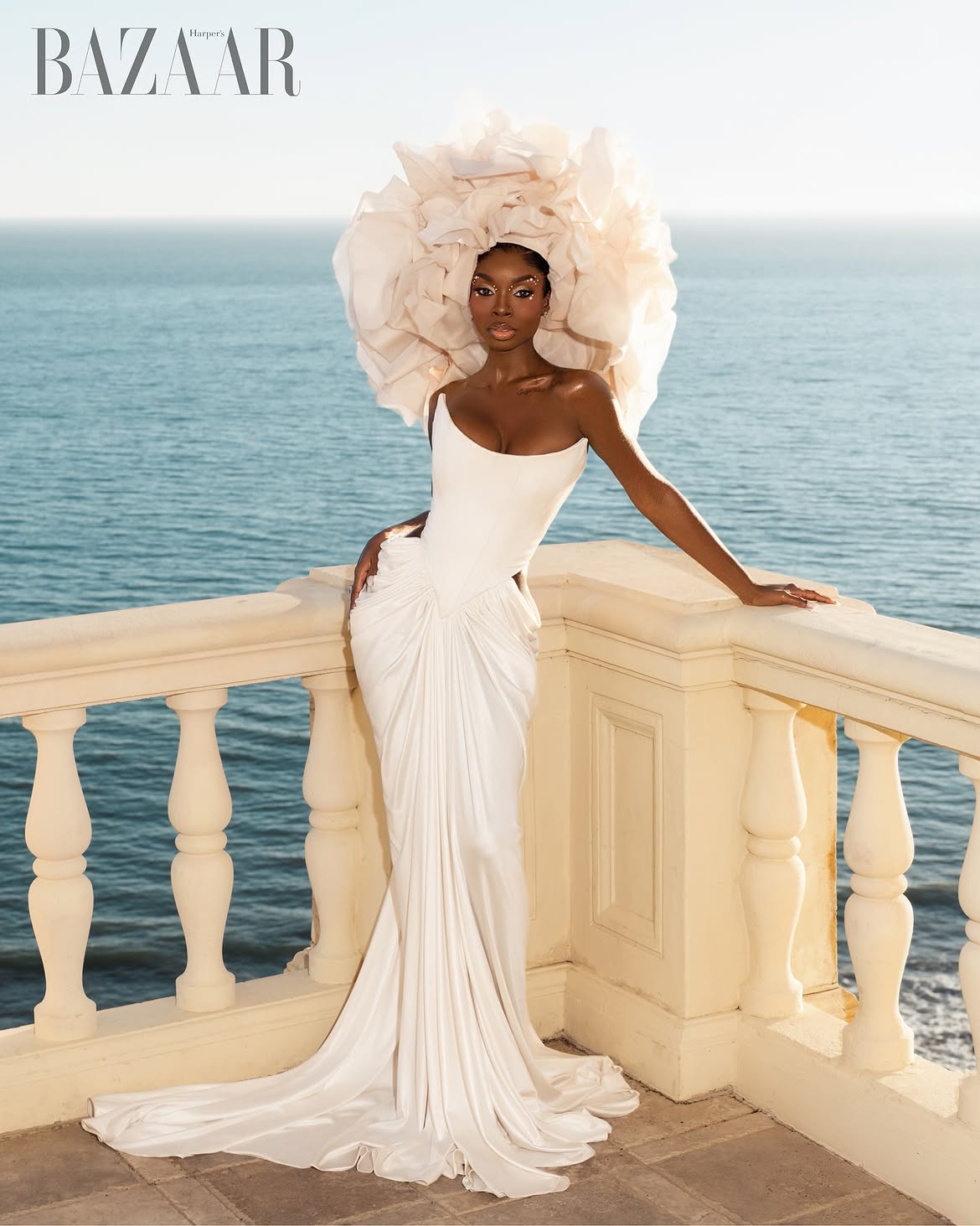
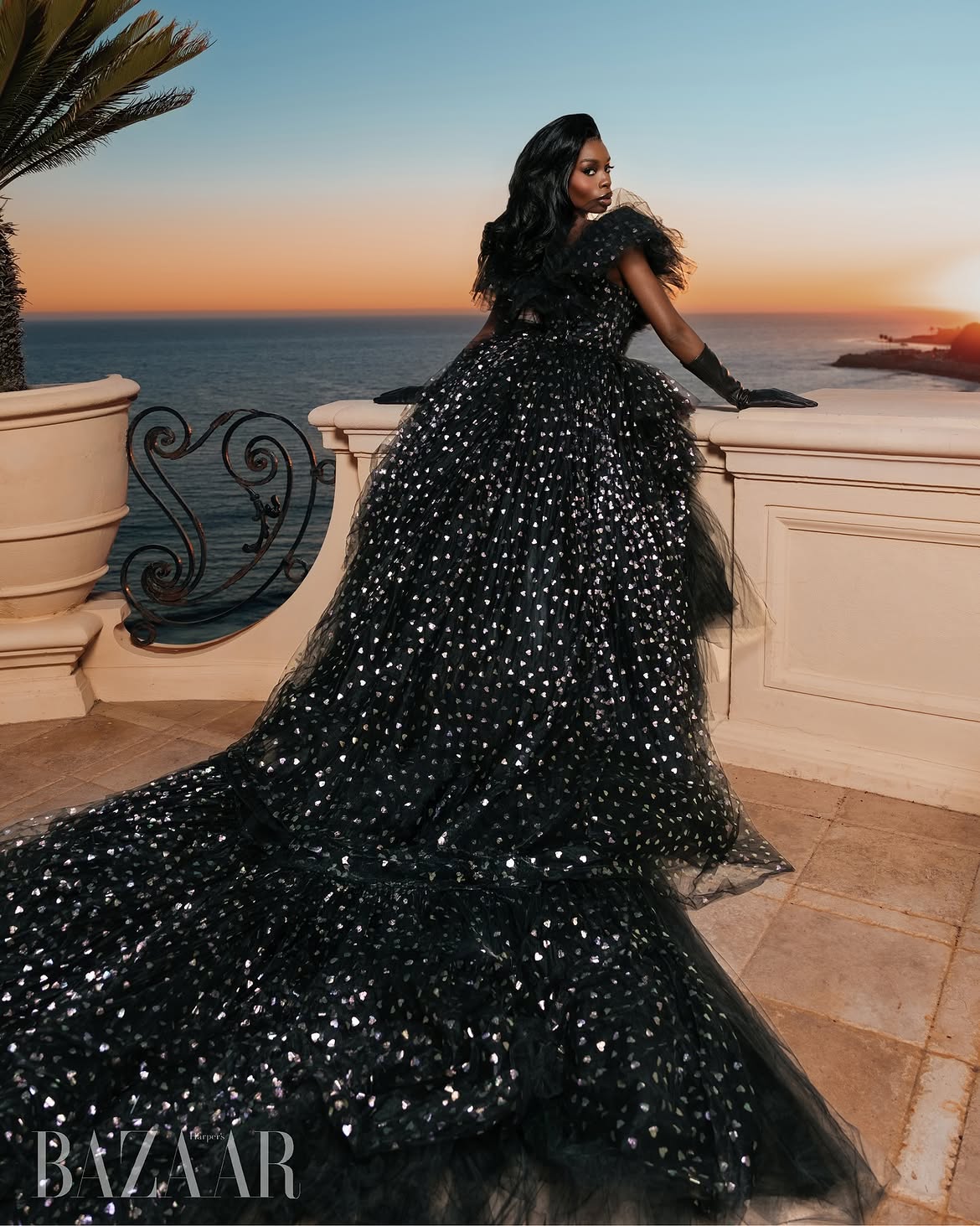
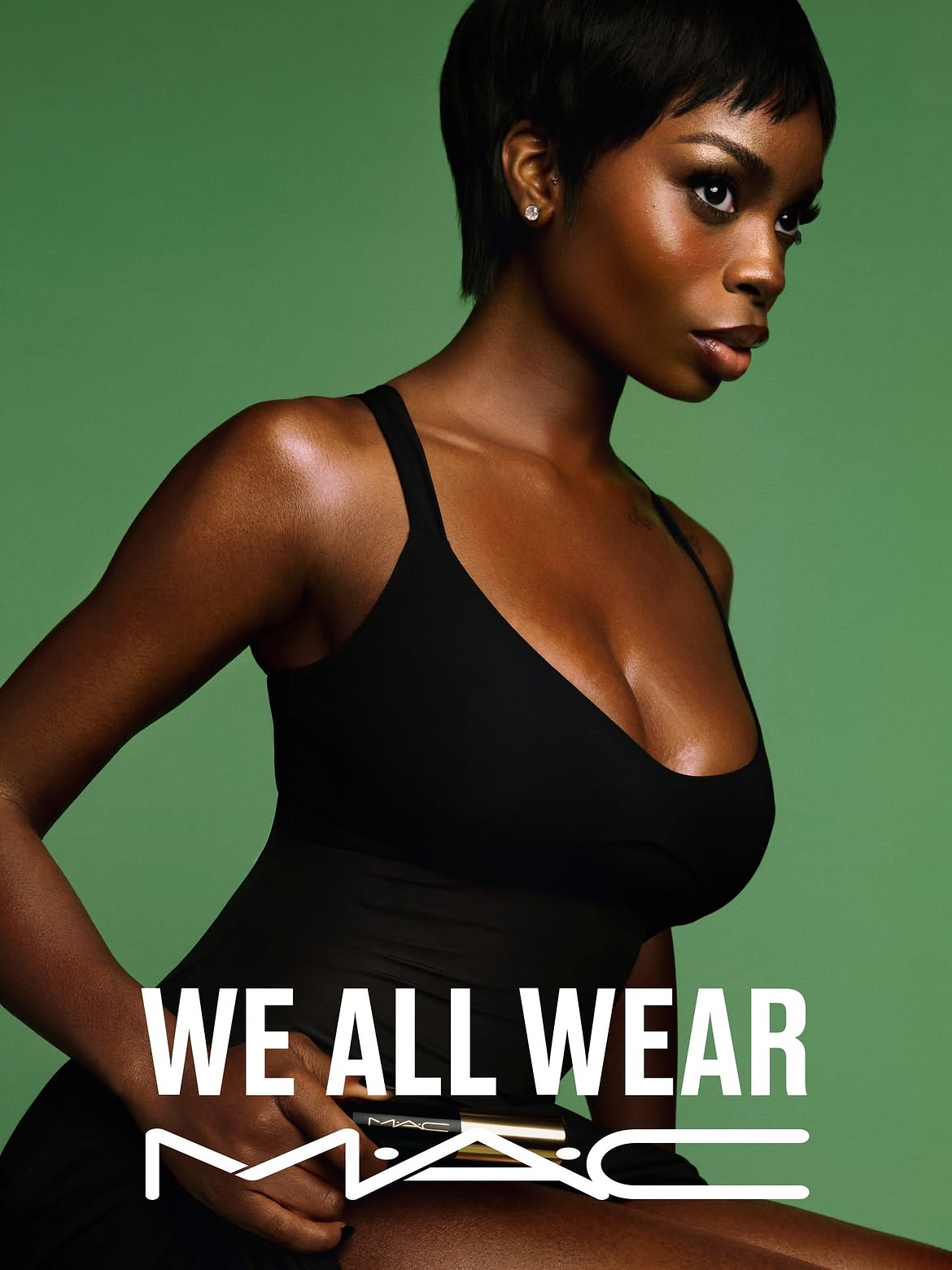
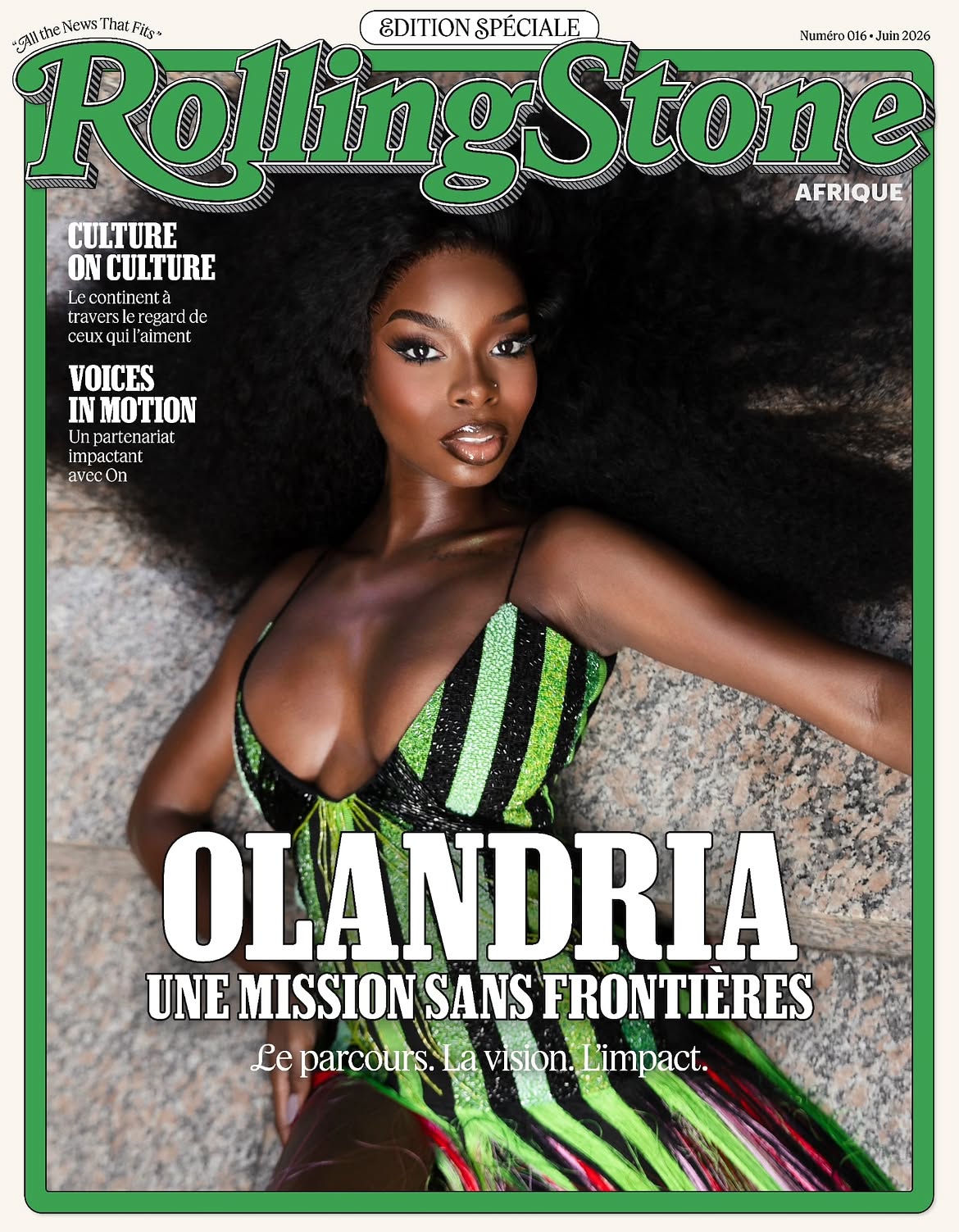
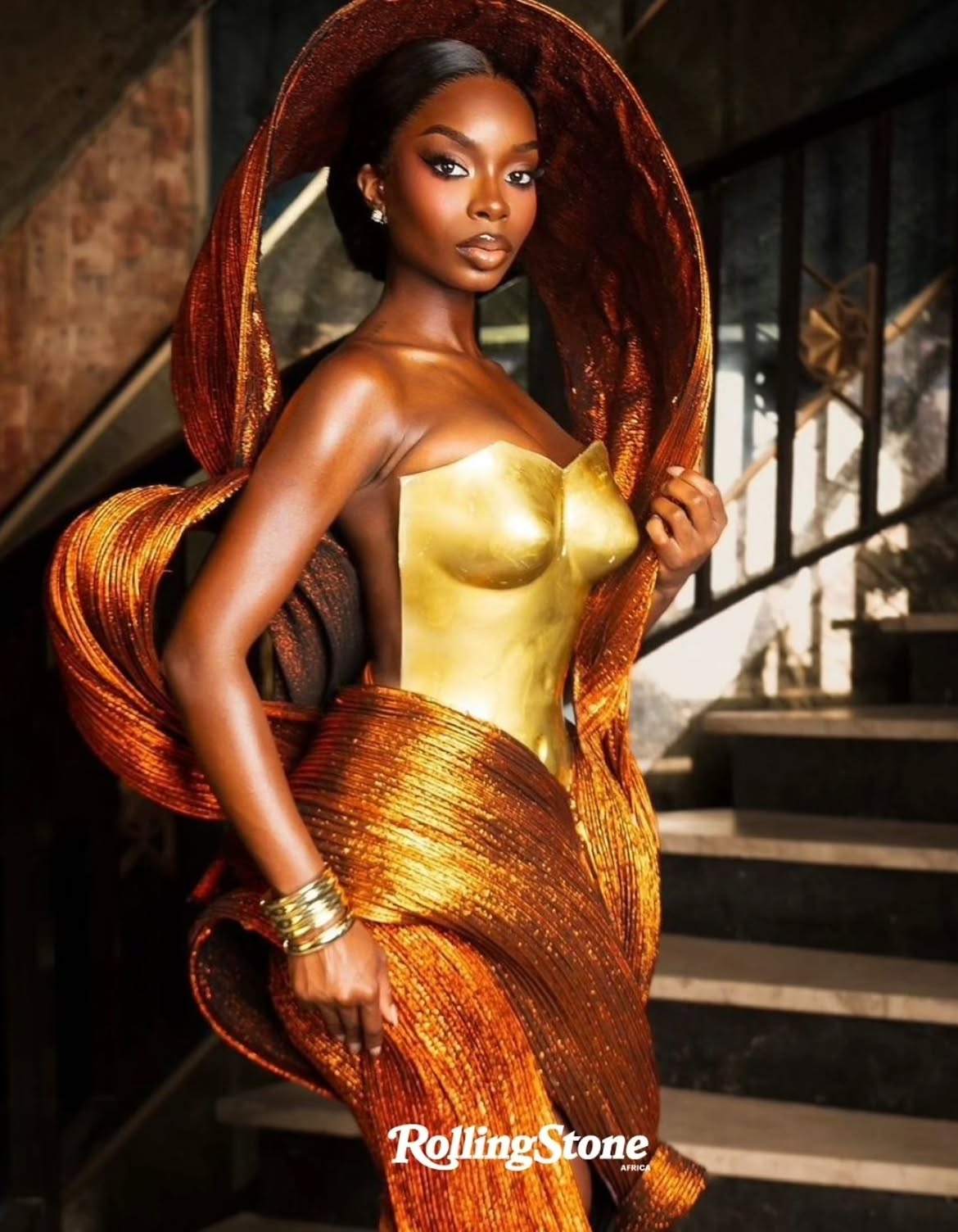
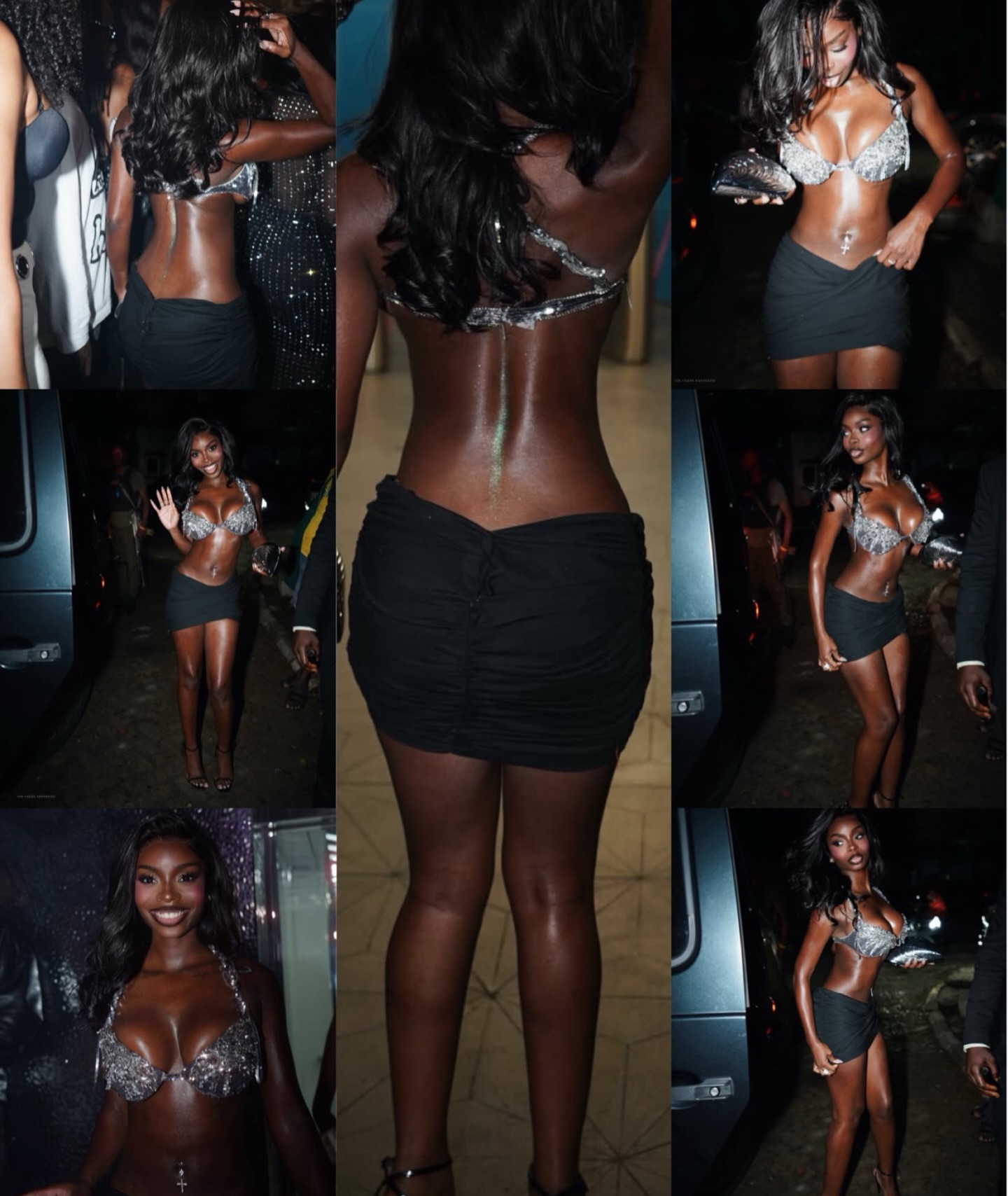
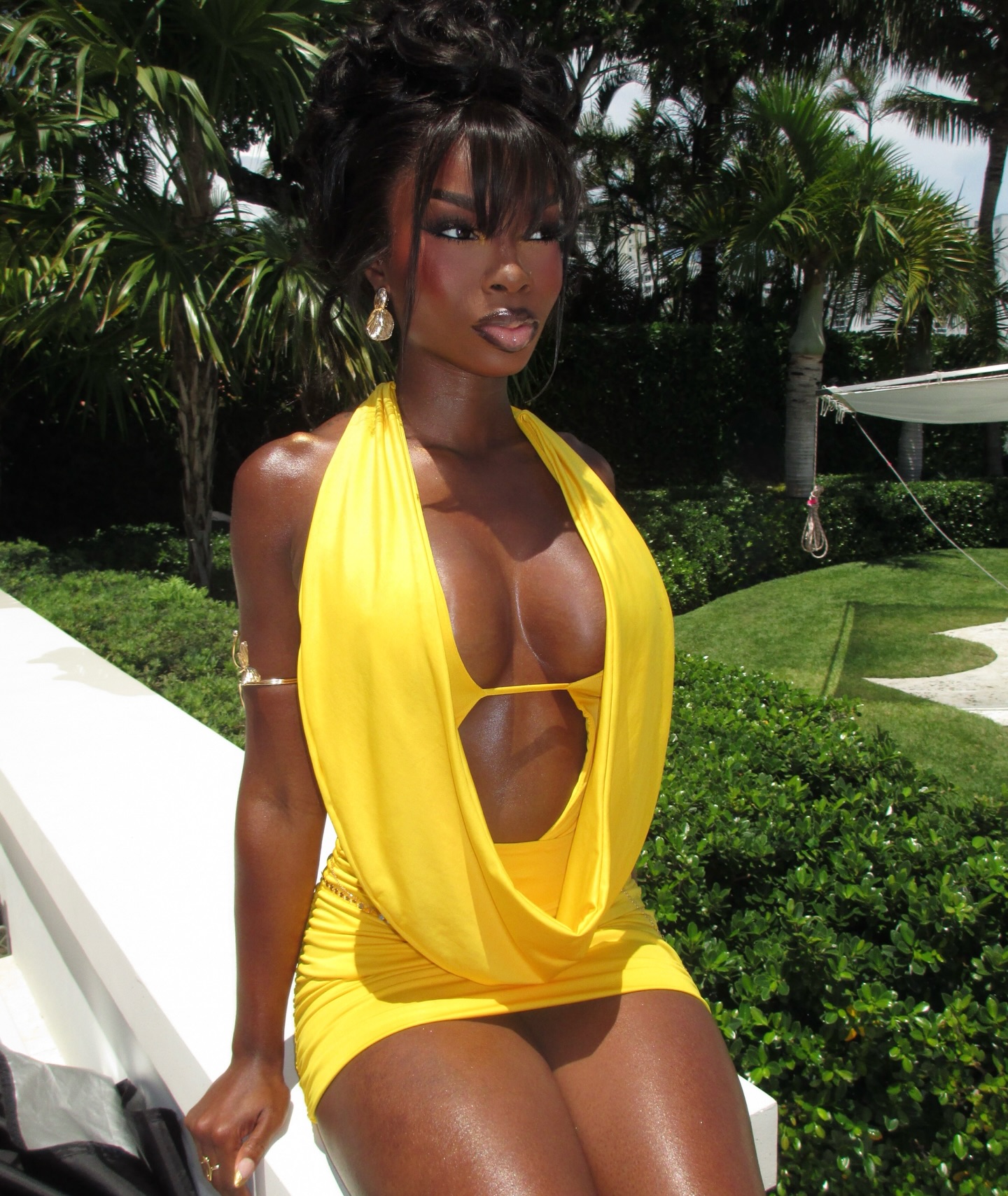
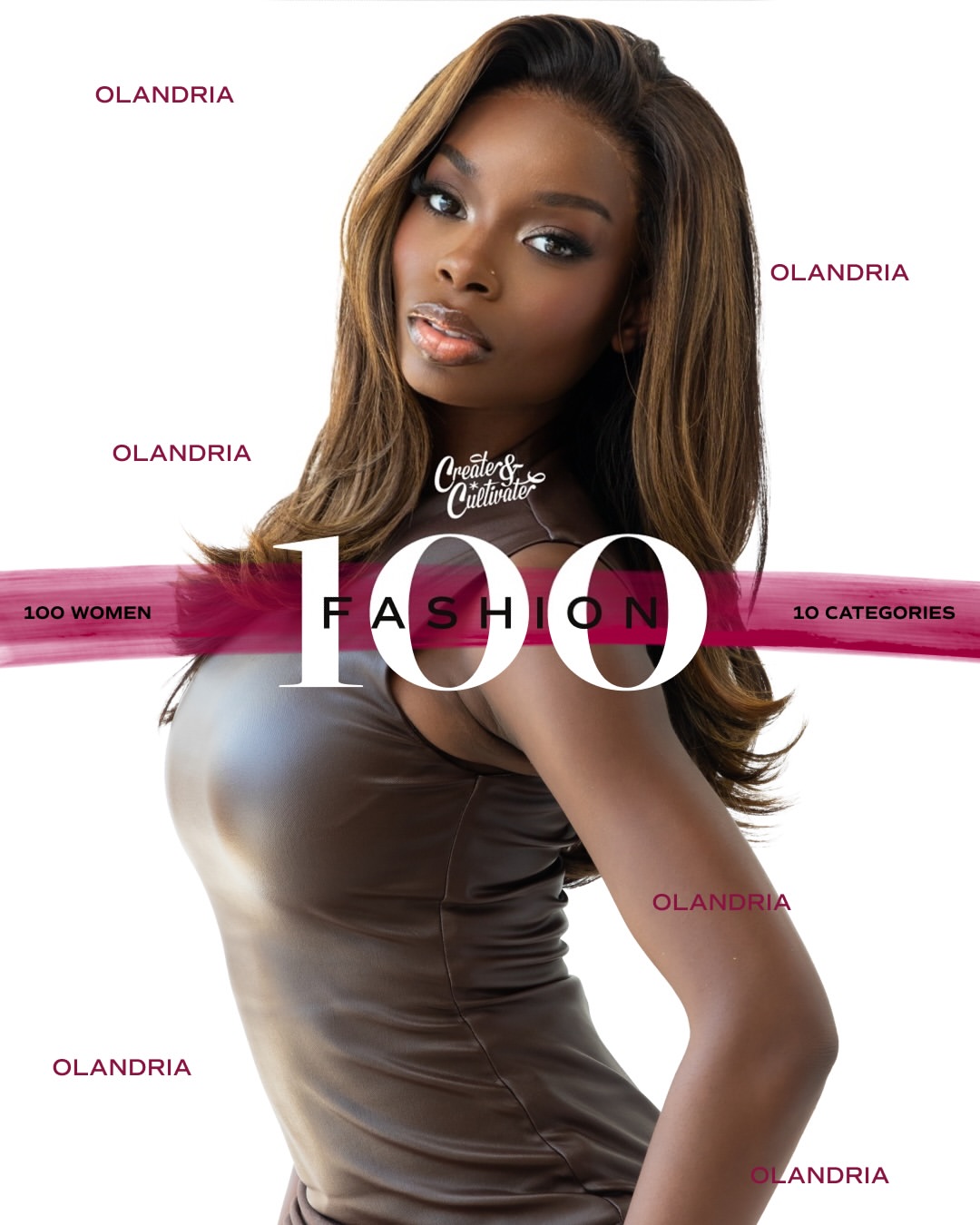
Olandria’s story is still developing, which is part of what makes it interesting. Rather than simply extending her reality-TV fame through sponsored content, she has begun moving into fashion, modeling, and brand collaborations. The villa may have introduced her to a huge audience, but fashion is increasingly becoming the space in which she is building her identity beyond the show.
3. Chioma Ikokwu | The Real Housewives of Lagos
Chioma Ikokwu represents the other side of the reality-TV equation. By the time she joined The Real Housewives of Lagos, she was already an entrepreneur with an established career and businesses of her own.
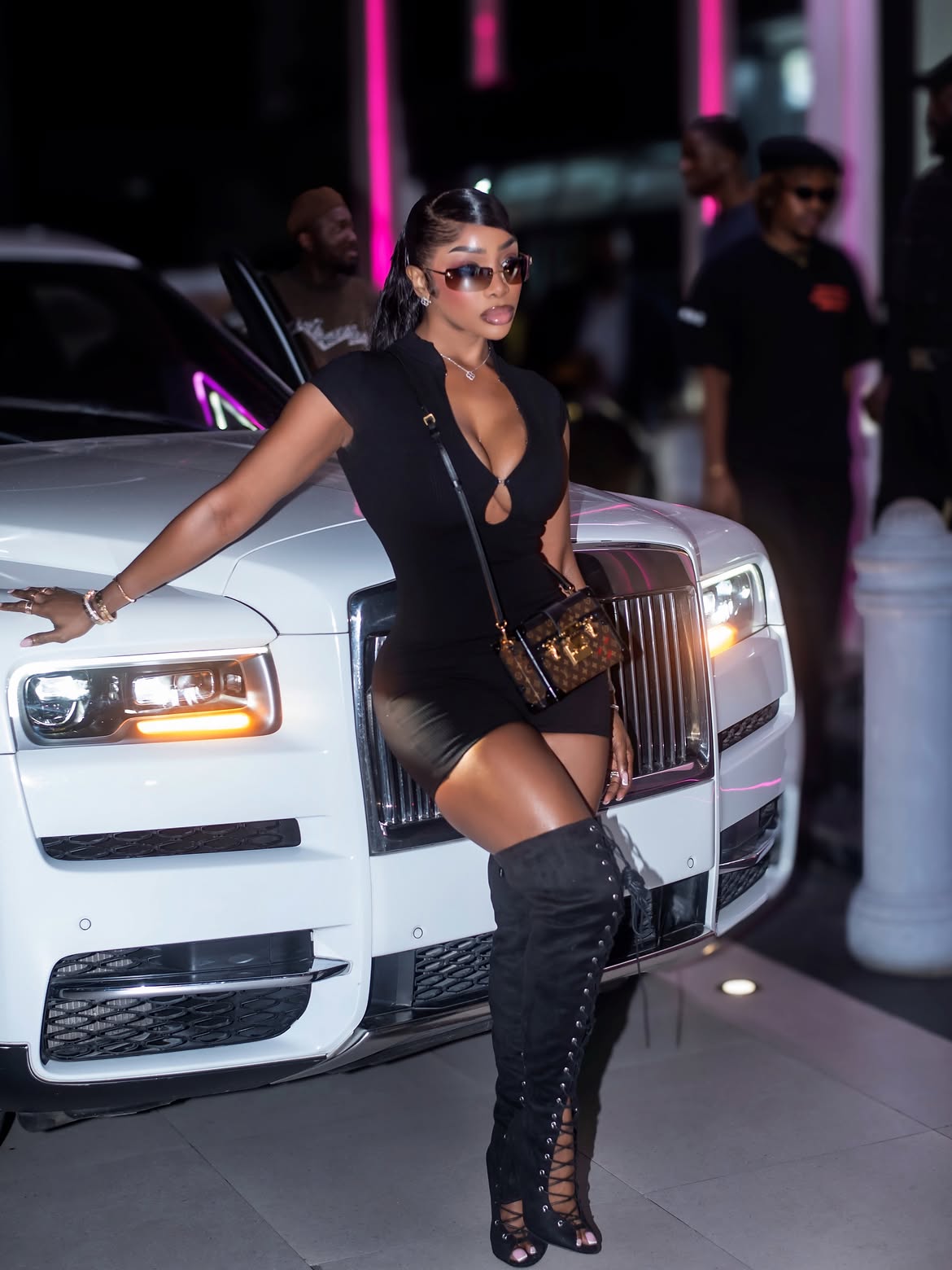
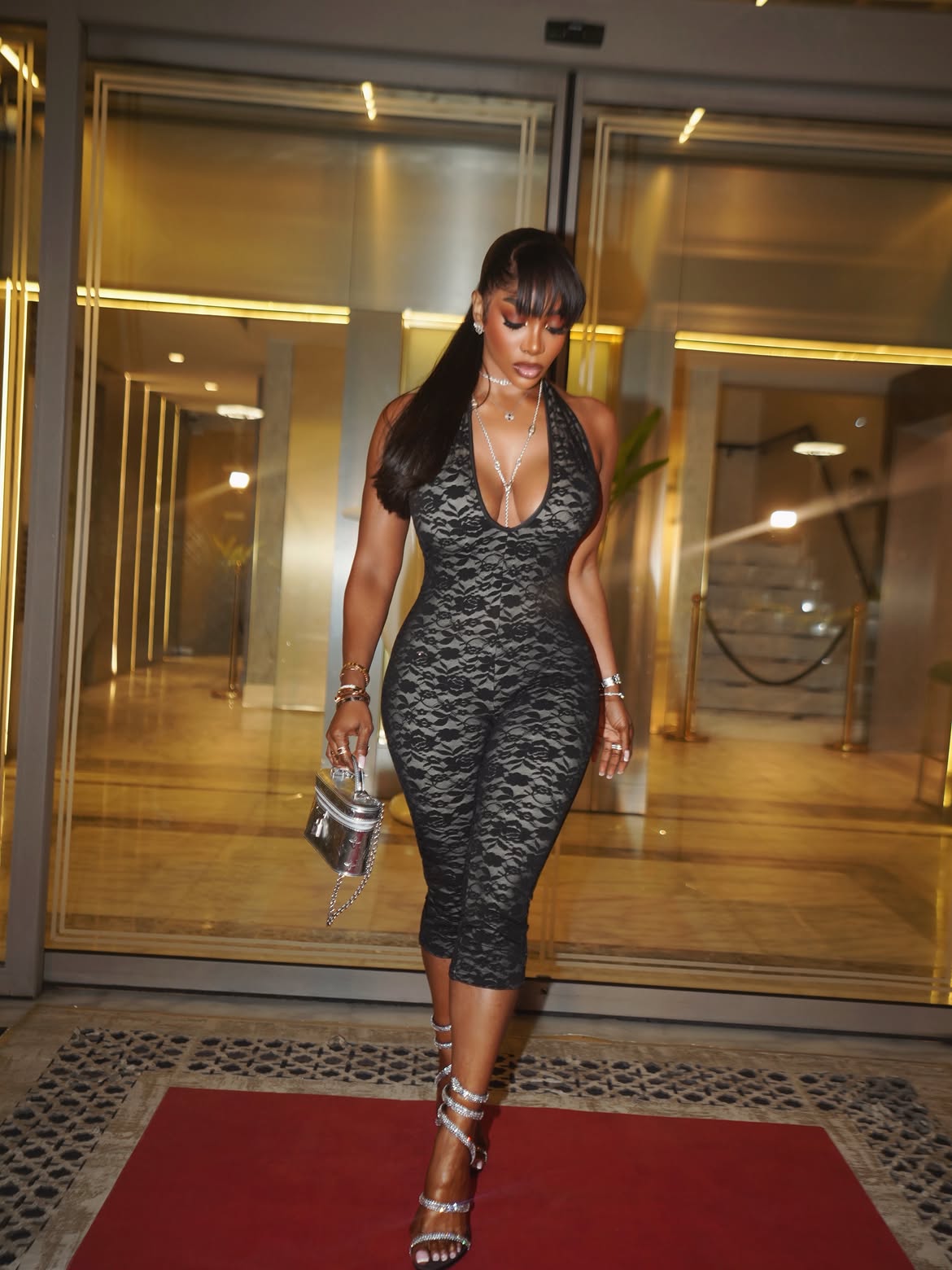
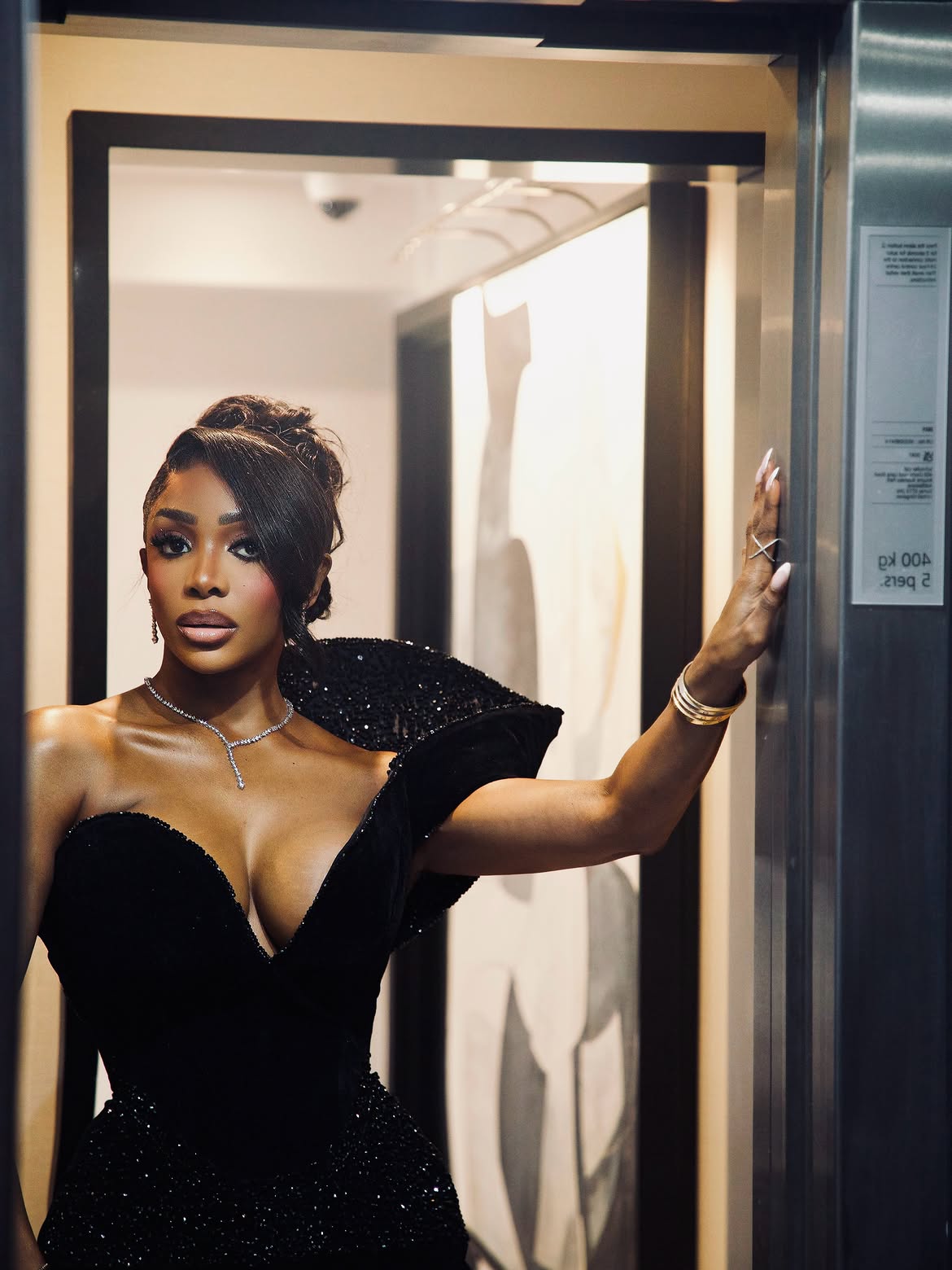
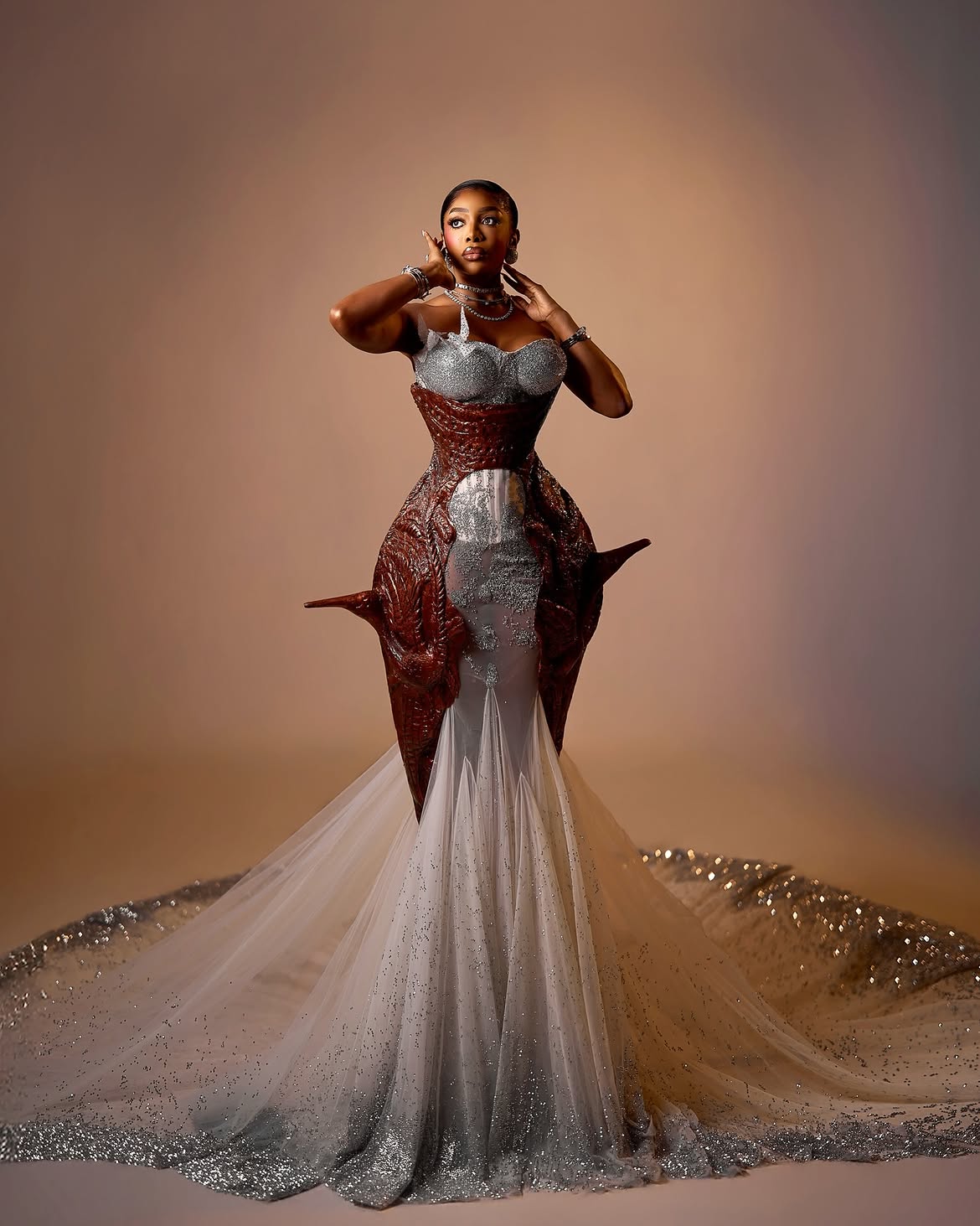
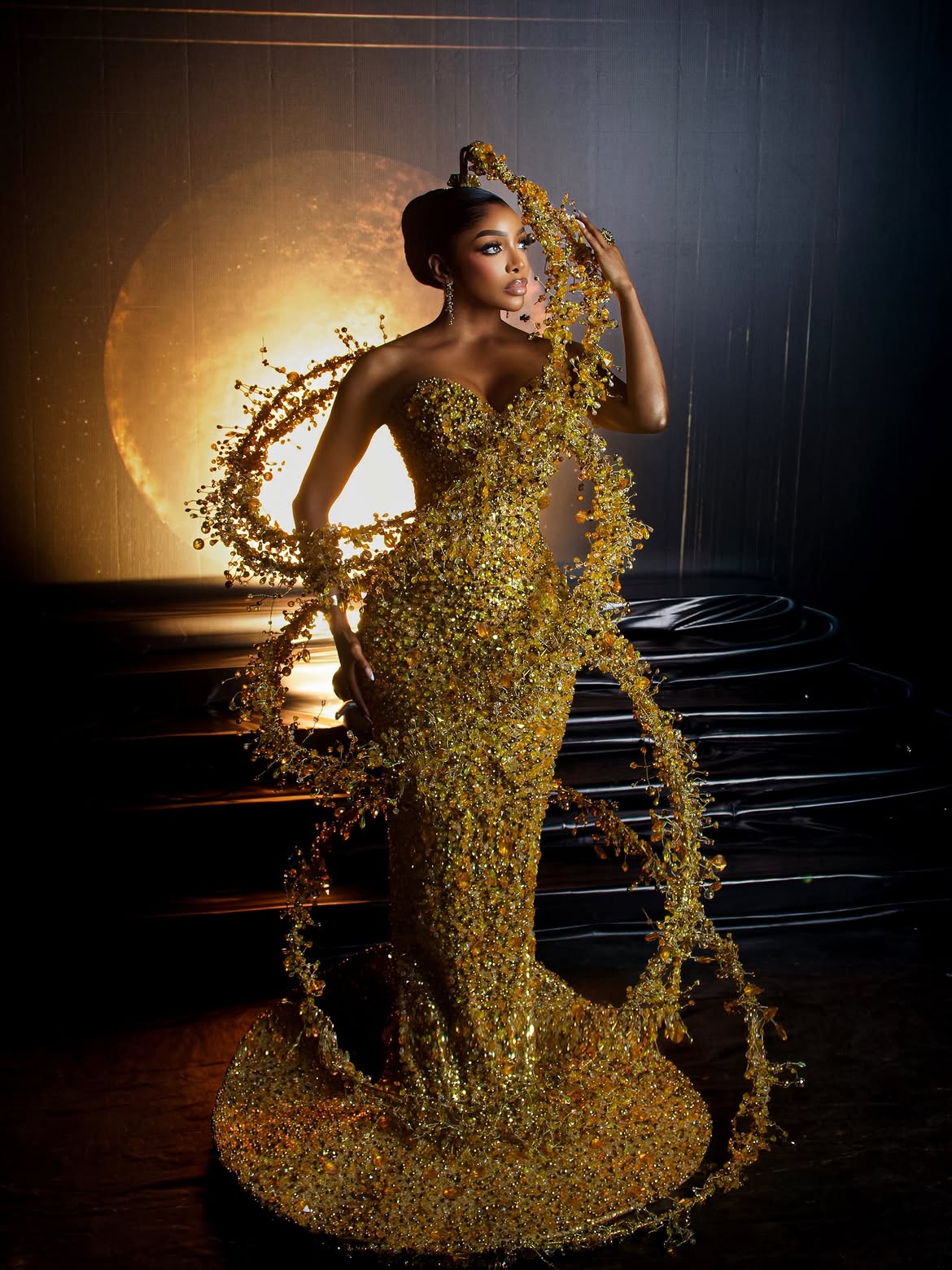
She is known for Good Hair Limited, the beauty business she co-founded with Kika Osunde, and later expanded her entrepreneurial portfolio through Brass & Copper, the Good Hair Space, and other lifestyle ventures. In an interview with BusinessDay, Chioma described Good Hair as her first major business venture and explained how the experience shaped her approach to entrepreneurship.
Her work also extends beyond business. Through the Goodway Foundation, Chioma has worked on sickle-cell awareness and broader community issues, including healthcare, education, and support for vulnerable groups. RHOLagos therefore did not create her career. Instead, it gave a wider audience access to an entrepreneur, lawyer, and philanthropist who had already built a substantial personal brand.
That makes her story especially relevant to UncutXtra’s focus on ambition and access. Sometimes reality TV is not the beginning of the story. It is simply another room in which an established personality gets to introduce herself.
4. Rylan Clark | The X Factor and Celebrity Big Brother
Rylan Clark shows that building something bigger after reality TV does not necessarily mean launching a company. Sometimes, the opportunity is to build an entirely new career.
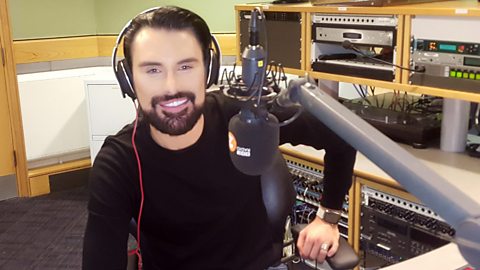
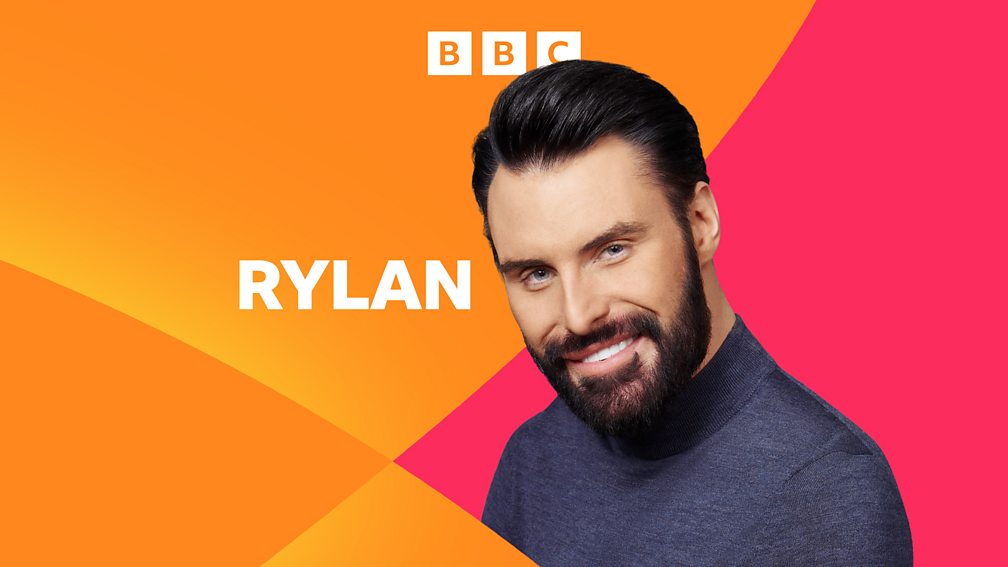
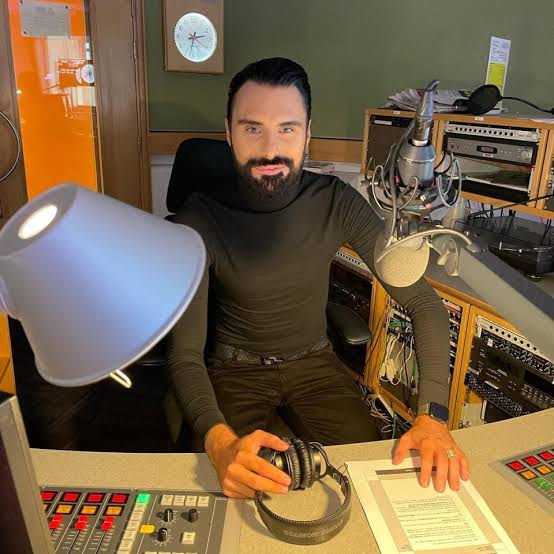
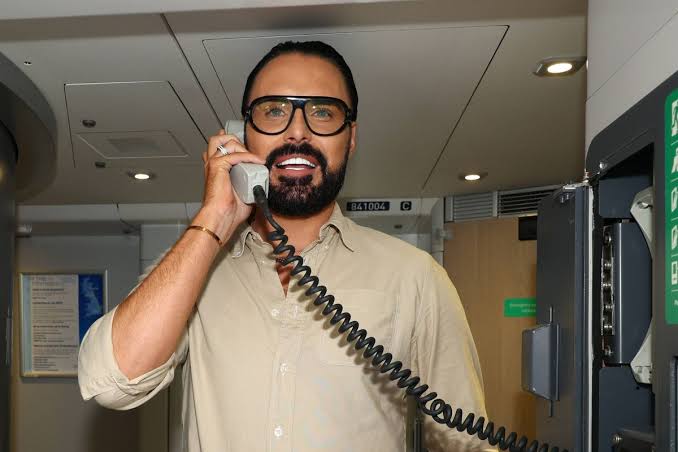
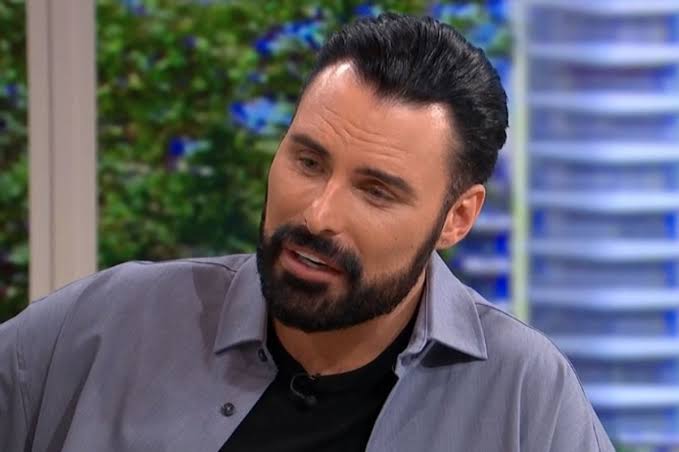
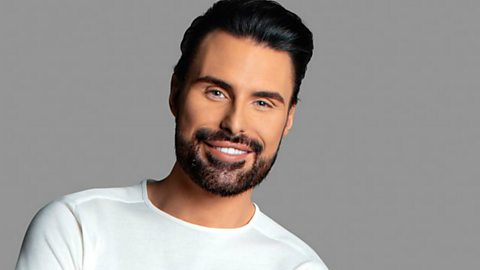
Rylan first became widely known through The X Factor in 2012 before winning Celebrity Big Brother the following year. Rather than remaining tied to reality-TV appearances, he moved into mainstream British broadcasting, eventually building a career across television, radio, and live entertainment.
His work has included This Morning, Eurovision, Strictly: It Takes Two, and BBC Radio 2, where he continues to host Rylan on Saturday. BBC Radio 2’s current programming confirms his continued presence on the station in 2026.
Rylan’s career is a useful reminder that reality TV can be a doorway into industries that have nothing to do with being a contestant. His biggest achievement may not be something he sells. It is the broadcasting career he built after becoming famous on television.
5. Serena Page | Love Island USA
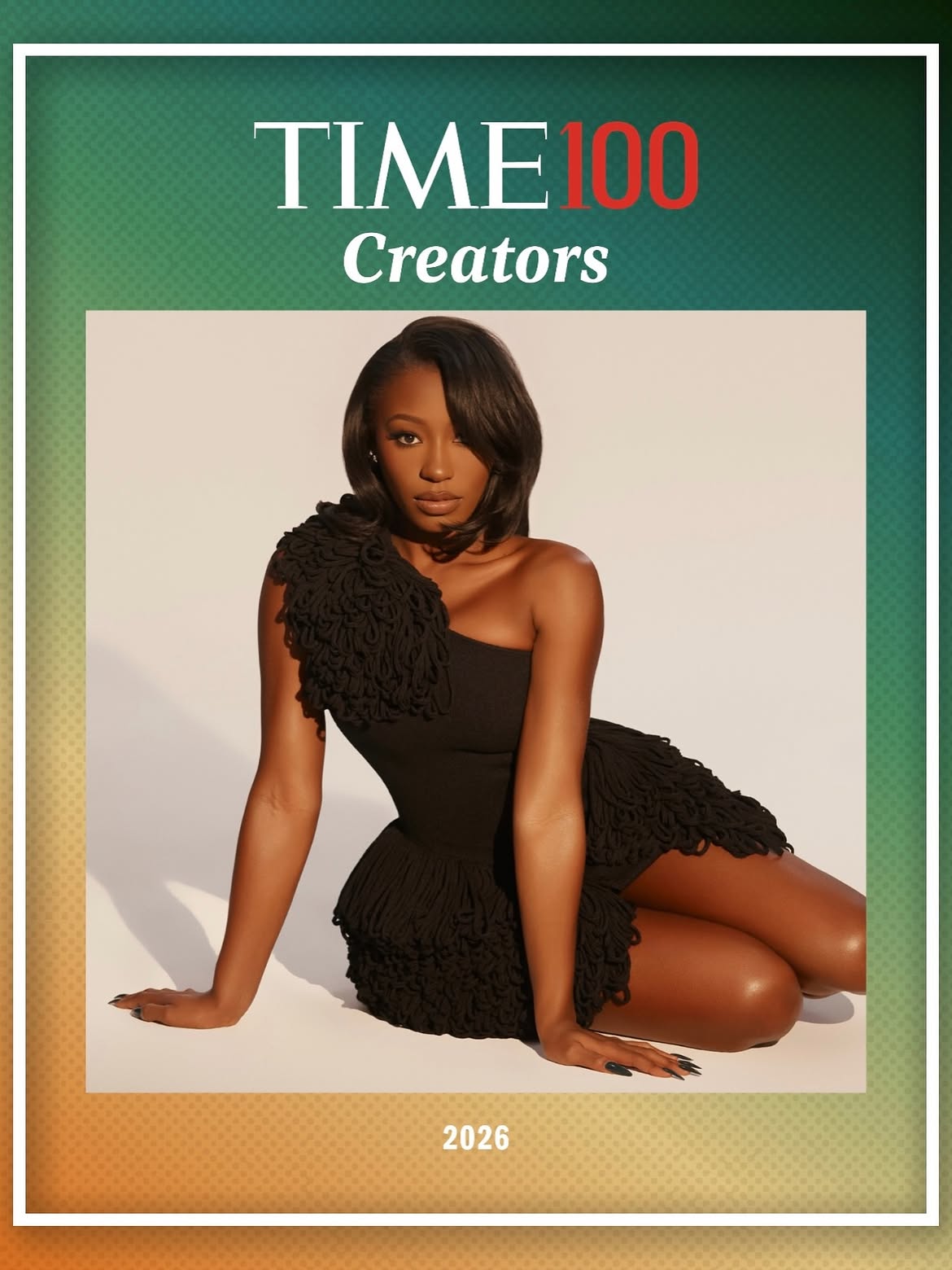
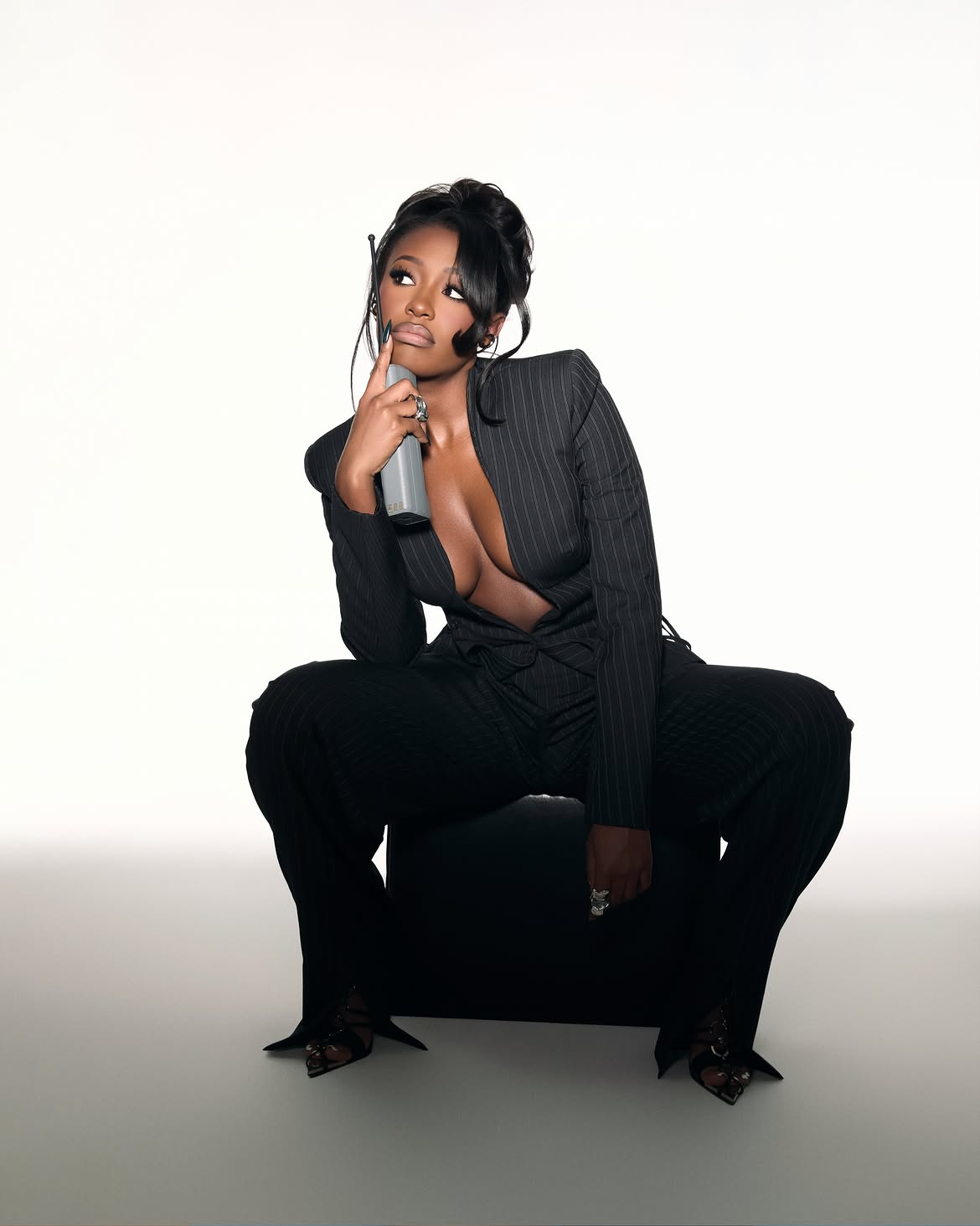
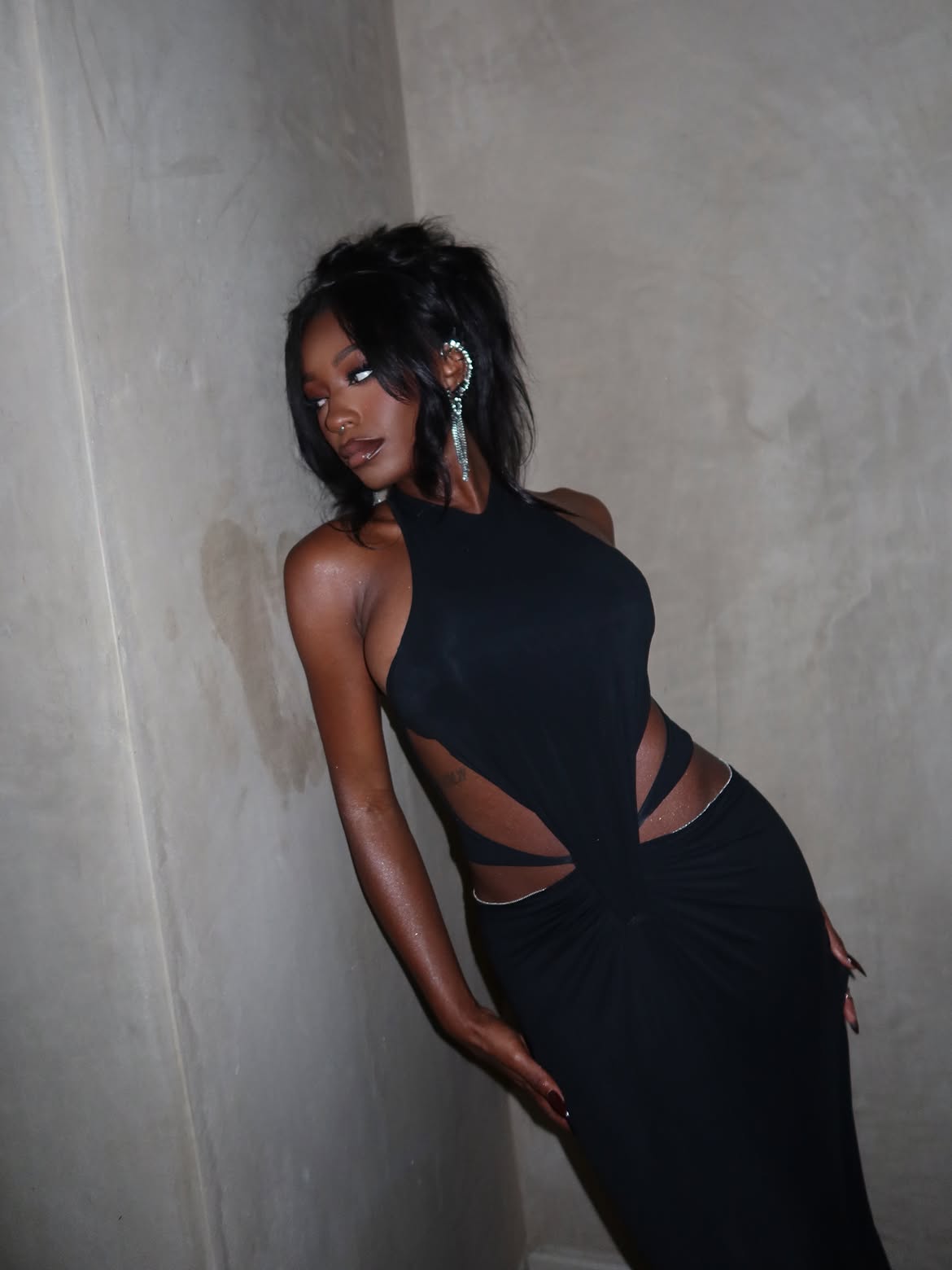
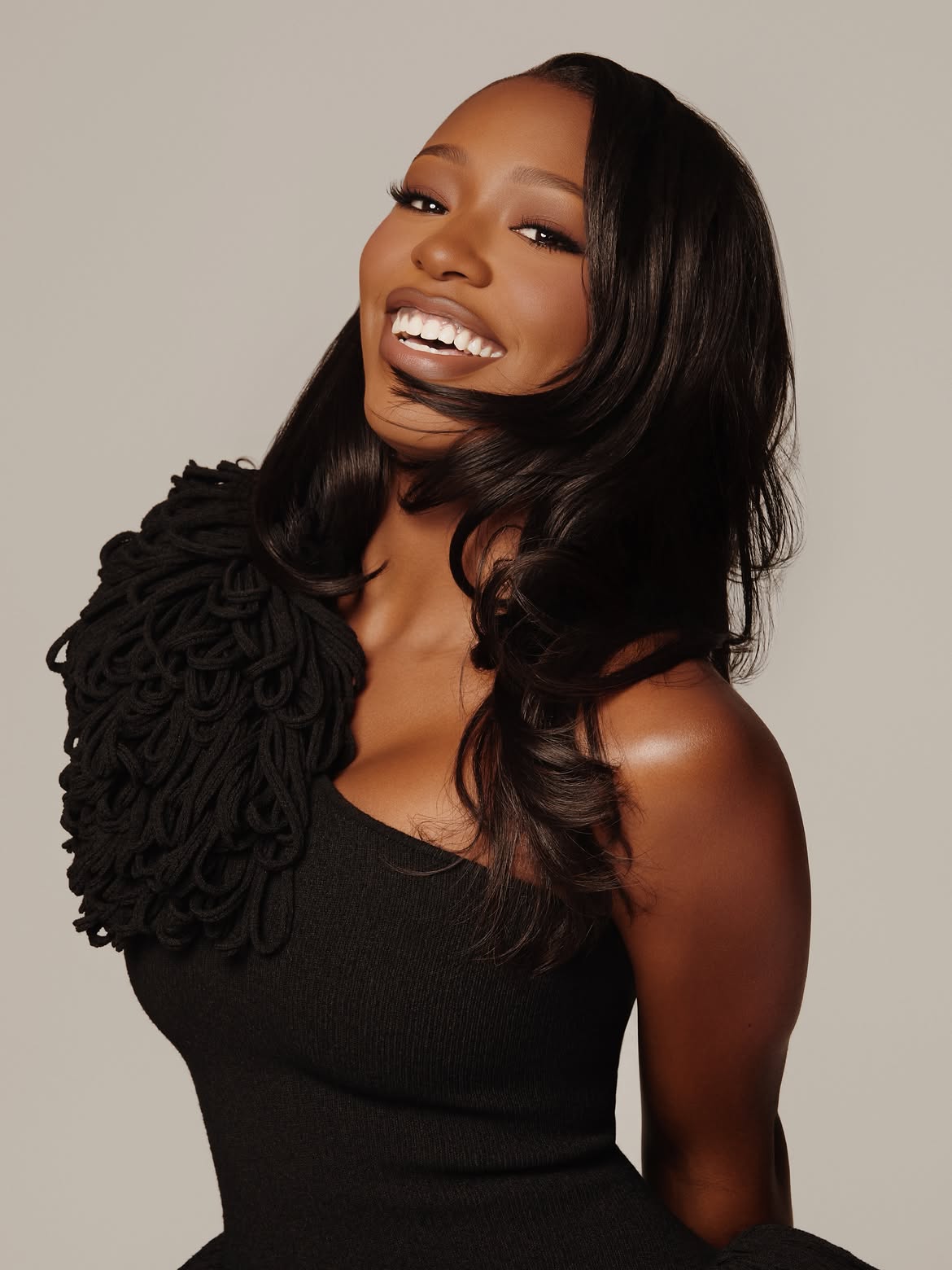
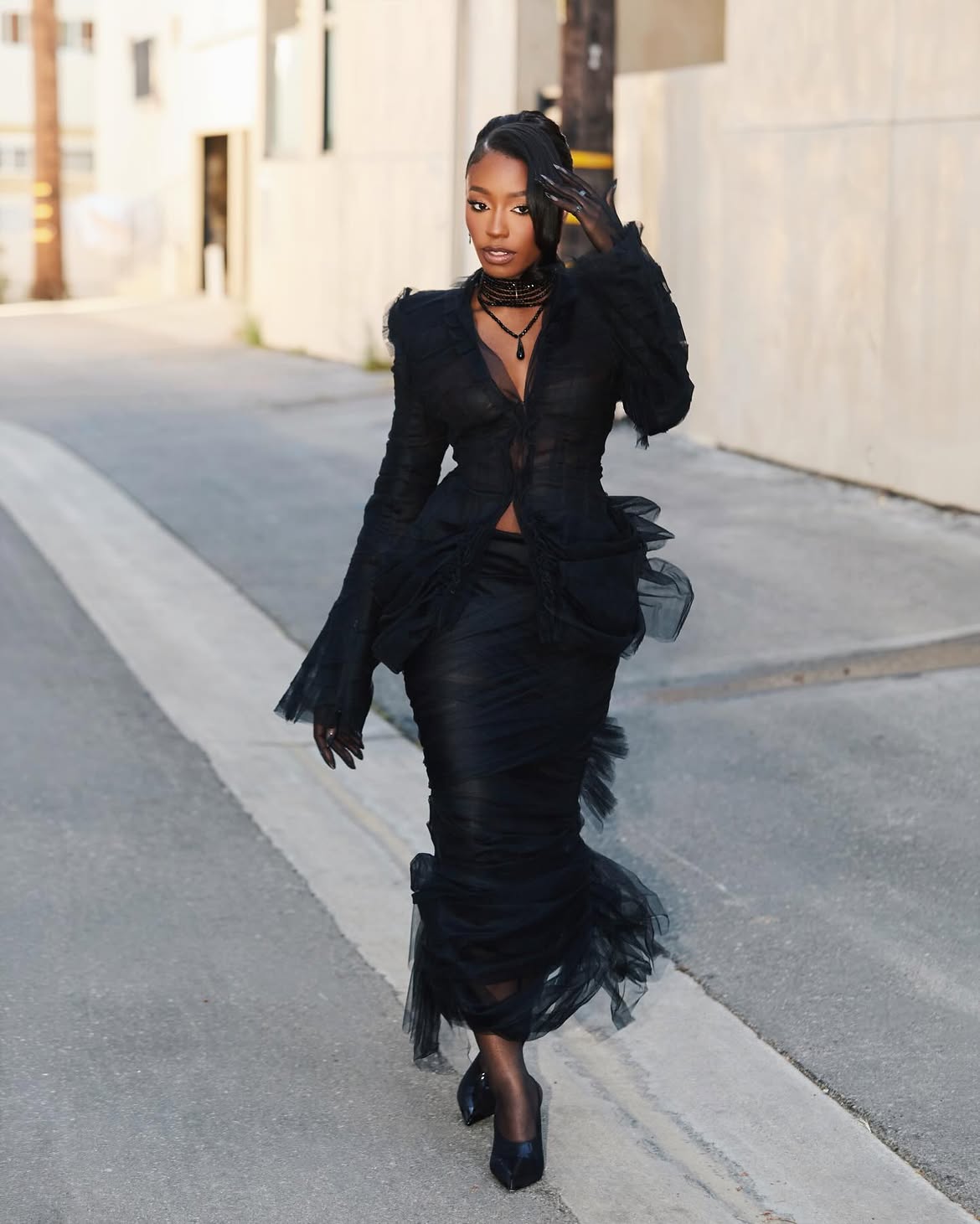
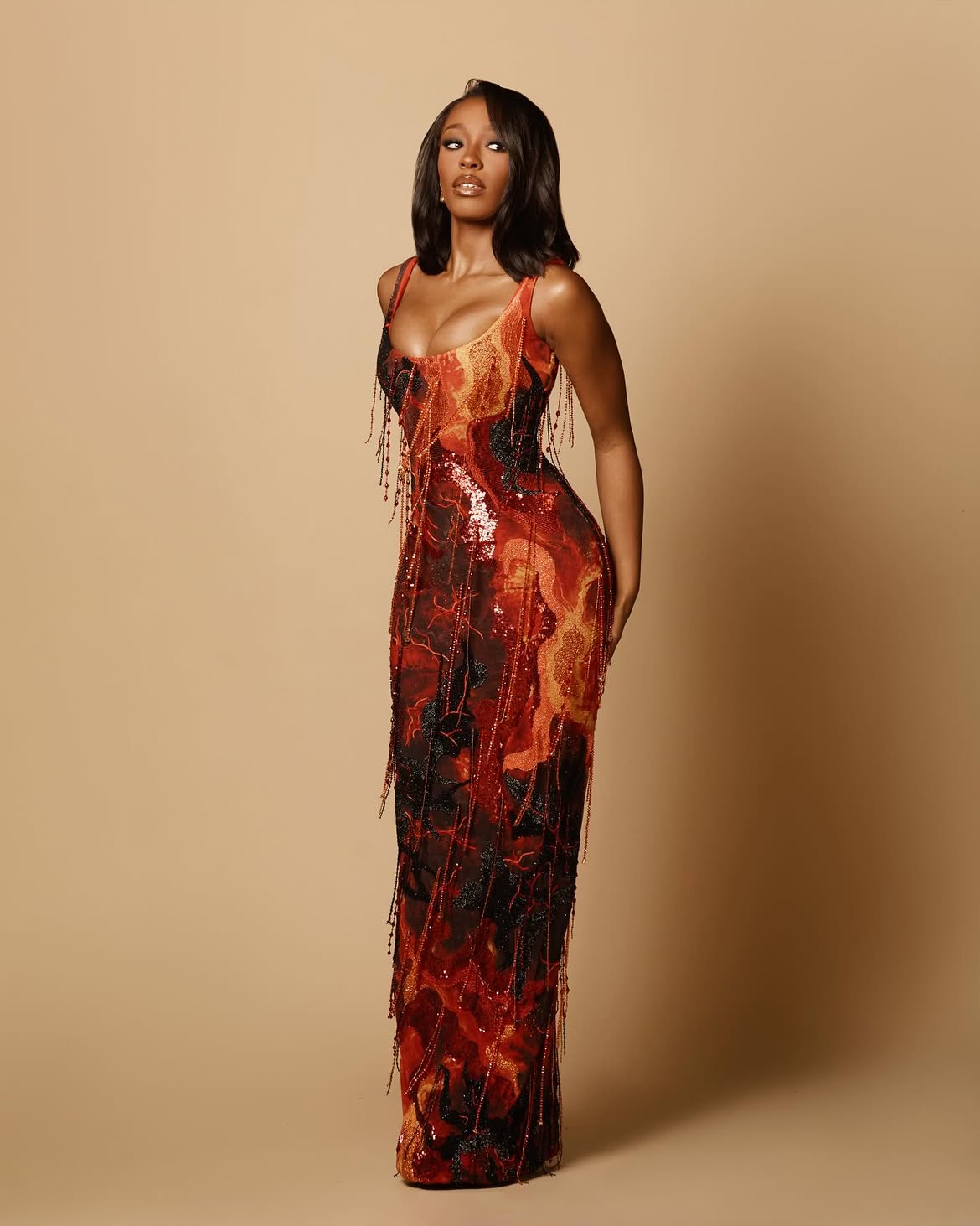
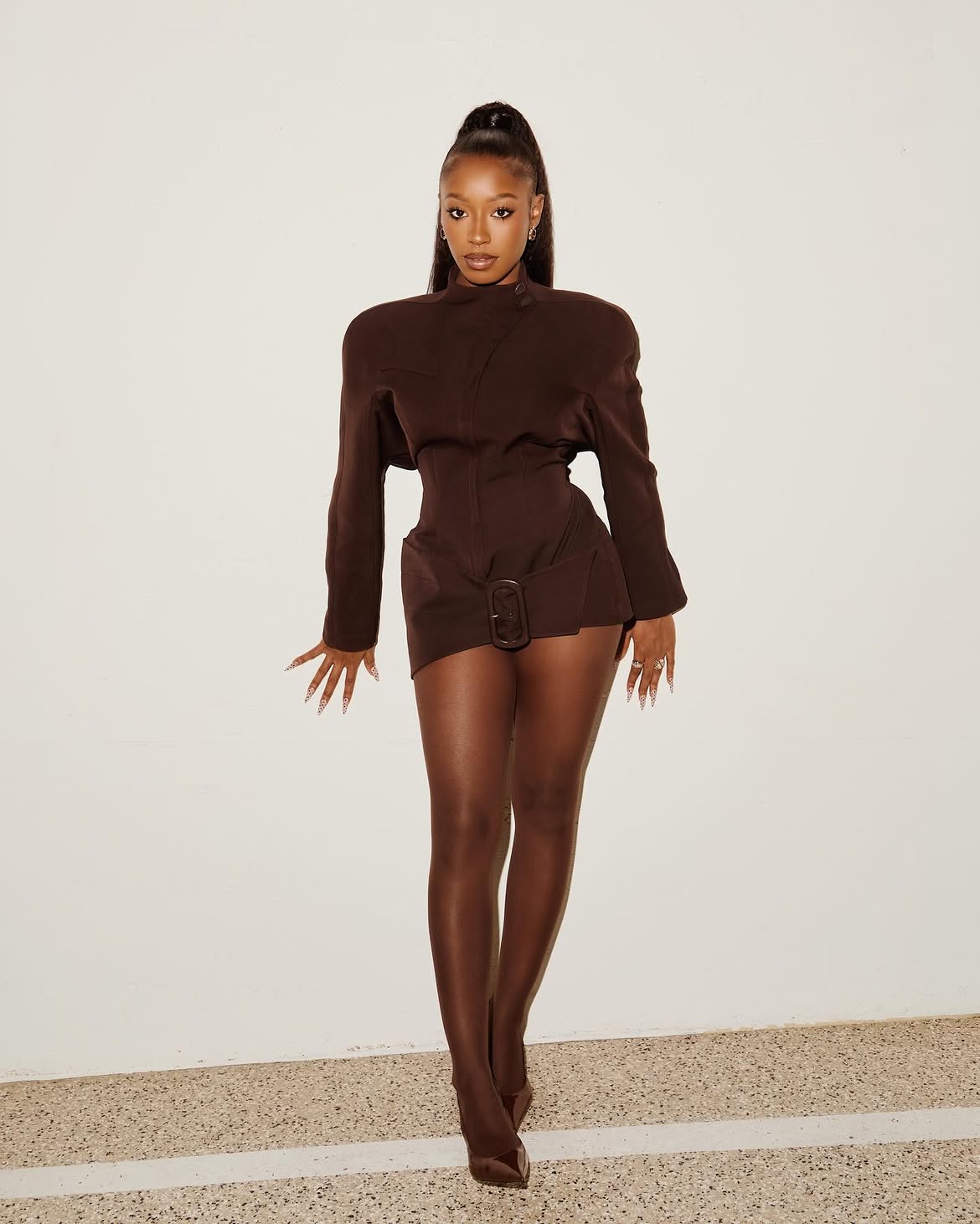
Serena Page became widely known after winning Love Island USA Season 6 alongside Kordell Beckham. Since leaving the villa, however, her career has developed beyond the usual reality-TV cycle of appearances and sponsorships.
Her post-show portfolio includes partnerships with major brands such as Spotify, Bumble, CoverGirl, Neutrogena, SheaMoisture, and Cecred. CAA, which represents her for speaking engagements, describes her as a breakout entertainment personality and notes her growing audience across Instagram and TikTok.
Serena has also received recognition from TIME100 Creators, placing her within a wider conversation about digital creators and their influence on culture. Her career is still relatively young compared with some of the established names on this list, but the direction is clear.
What makes Serena worth watching is the move from reality-TV winner to creator, commercial talent and emerging entertainment personality. Love Island gave her the initial platform. She is now building a career around what that platform made possible.
6. Swanky Jerry | Young, Famous & African
Jeremiah Ogbodo, popularly known as Swanky Jerry, had already built his reputation in fashion before appearing on Young, Famous & African. He founded Swanky Signatures Styling in 2012, establishing himself within Nigeria’s celebrity fashion and styling industry.
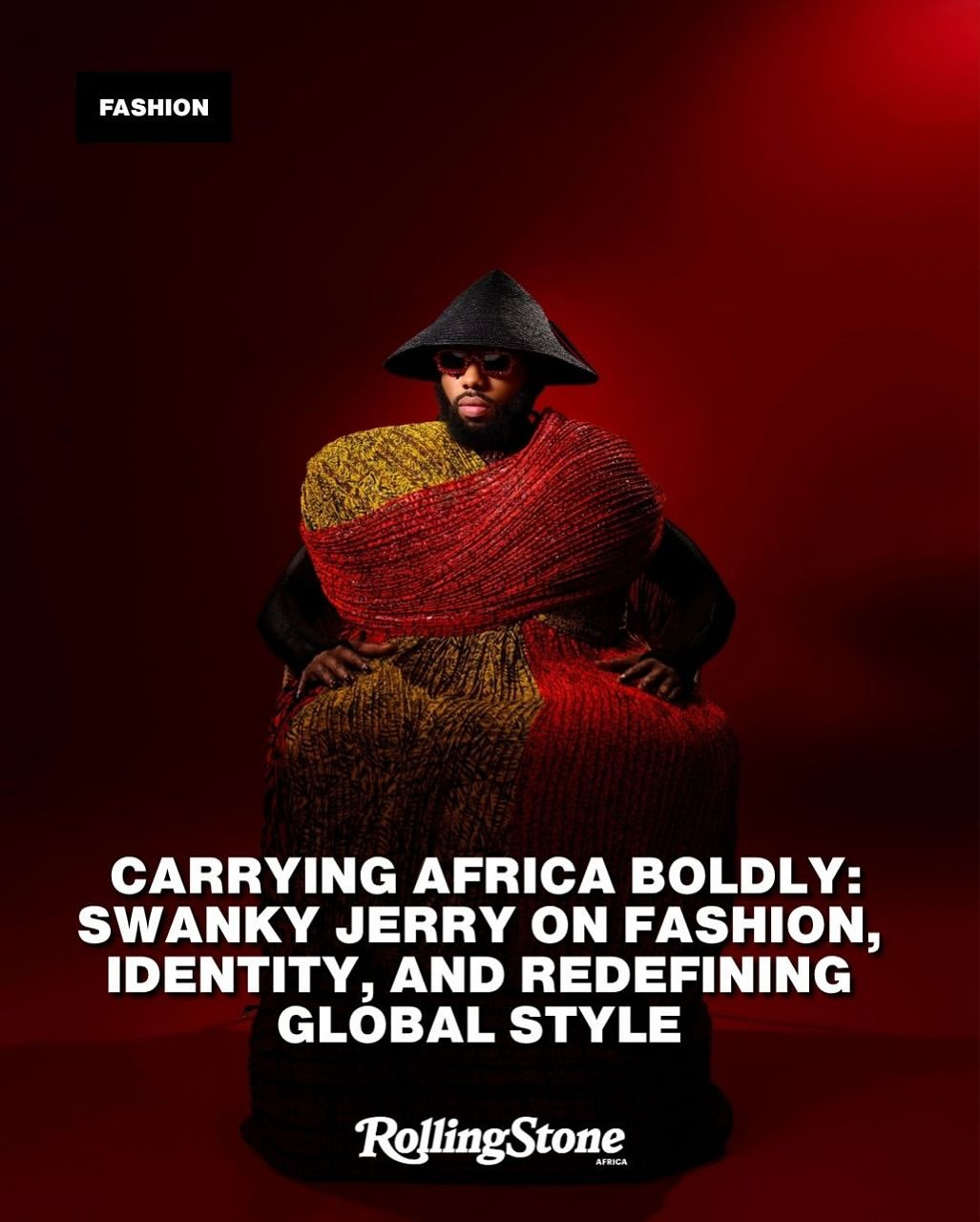
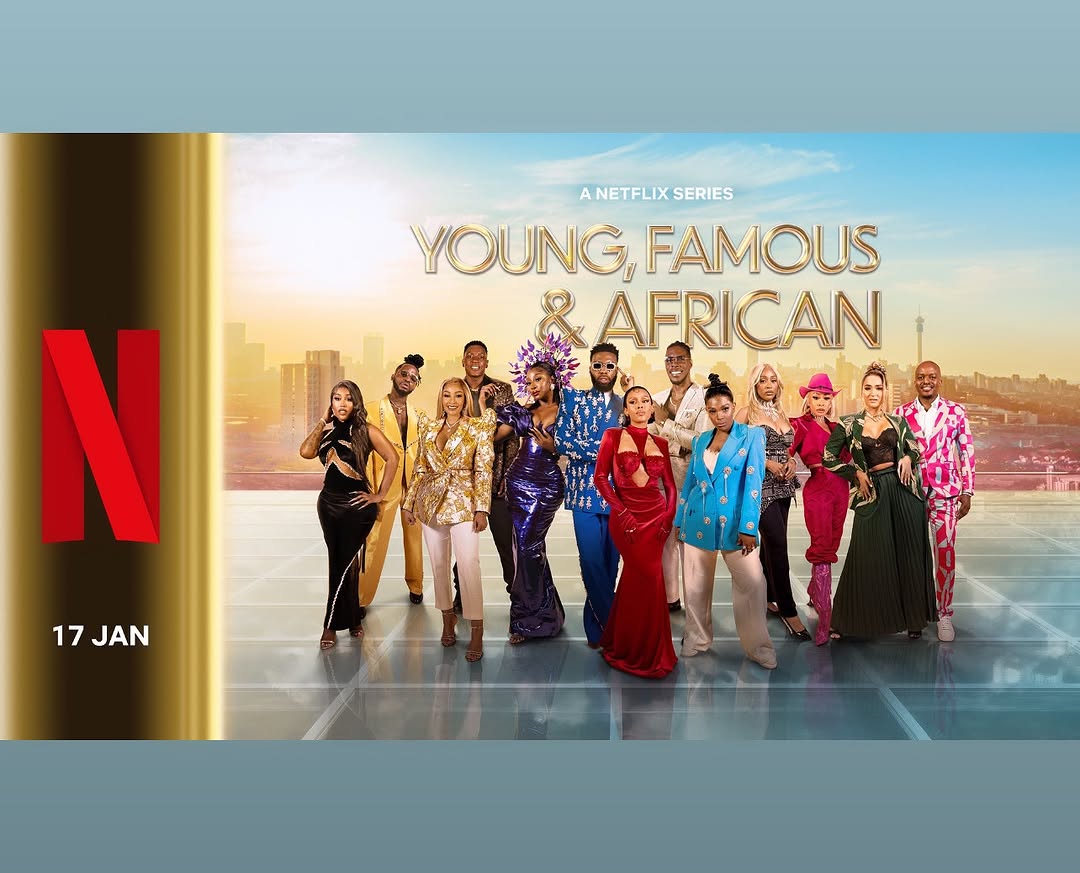
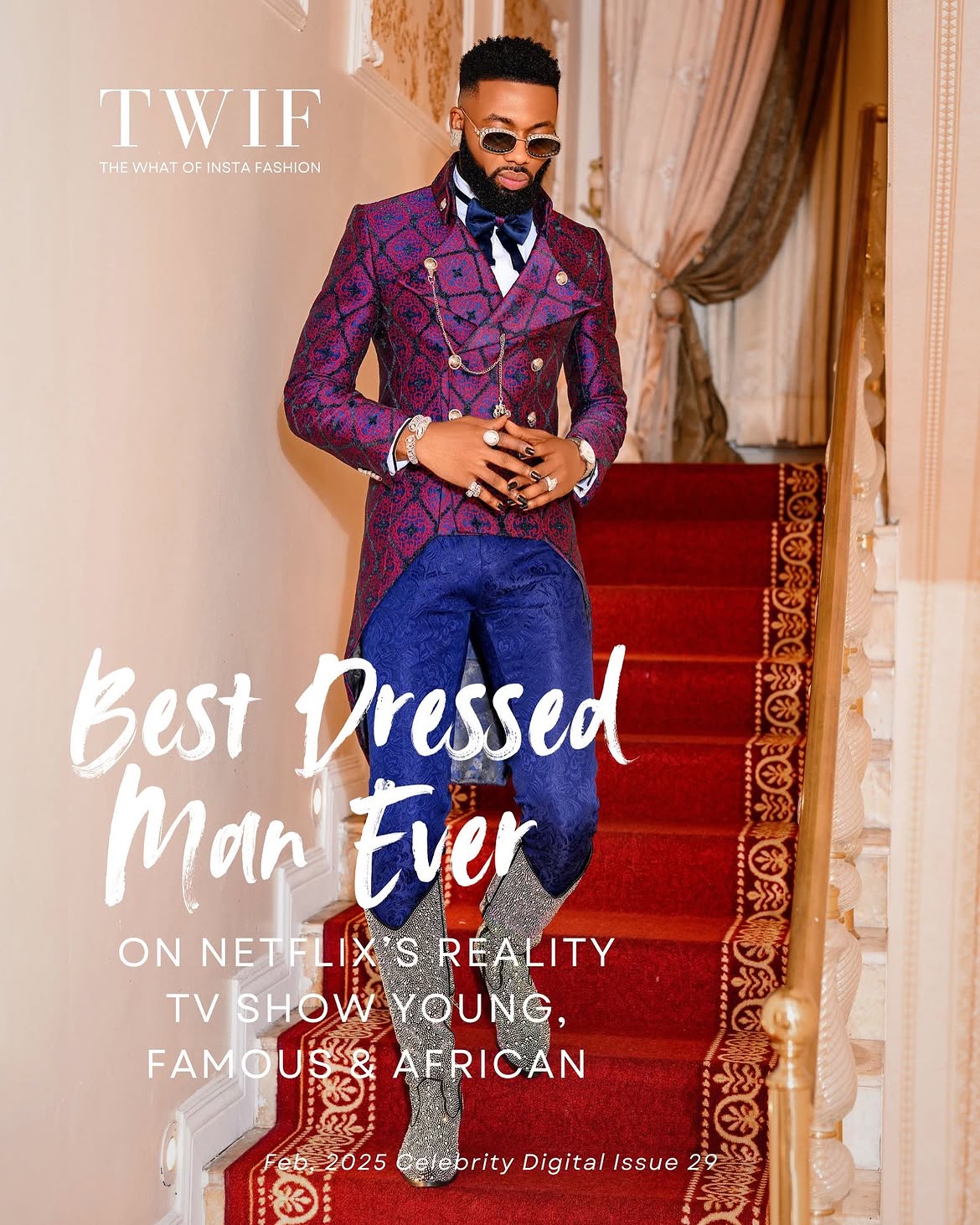
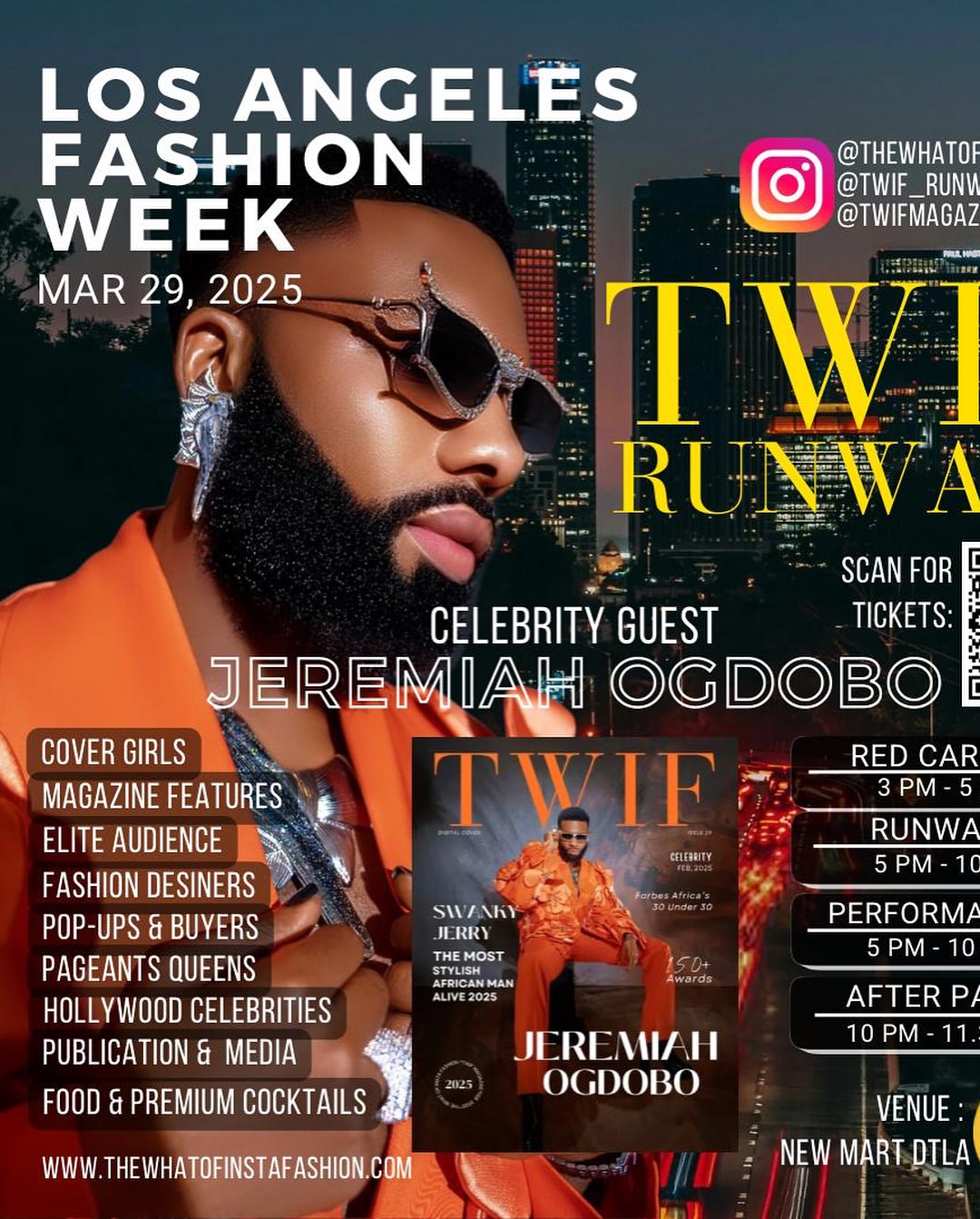
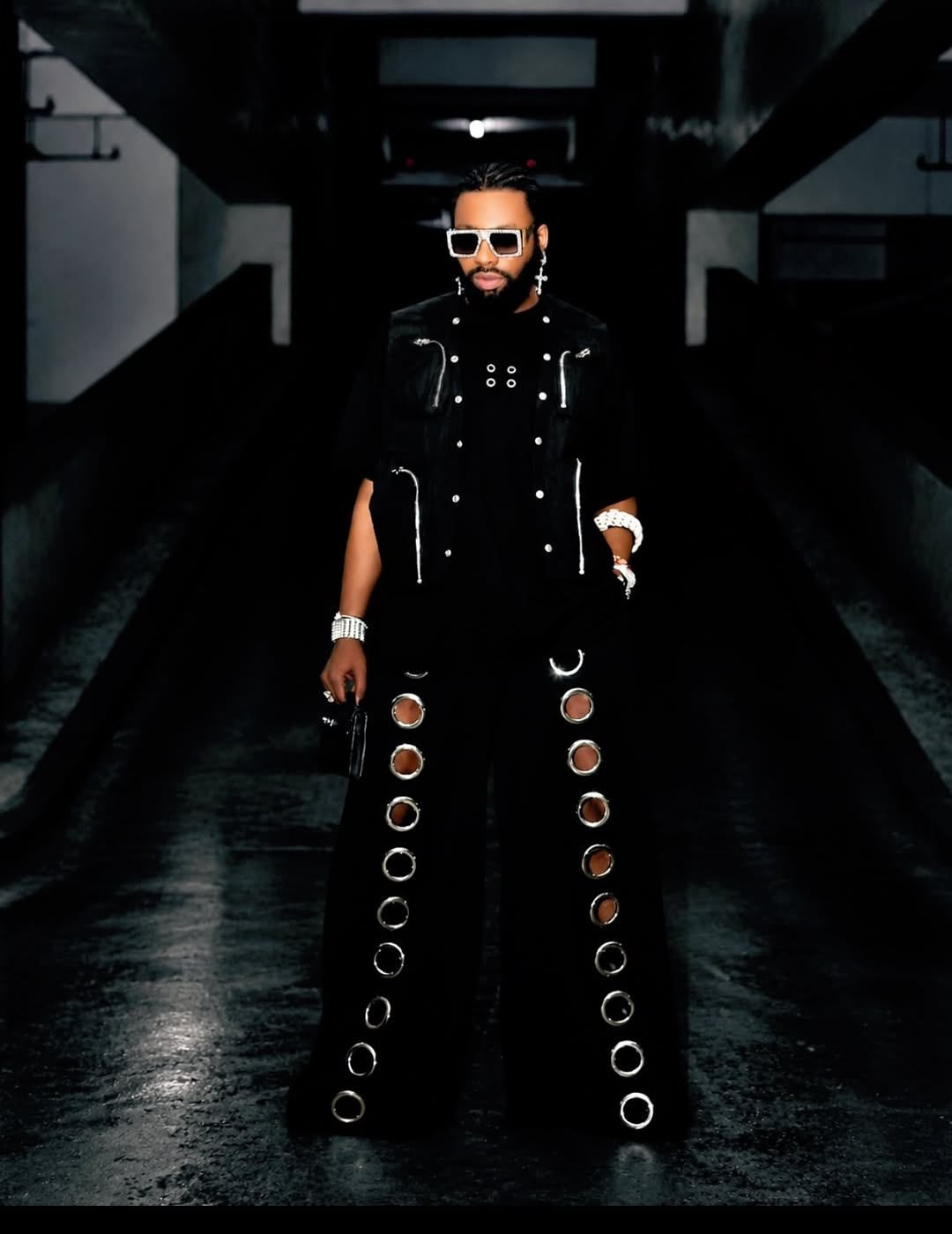
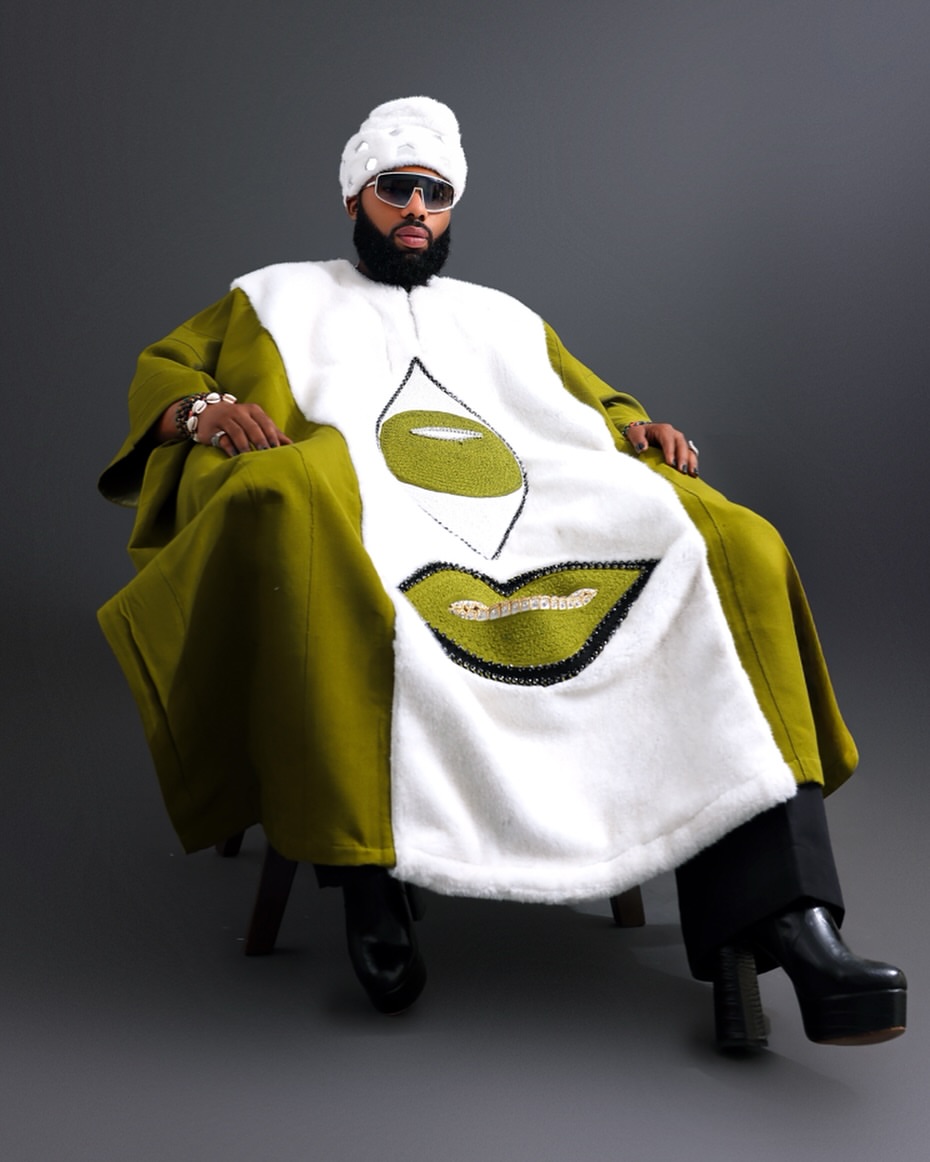
His work has included styling entertainers and public figures for red carpets, campaigns, editorials, and major appearances. His reality-TV role subsequently introduced that world to Netflix’s international audience, placing an already established African creative personality in front of viewers far beyond Nigeria.
His career continues to attract recognition within African fashion. A September 2026 profile by Ranks Africa highlighted his decade-plus career and described his work across red carpets, editorial campaigns, and luxury fashion experiences.
Swanky’s story is therefore less about becoming successful because of reality TV and more about using reality television to expand the visibility of a career that already existed. The show gave audiences his personality. Fashion remained the foundation.
7. Ebuka Obi-Uchendu | Big Brother Nigeria
Few reality-TV journeys come full circle quite like Ebuka Obi-Uchendu’s.
In 2006, he entered the first season of Big Brother Nigeria as a trained lawyer looking for a new experience. He left the house in eighth place, but the exposure opened a completely different door. Within months, he had landed his first television role on Friend or Foe, and he continued building his career through presenting, interviewing, and live television.
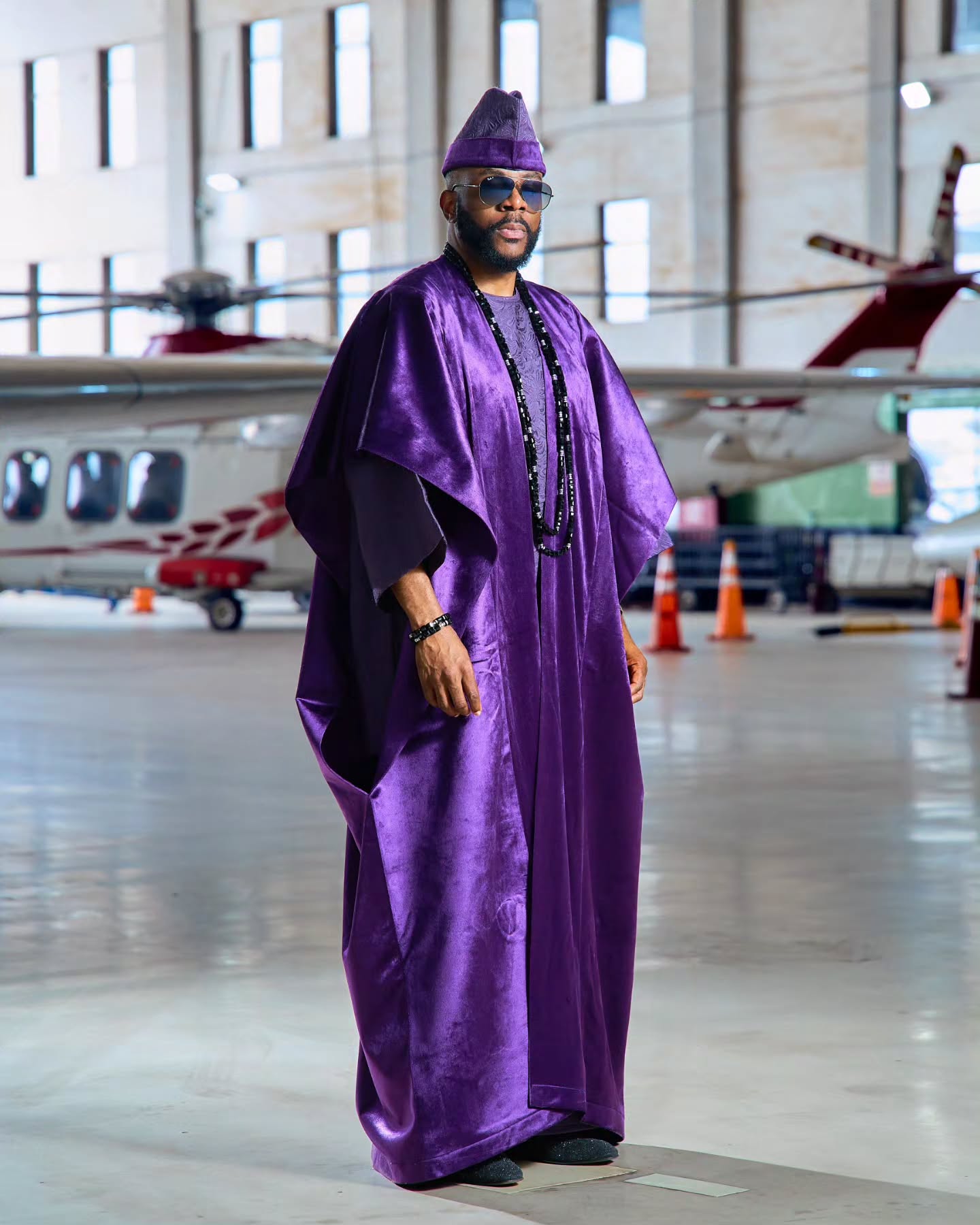
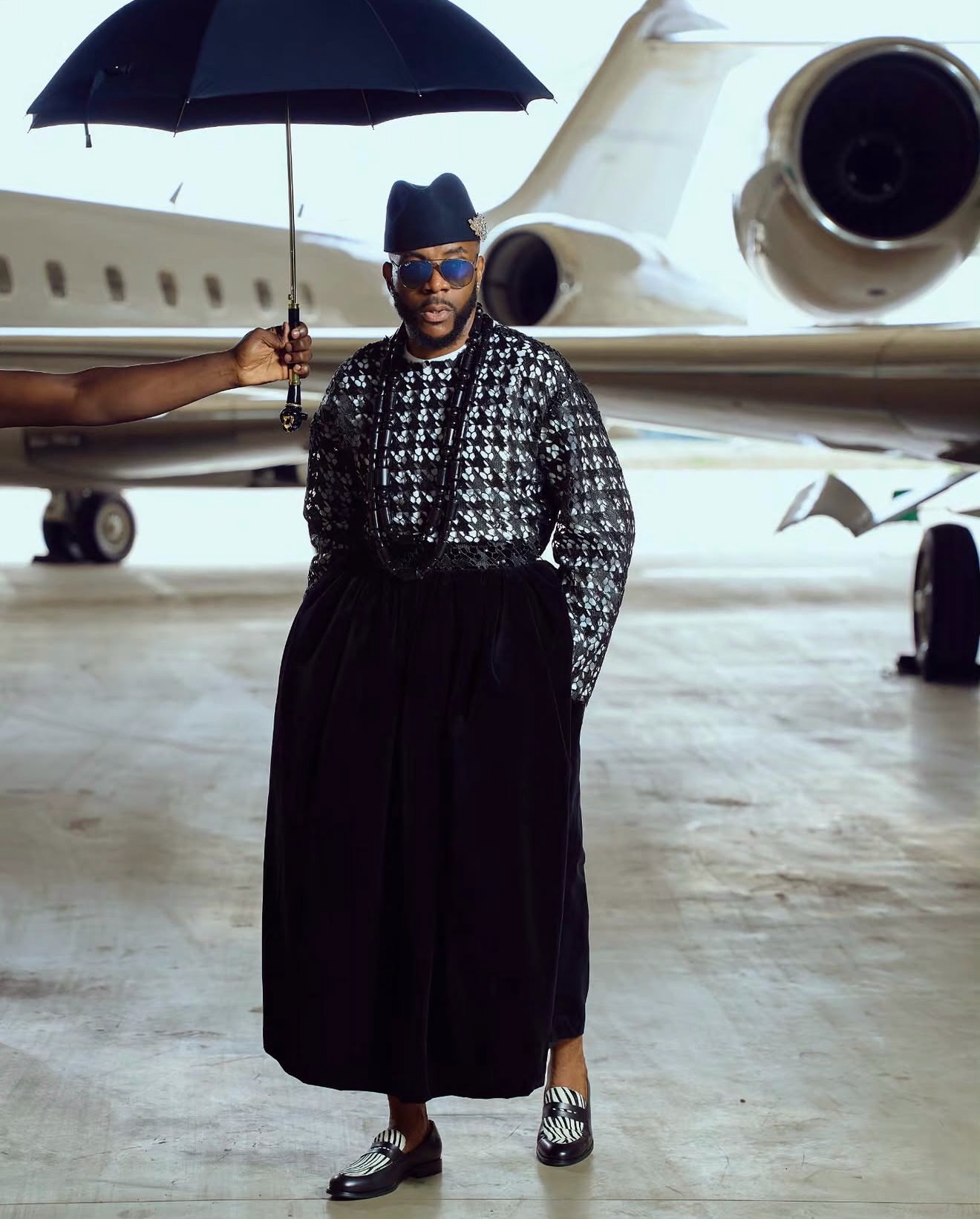
His career eventually brought him back to the same platform that introduced him to the public. In 2017, Ebuka returned to Big Brother, this time as the host, beginning a role that would become one of the most recognizable positions in Nigerian television. MultiChoice described him at the time as a former housemate whose original appearance on the show had helped propel him to stardom.
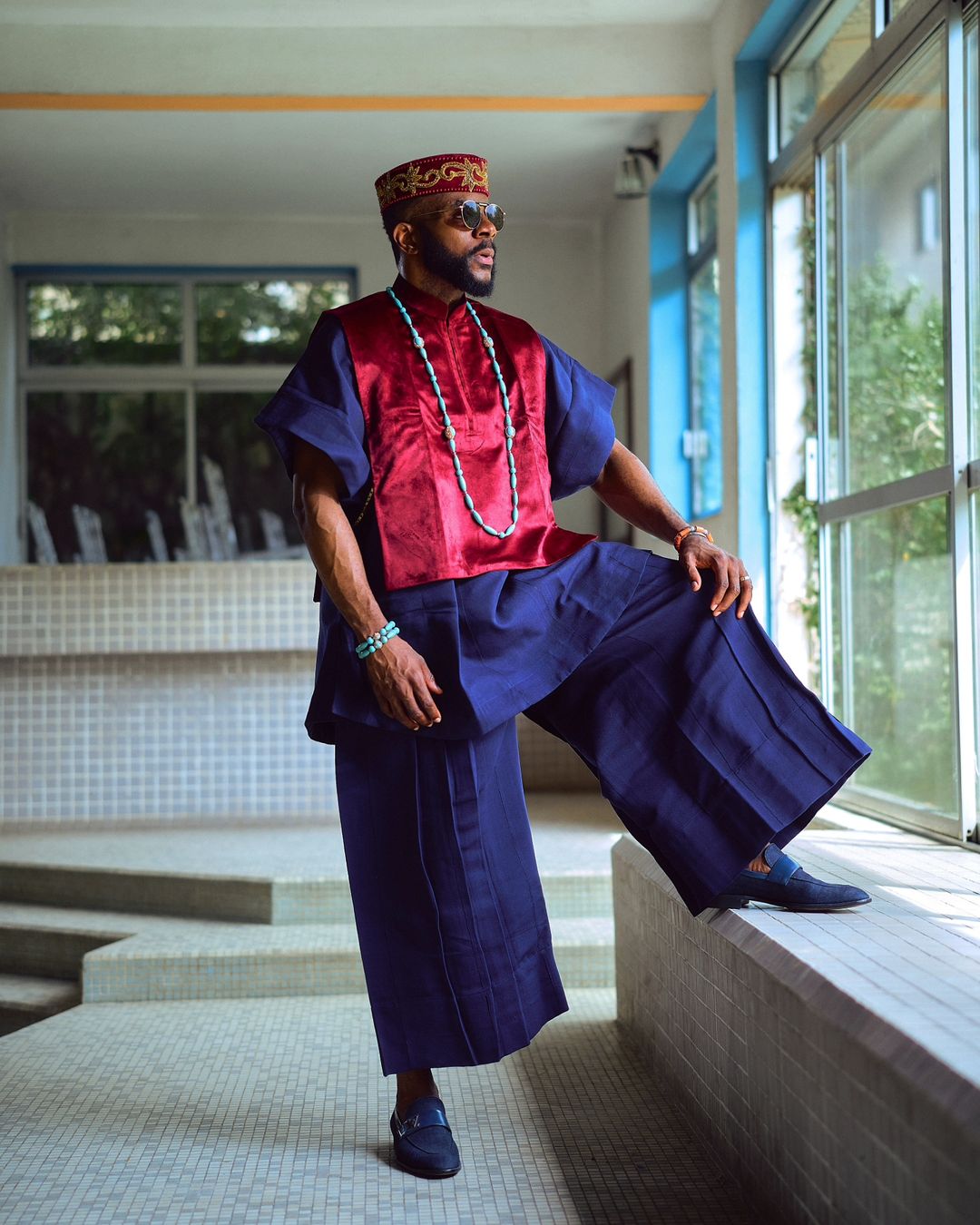
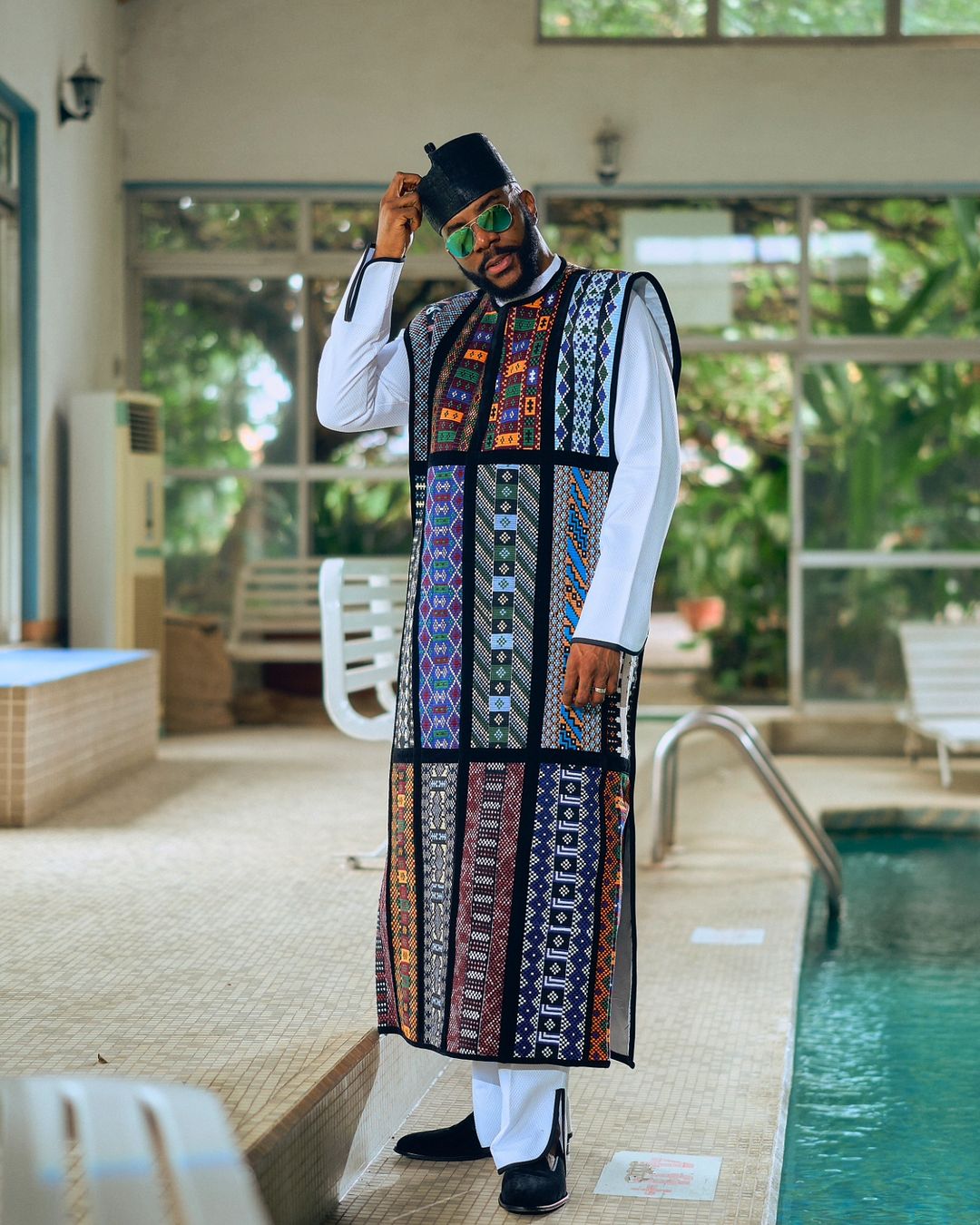
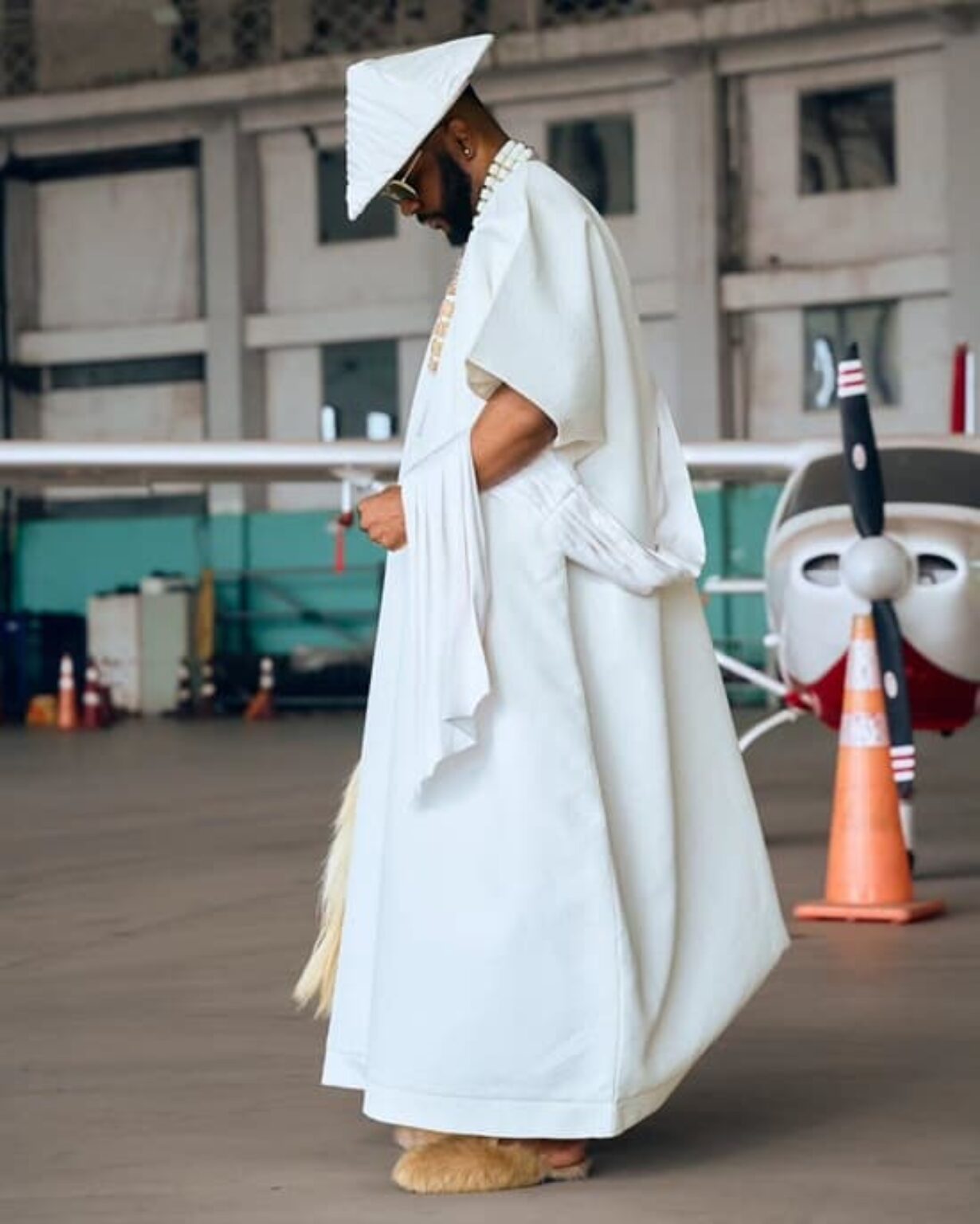
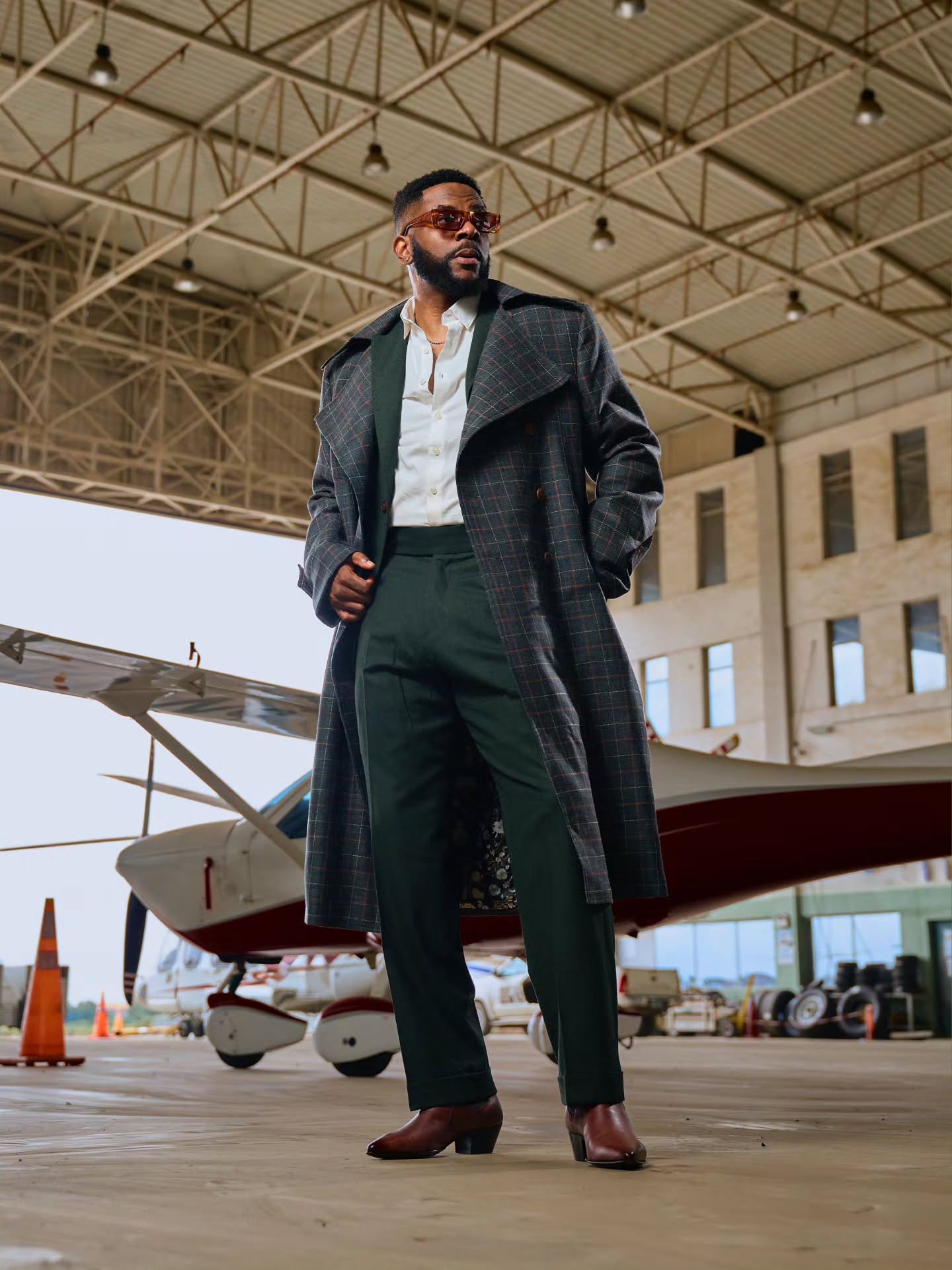
But Ebuka’s influence has grown beyond simply being the man who announces evictions. Over the years, his distinctive approach to Nigerian menswear and personal style has become an important part of his public identity, with his Big Brother outfits regularly generating conversations around African designers and modern Nigerian fashion. Designers including D29, ATAFO, and Ugo Monye have featured prominently in his wardrobe.
That makes Ebuka’s story particularly interesting. Big Brother introduced him to television, but it did not become the limit of his career. He built a long-running identity as a broadcaster, interviewer, and cultural personality, eventually returning to the show not as a contestant, but as the person standing on the other side of the stage.
8. Maura Higgins | Love Island UK
Maura Higgins has managed to turn a memorable Love Island appearance into an increasingly international television career. Since appearing on the UK show in 2019, she has moved into presenting, reality competition shows, and entertainment across both sides of the Atlantic.
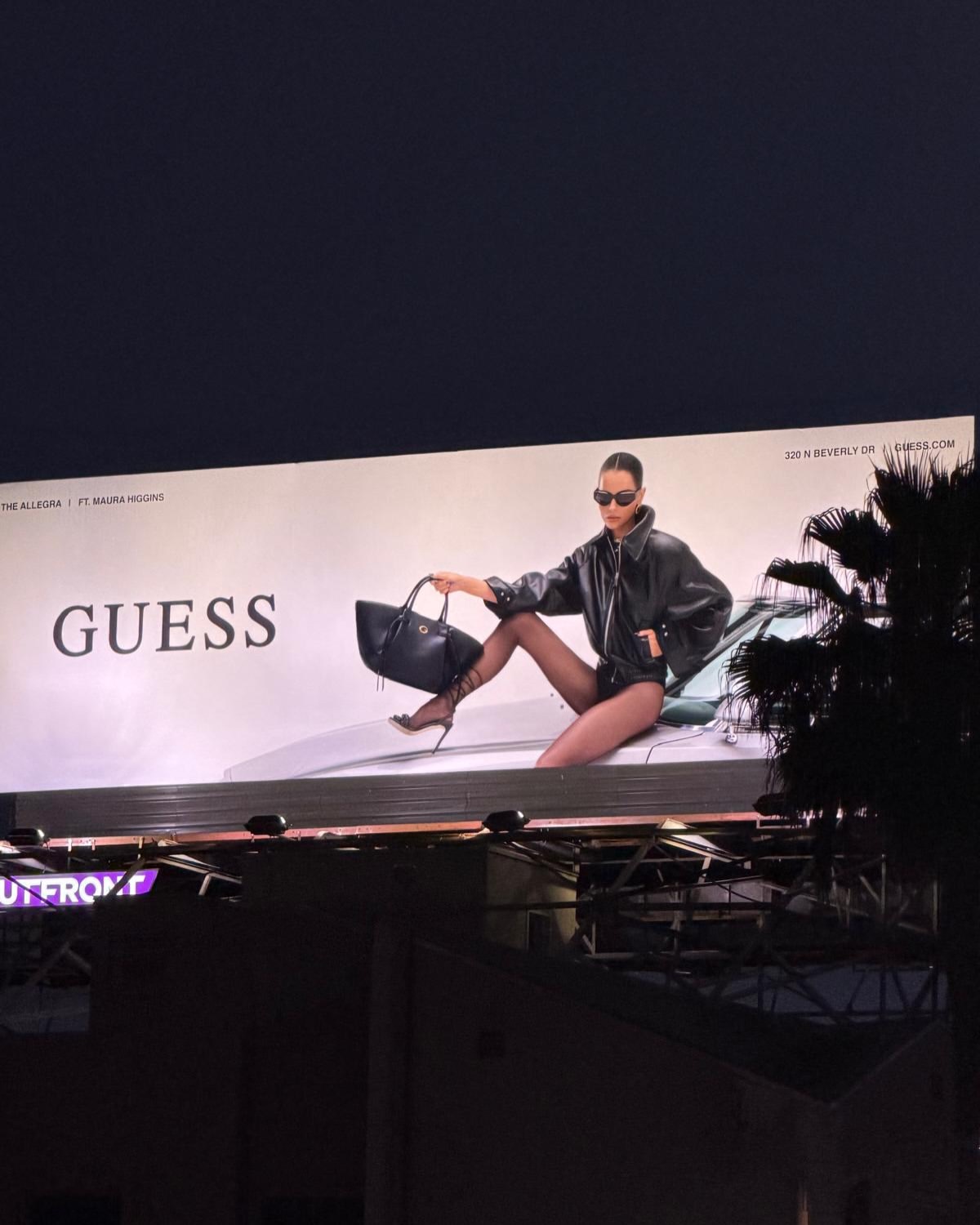
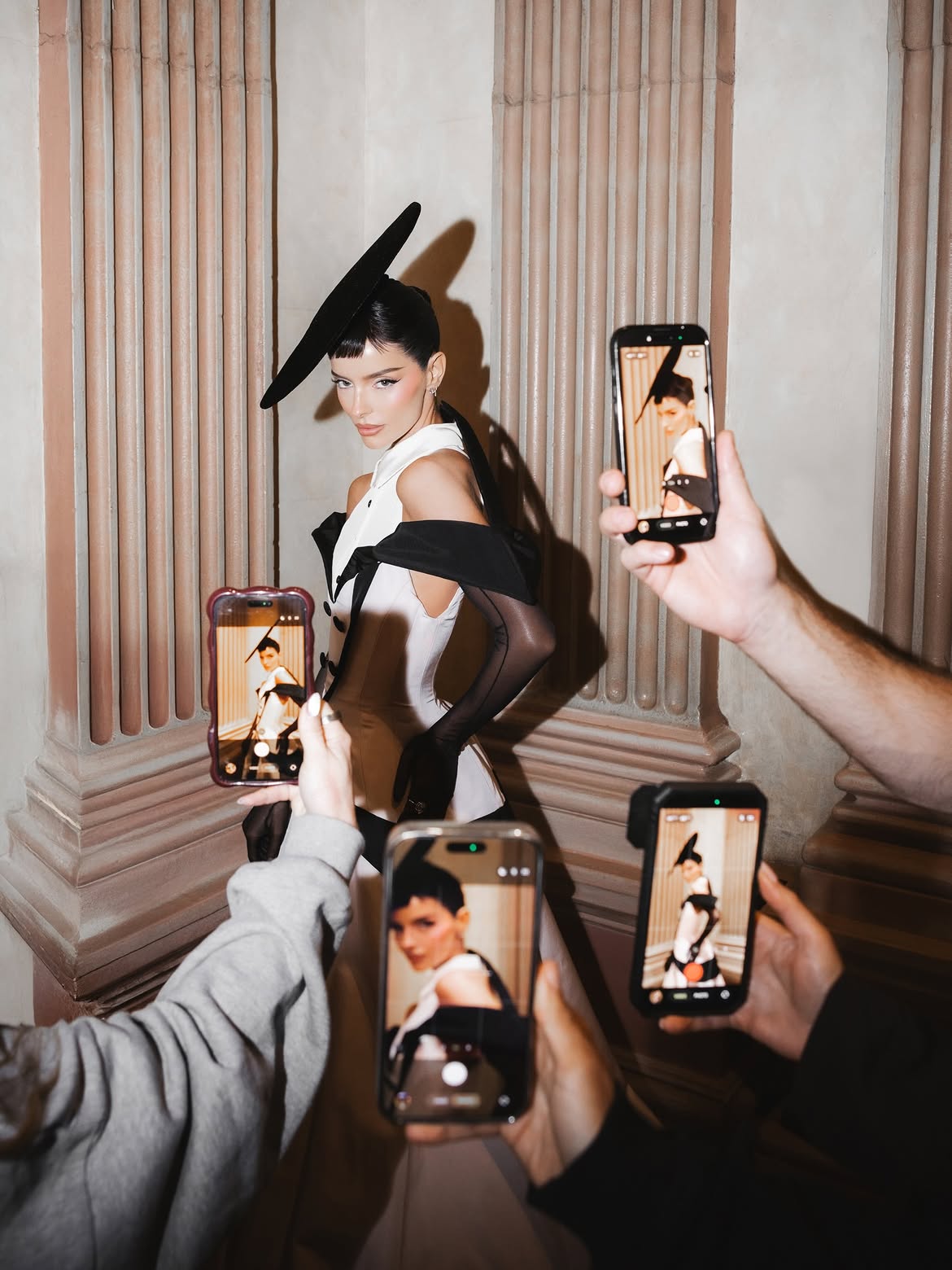
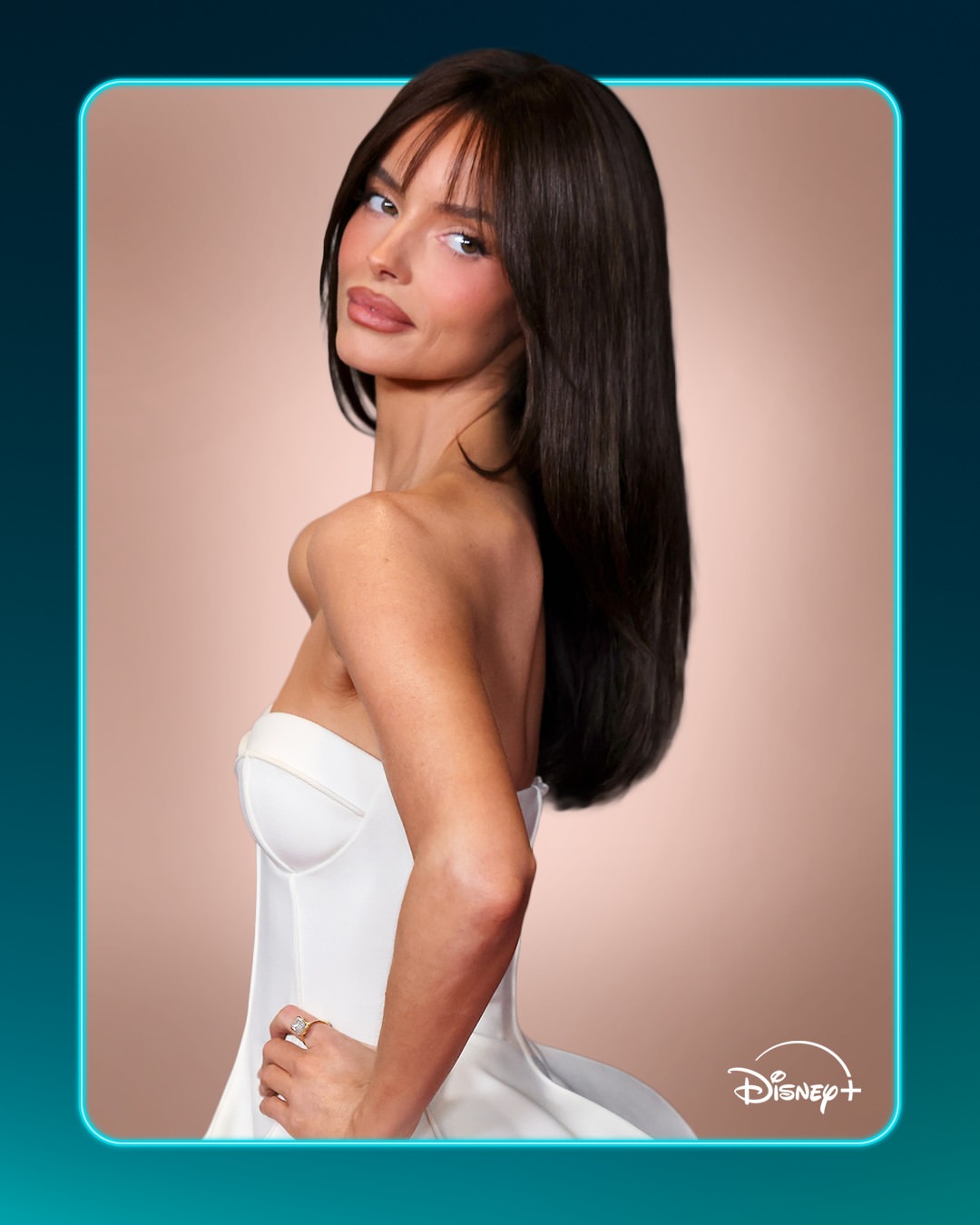
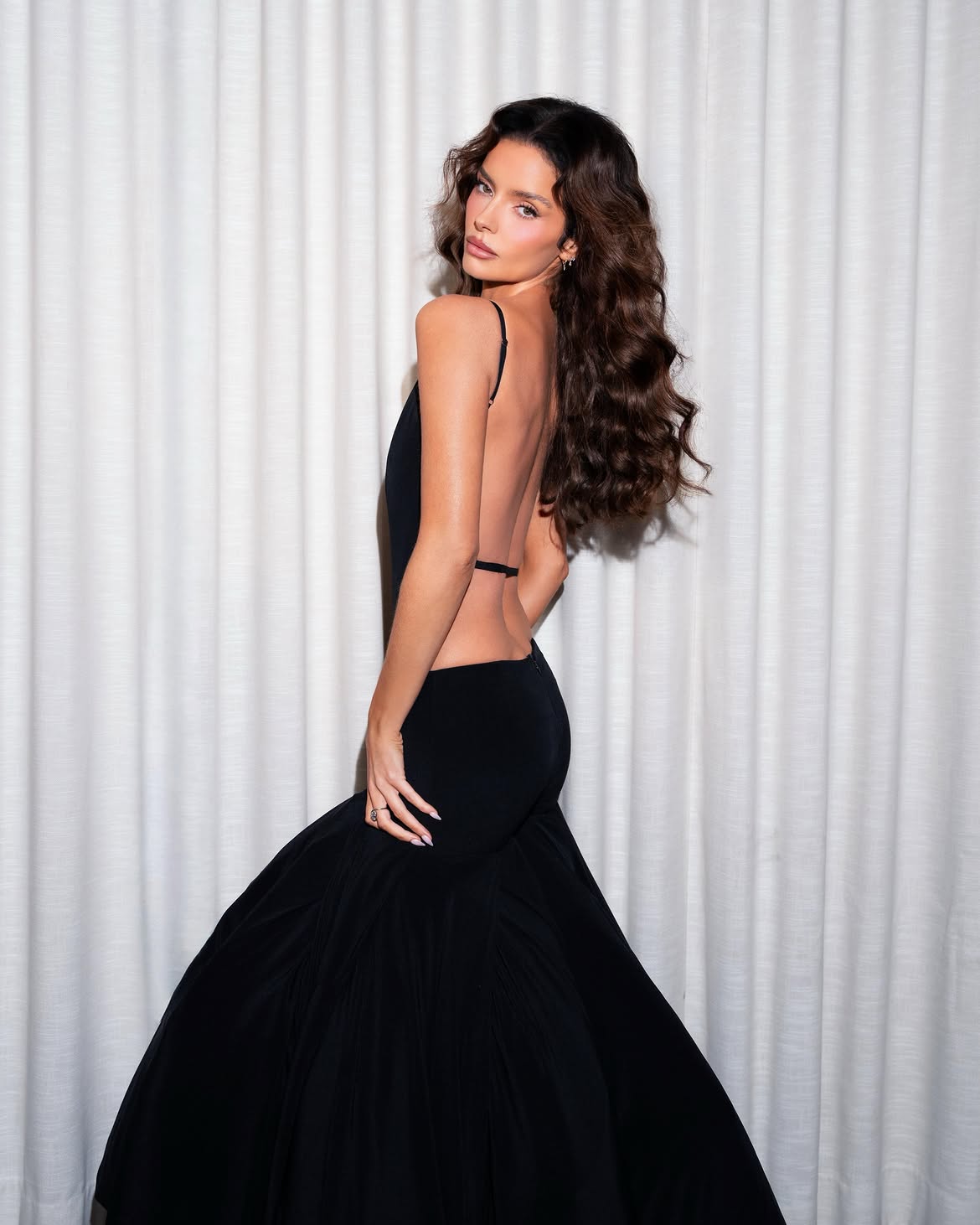
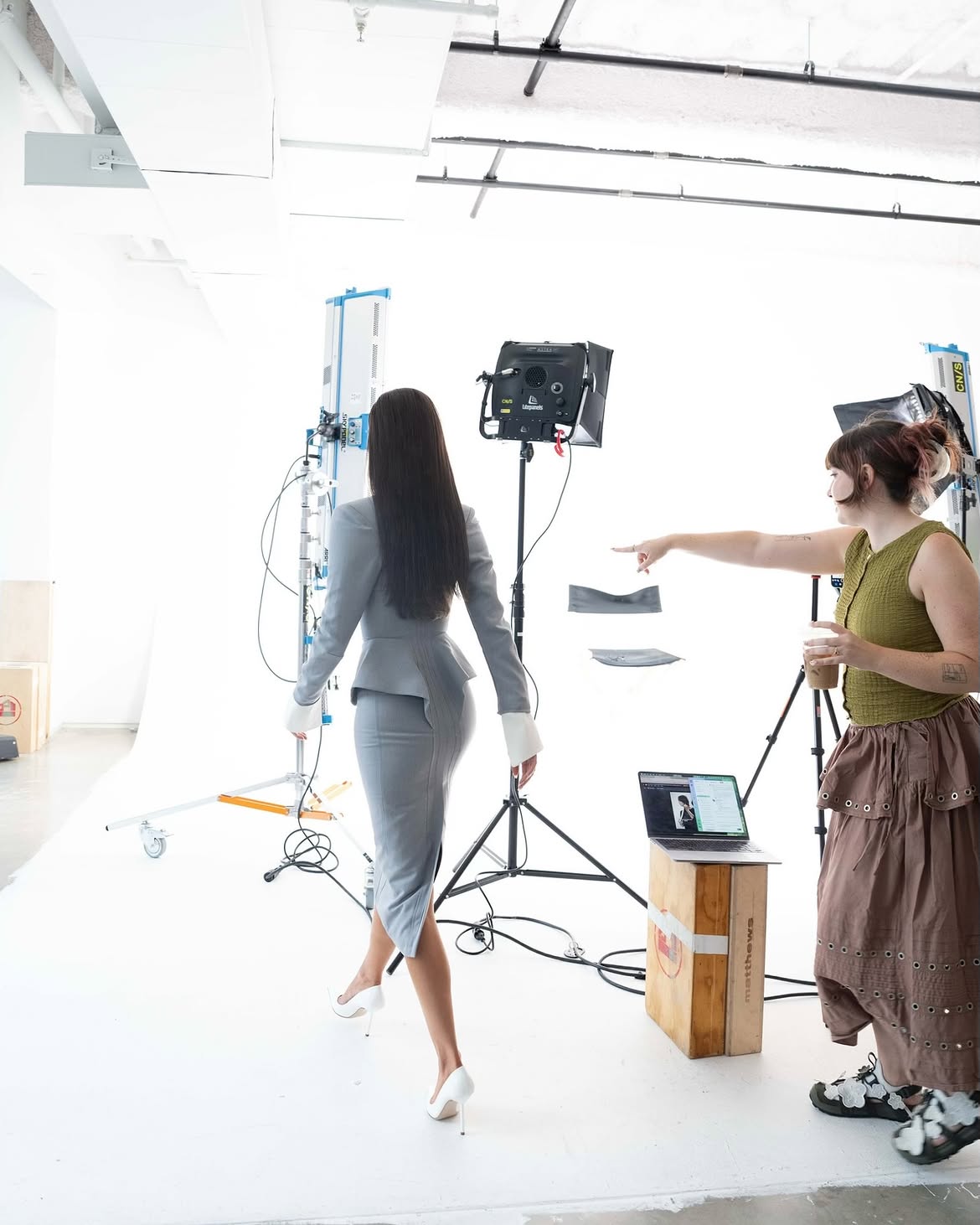
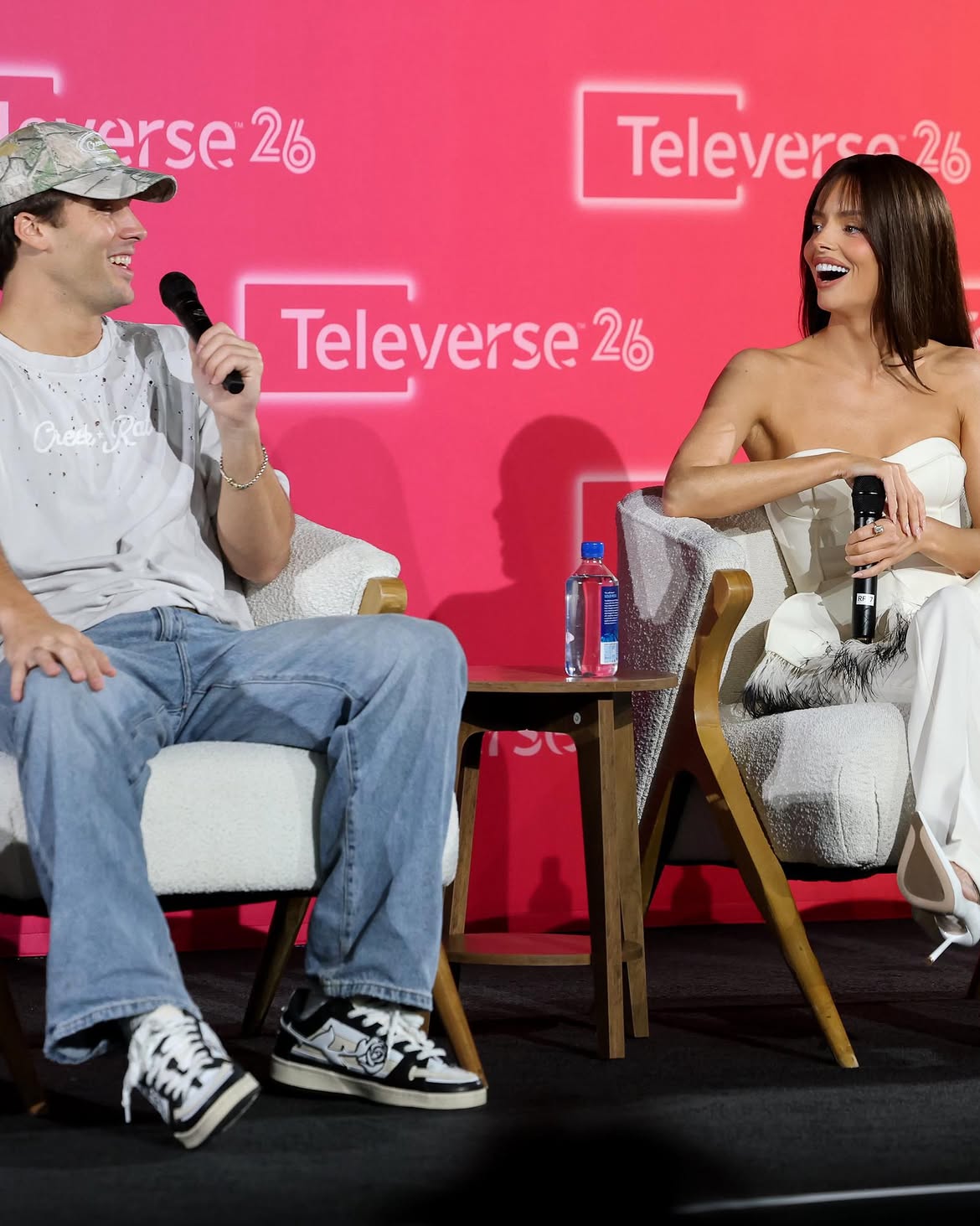

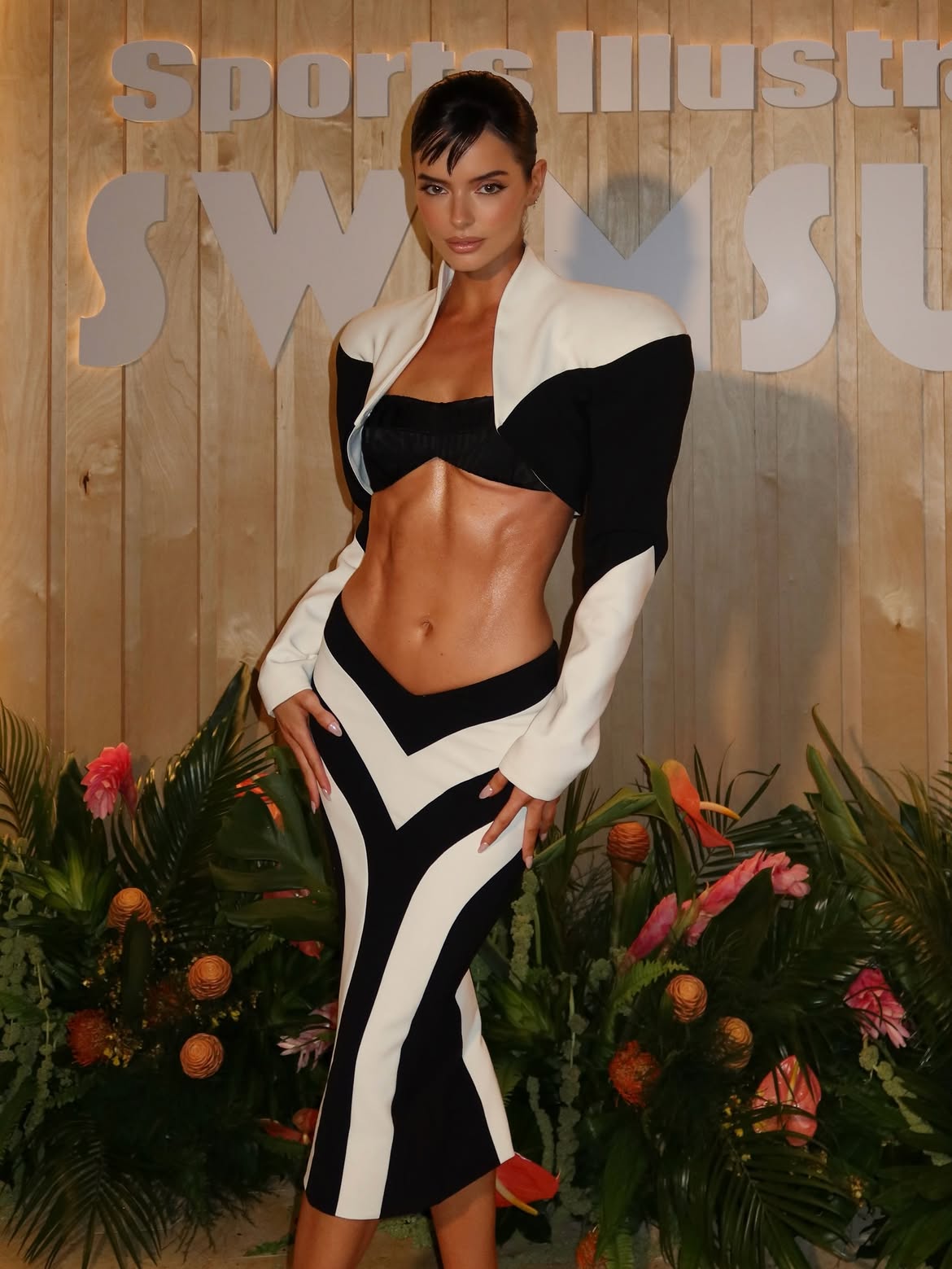
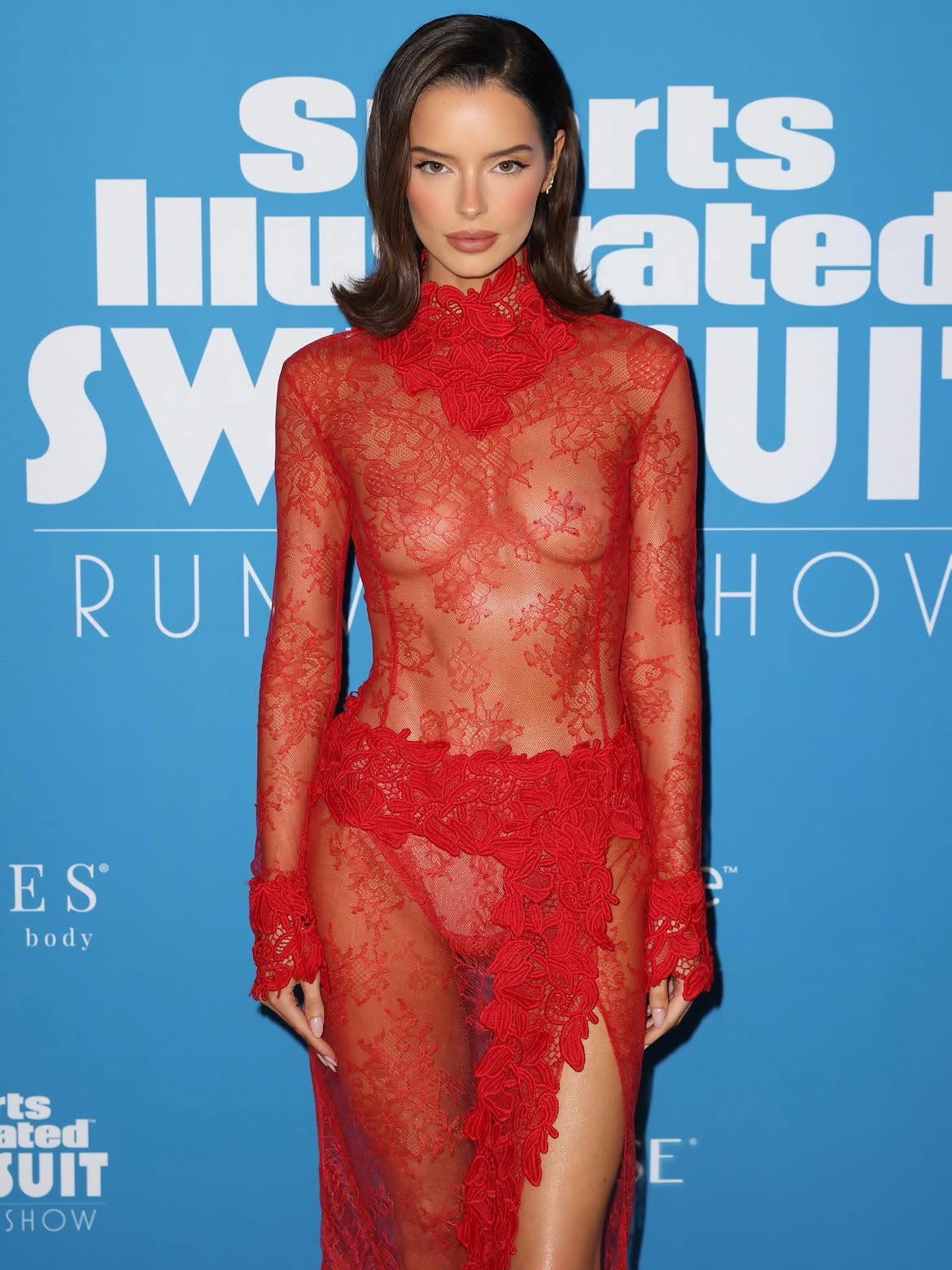
She became the host of Love Island USA: Aftersun and later appeared on The Traitors, while her growing profile has also brought opportunities outside the Love Island franchise. ABC’s current biography describes her as a globally recognized television personality, host, and creator, with brand partnerships including Victoria’s Secret, L’Oréal Paris, M.A.C Cosmetics, and Guess.
In July 2026, Maura was also named to TIME100 Creators, recognizing creators making an impact across entertainment and other areas of culture. She subsequently moved into another major television opportunity with Dancing With the Stars.
Her trajectory is significant because the Love Island name has become only one part of a much wider entertainment career. She has moved from contestant to host, creator, and international television personality.
9. Khanyi Mbau | Young, Famous & African
Khanyi Mbau was already a recognizable South African actress and media personality before Netflix introduced her to a global reality-TV audience. Her entertainment career began years before Young, Famous & African, making her another example of someone whose reality-TV profile amplified an existing public identity.
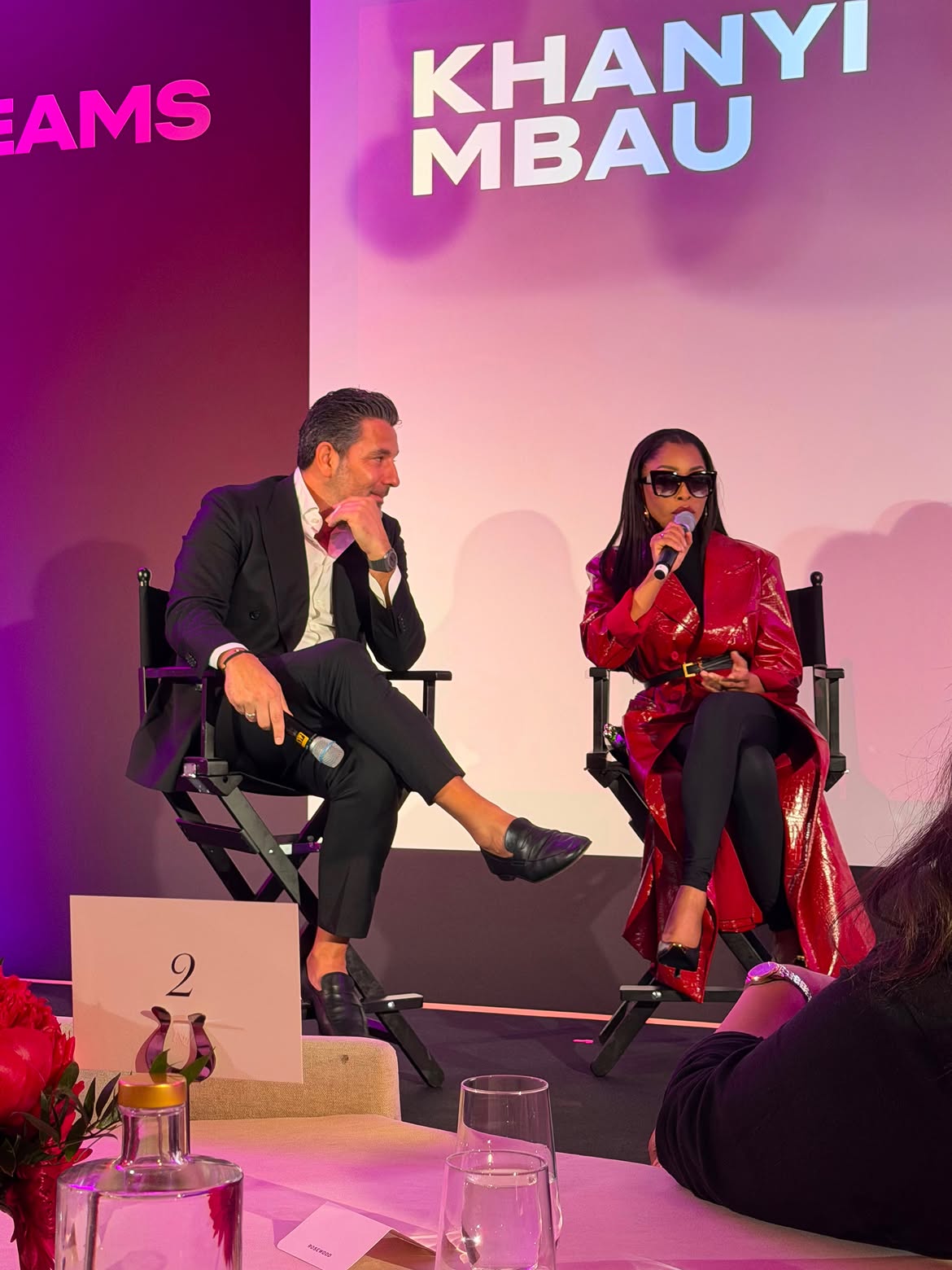
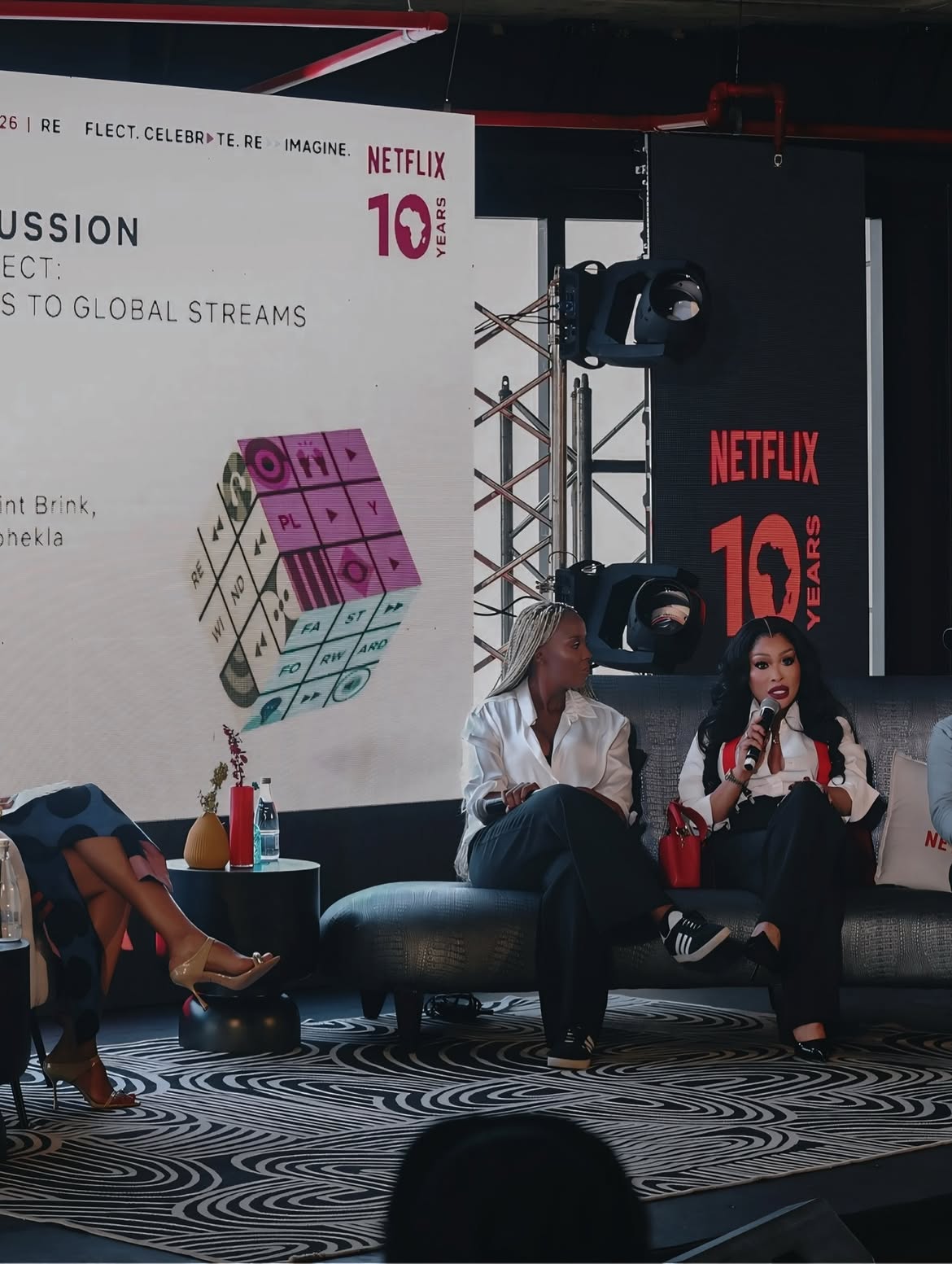
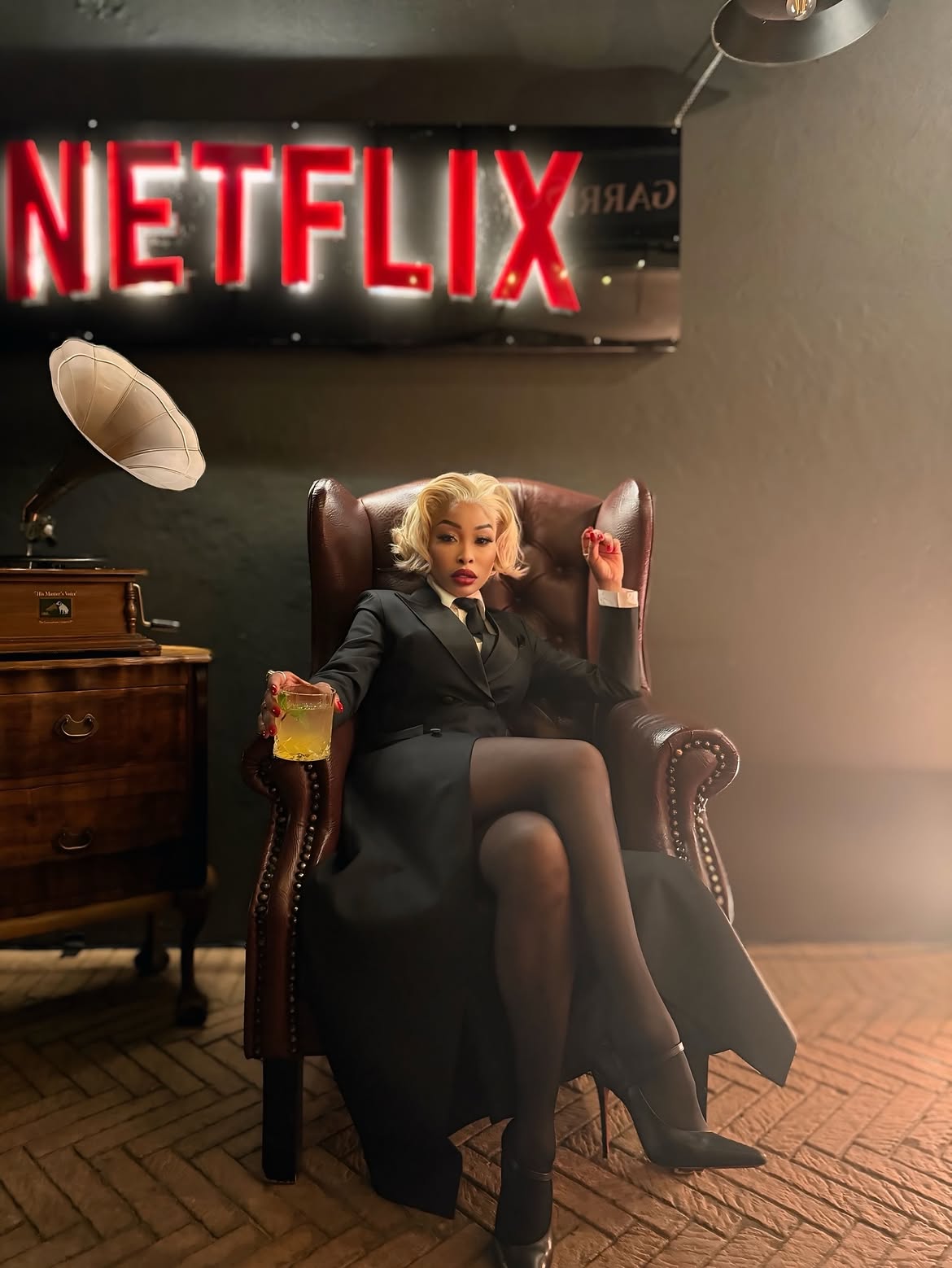
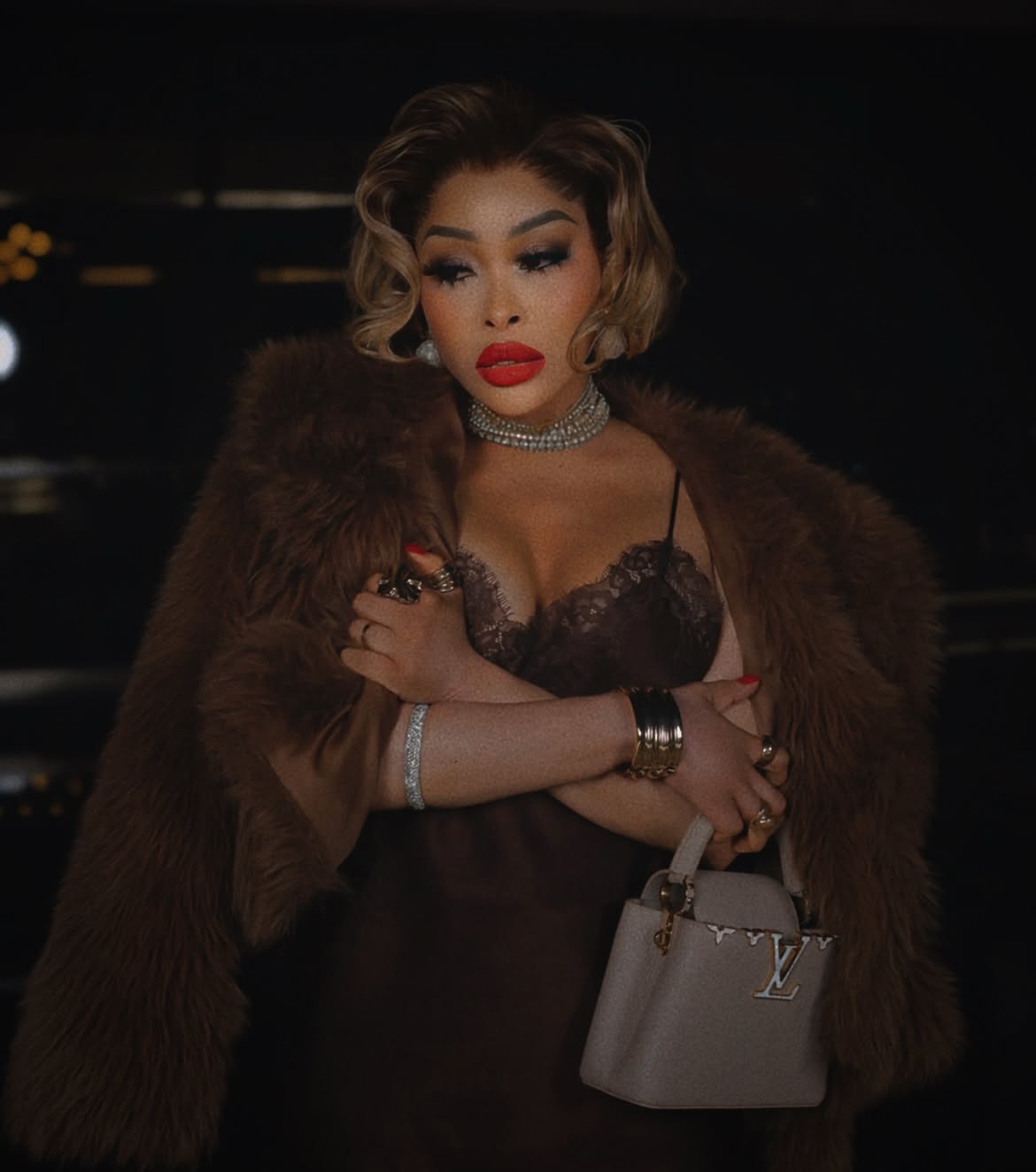
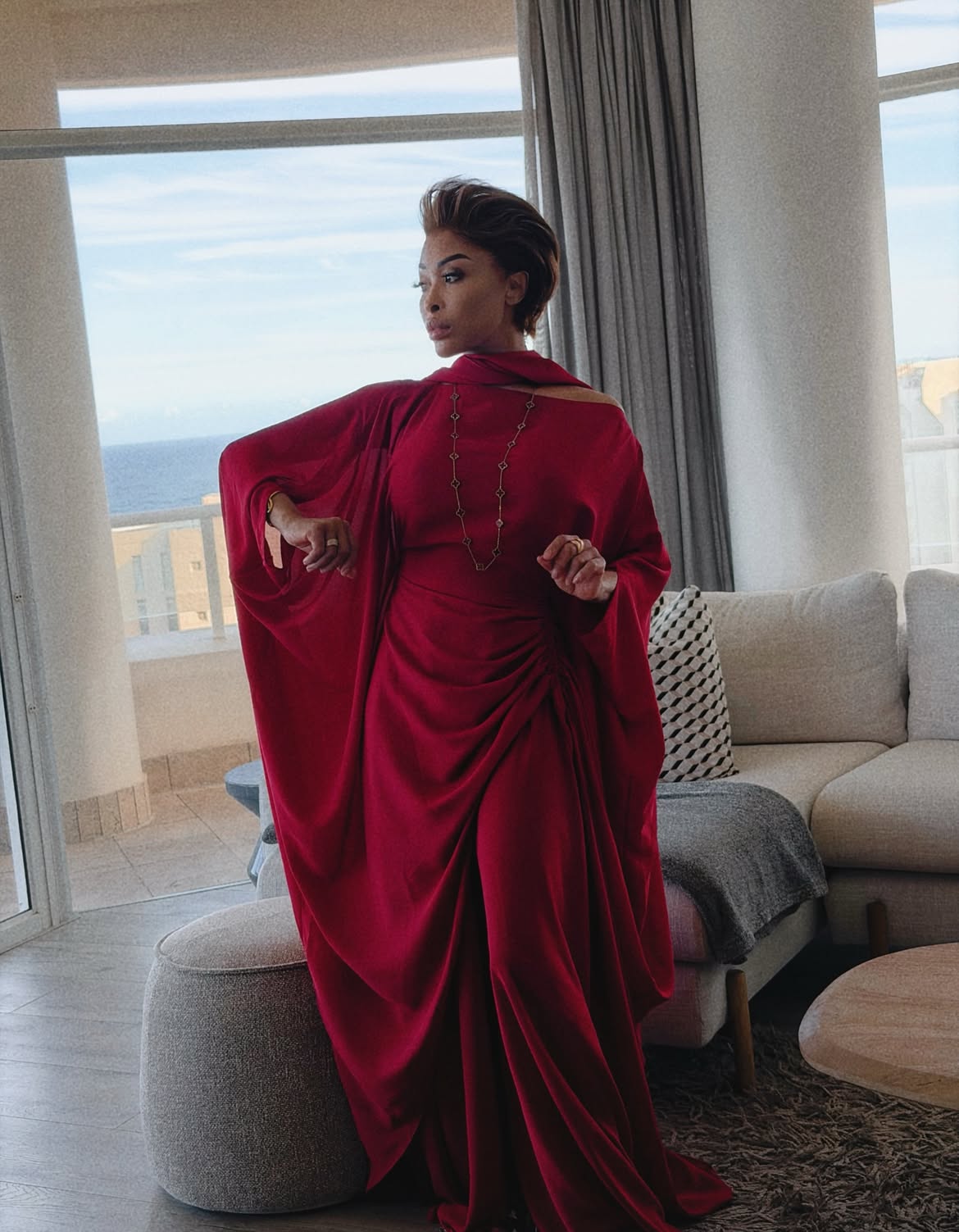
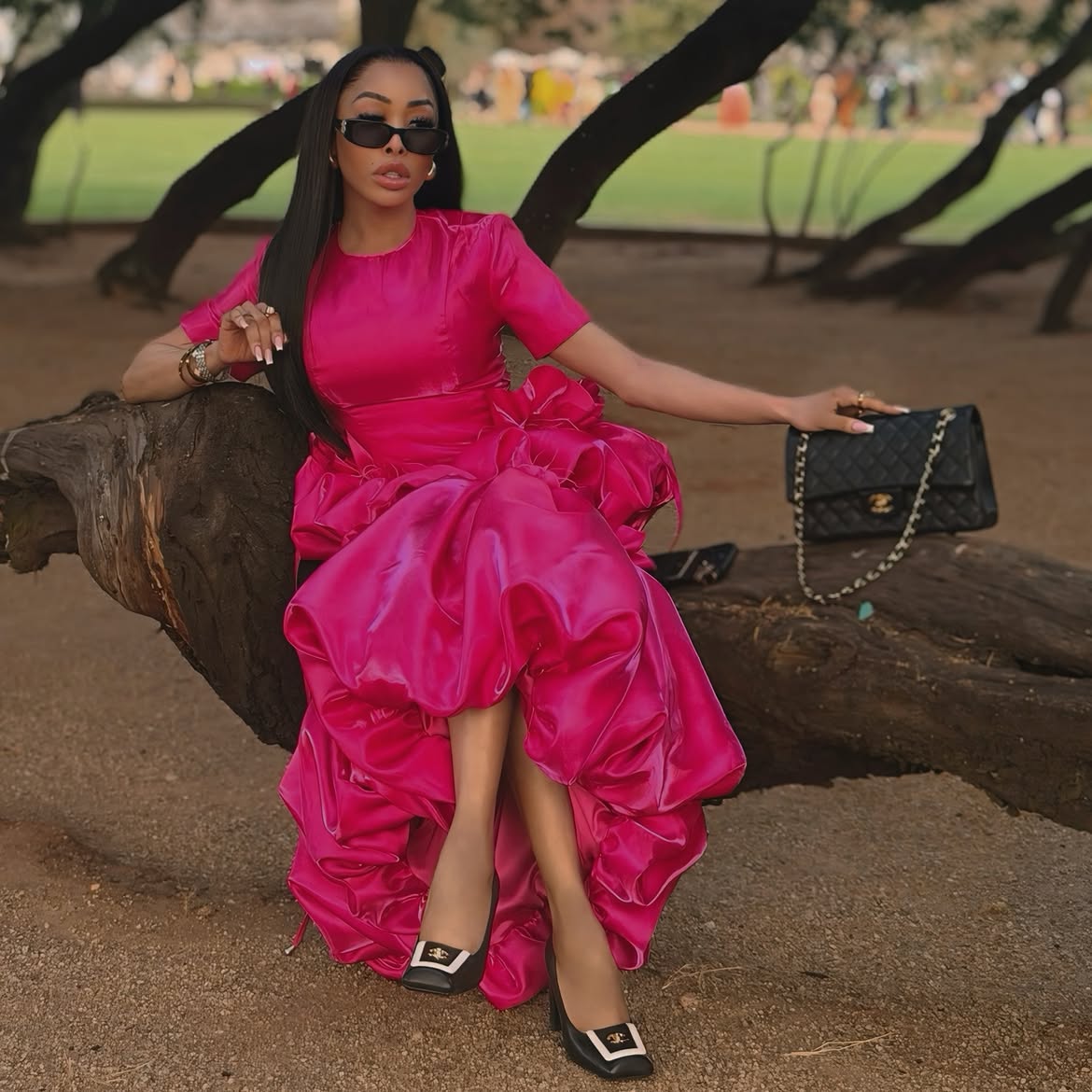
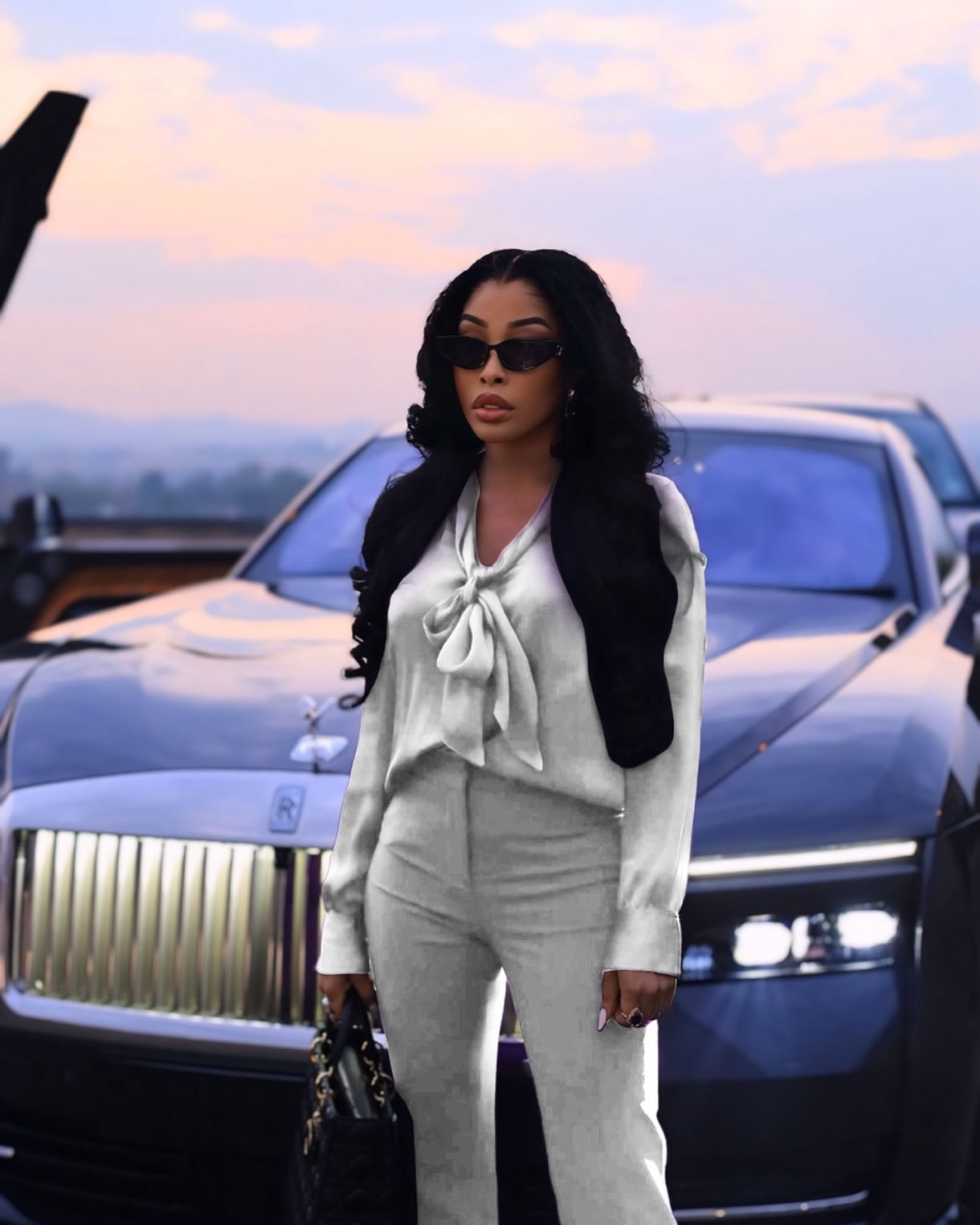
Beyond acting and television, Khanyi has also explored entrepreneurship, including I Am Khanyi, a gin brand launched under her name. Her appearance on Young, Famous & African subsequently placed her lifestyle, career, and personality within one of Netflix’s first major African reality franchises. Netflix’s official page lists her among the show’s principal cast alongside personalities including Zari Hassan and Swanky Jerry.
Her career continues to combine entertainment and personal-brand opportunities. That combination is important because Khanyi’s relevance does not depend solely on reality television. She represents a celebrity brand that existed before the show and became even more visible because of it.
10. Dr. Sara Al Madani | The Real Housewives of Dubai
Dr. Sara Al Madani entered The Real Housewives of Dubai with something many reality-TV newcomers do not have: a long-established entrepreneurial career.
Bravo describes Sara as a multi-award-winning Emirati serial entrepreneur who started her first business at 15. She has also served on the board of the Sharjah Chamber of Commerce and Industry and the UAE SME Council within the Ministry of Economy, alongside her work as a public speaker.
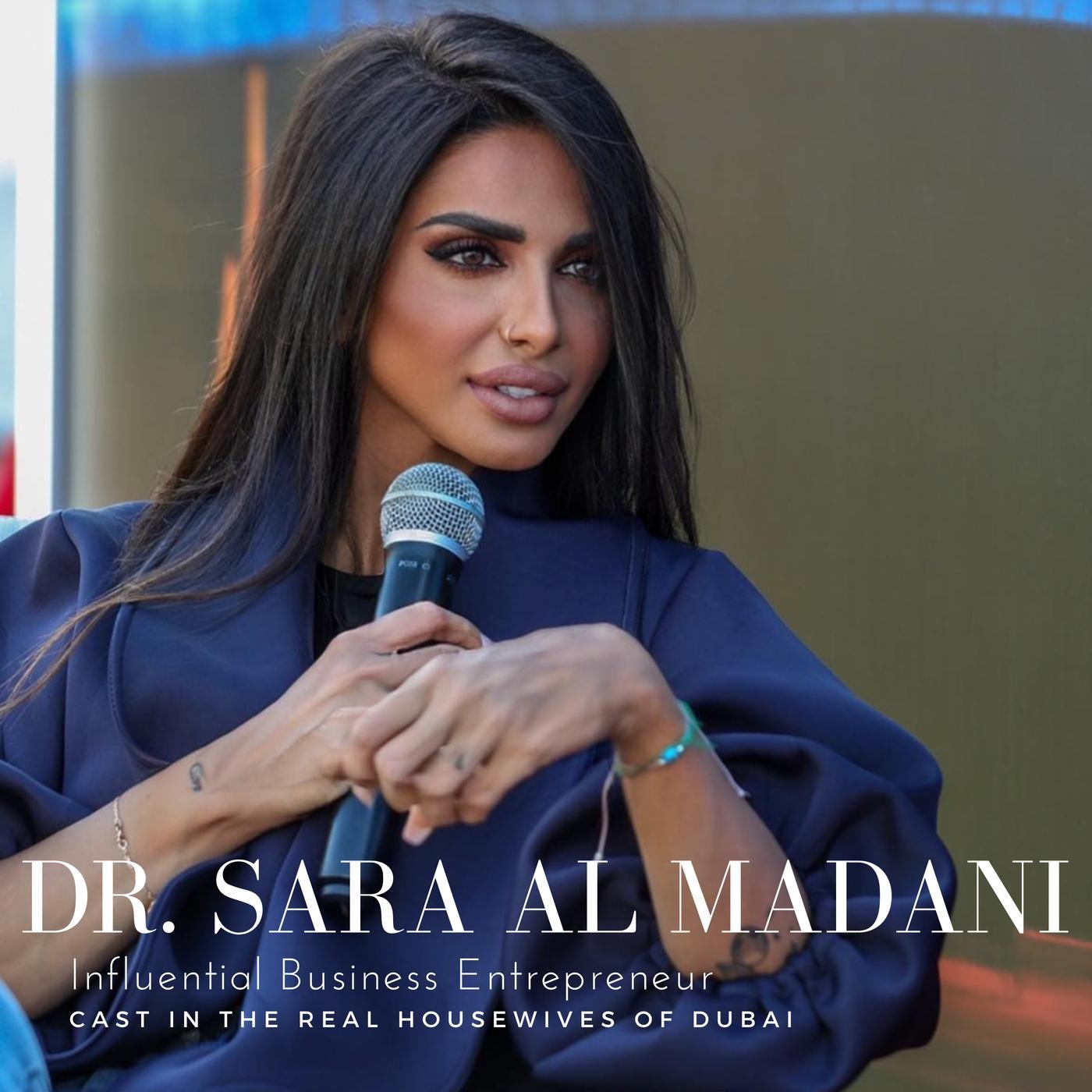
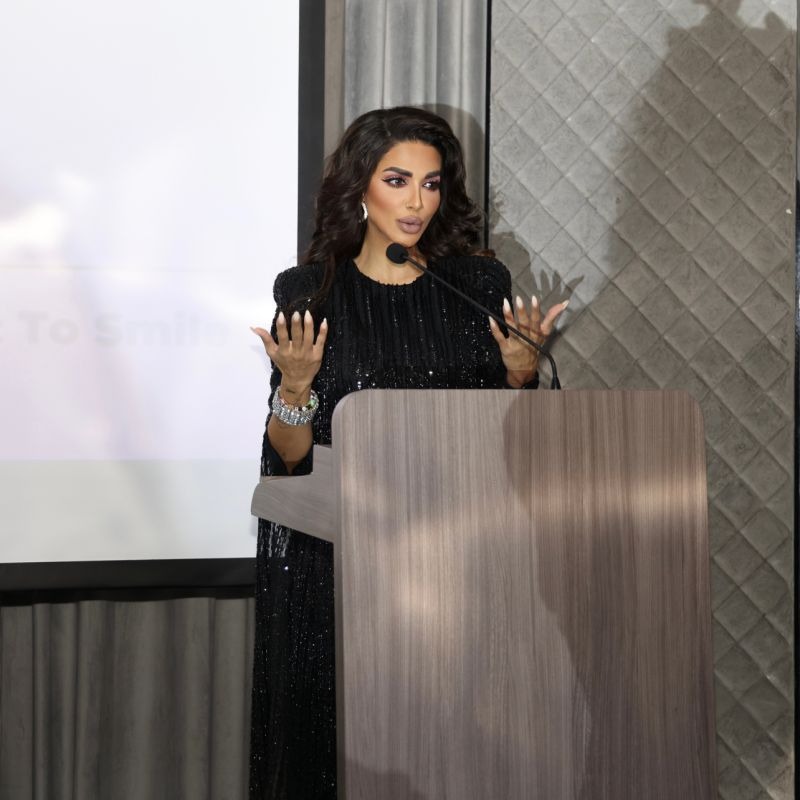
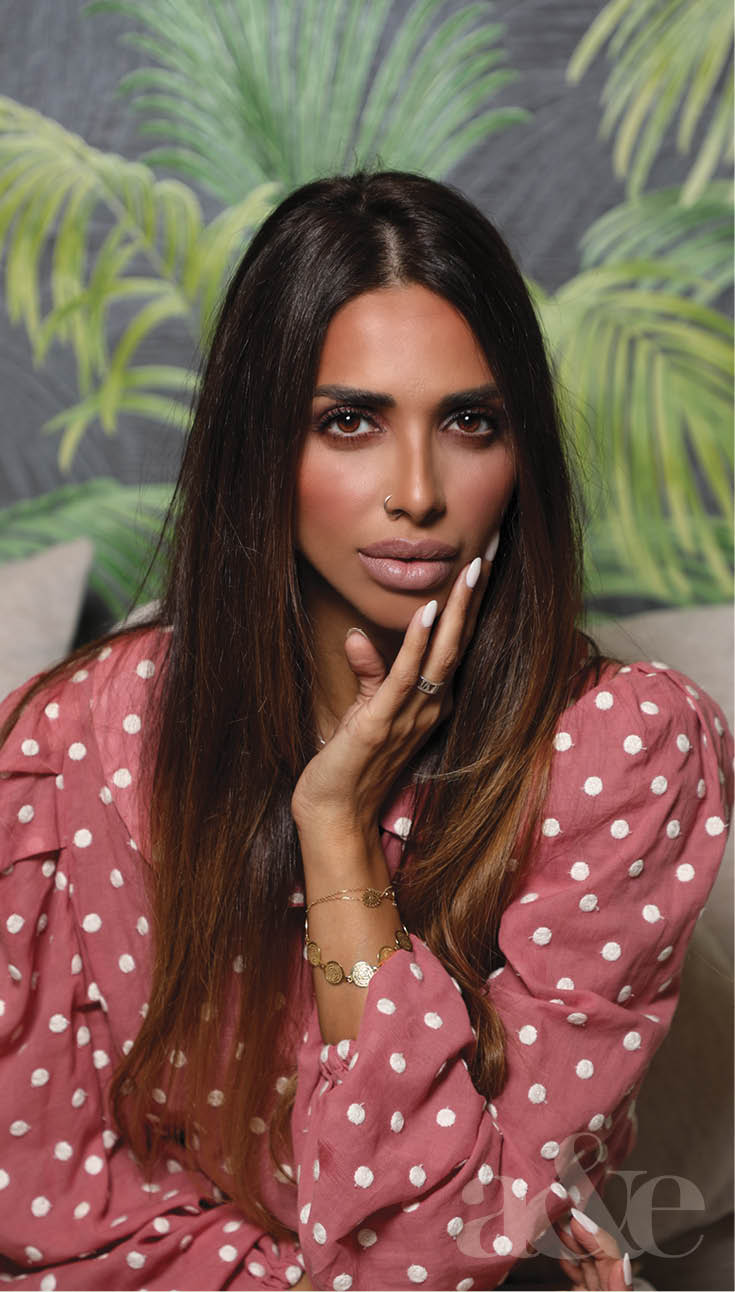
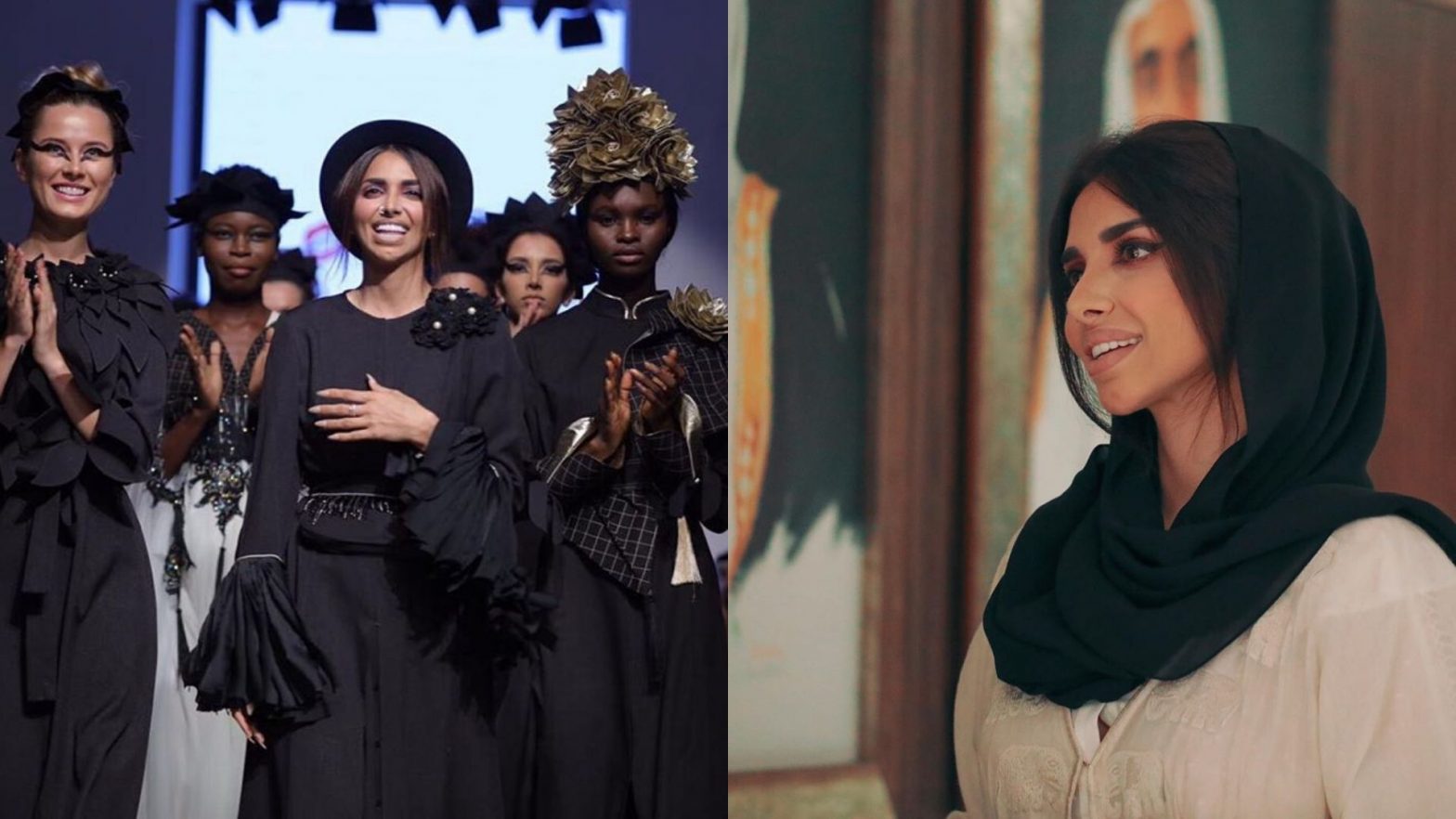
Her reality-TV appearance therefore sits alongside a much broader professional identity. The show gives viewers access to her lifestyle and personality, but her entrepreneurial background provides the substance behind the public image.
Sara is a strong example of how reality TV can be used as an amplifier of expertise, business, and personal branding, rather than the source of those achievements.
11. Zari Hassan | Young, Famous & African
Zari Hassan, popularly known as Zari the Boss Lady, has built a public identity around entrepreneurship, education, and philanthropy. Her career extends beyond entertainment, and she is identified by her foundation as the CEO of Brooklyn City College in South Africa.
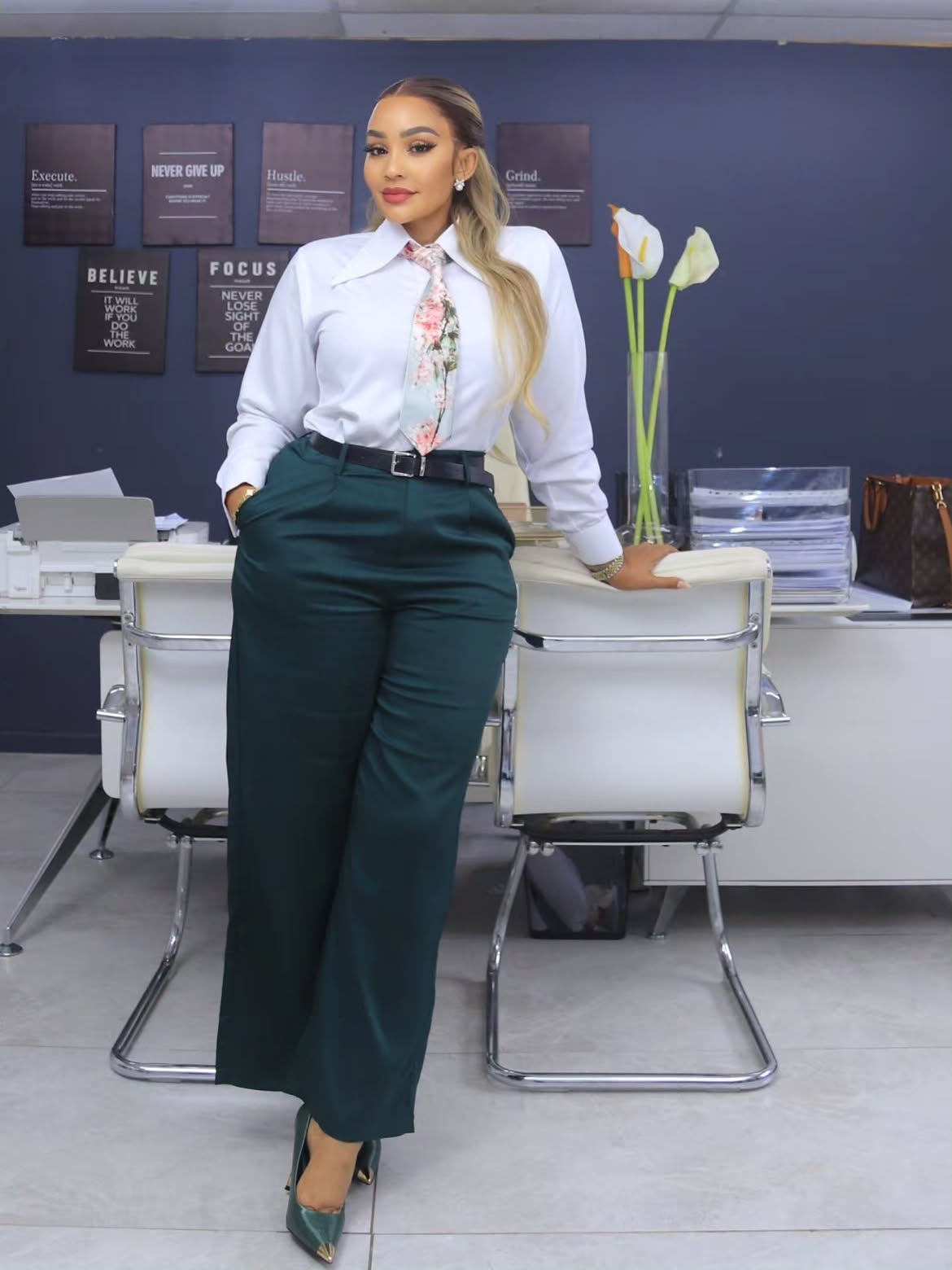
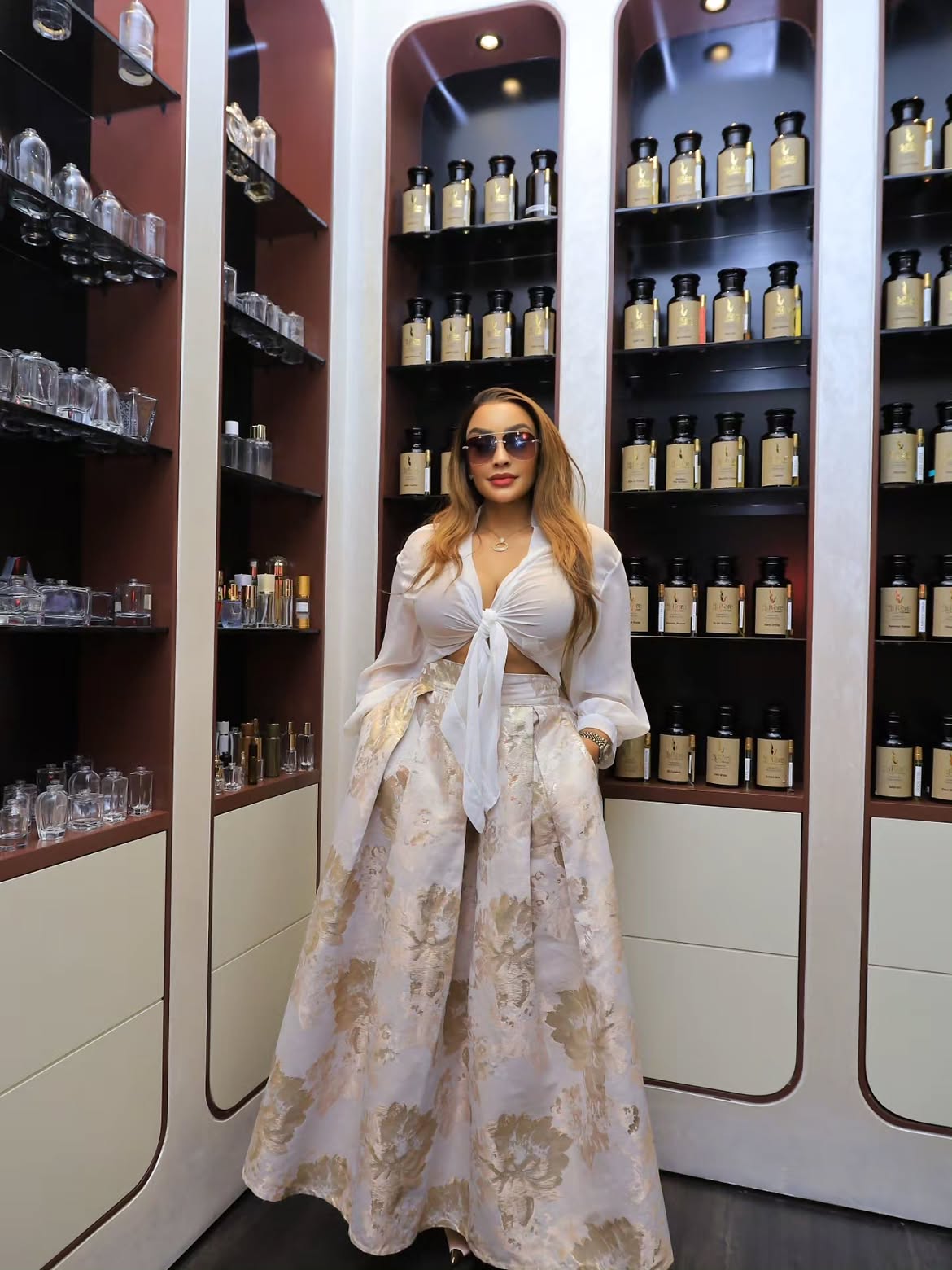
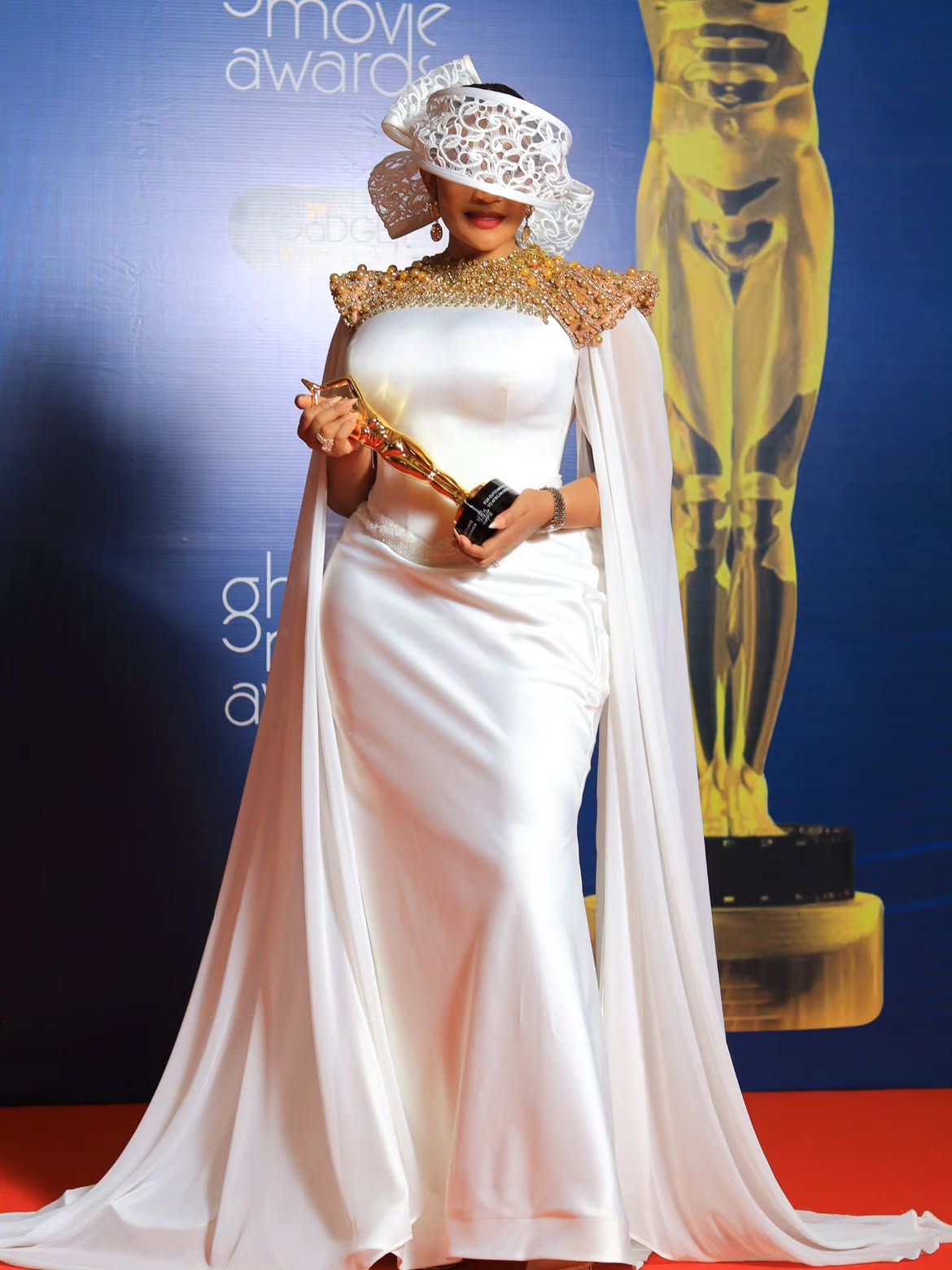
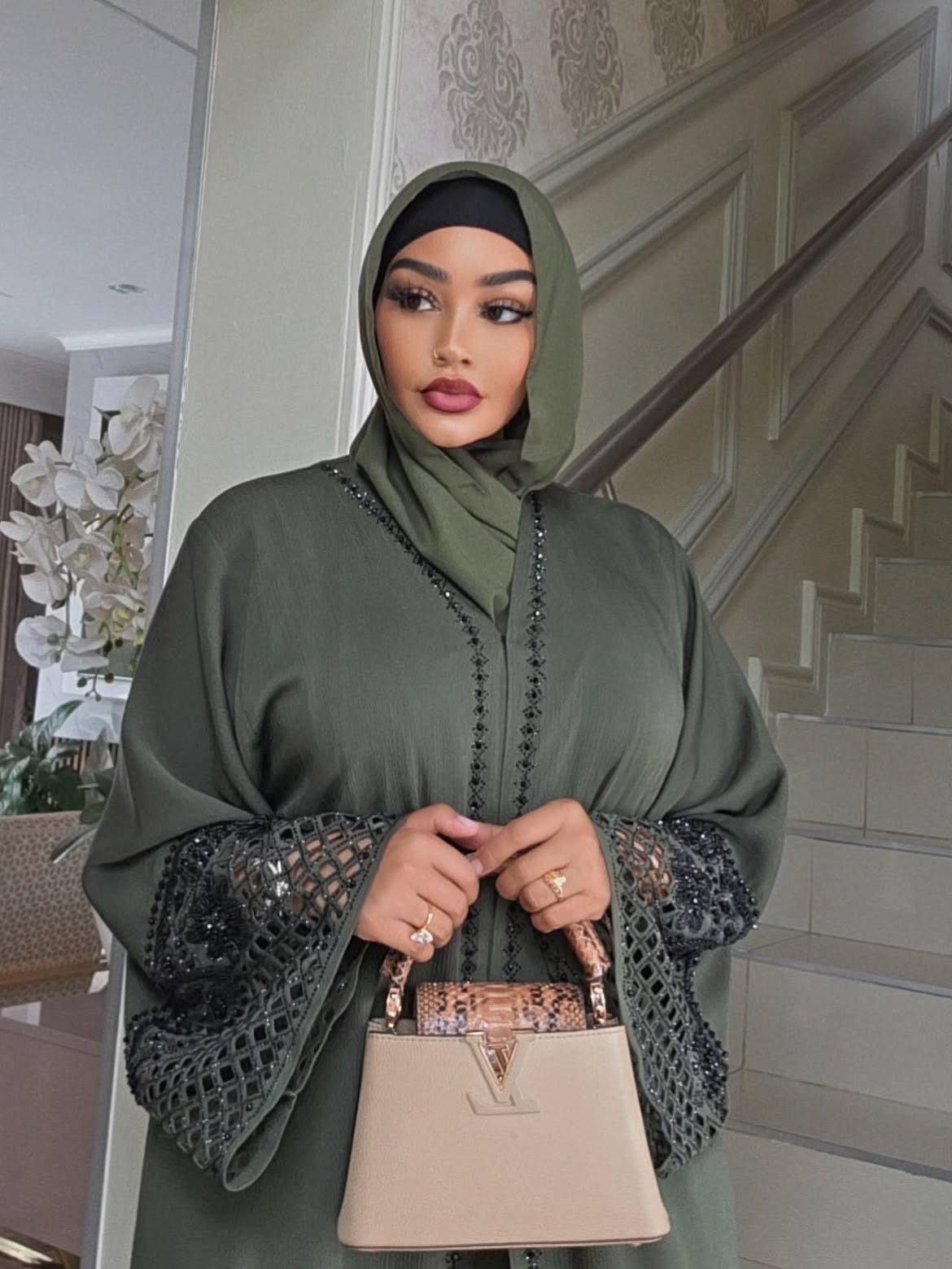
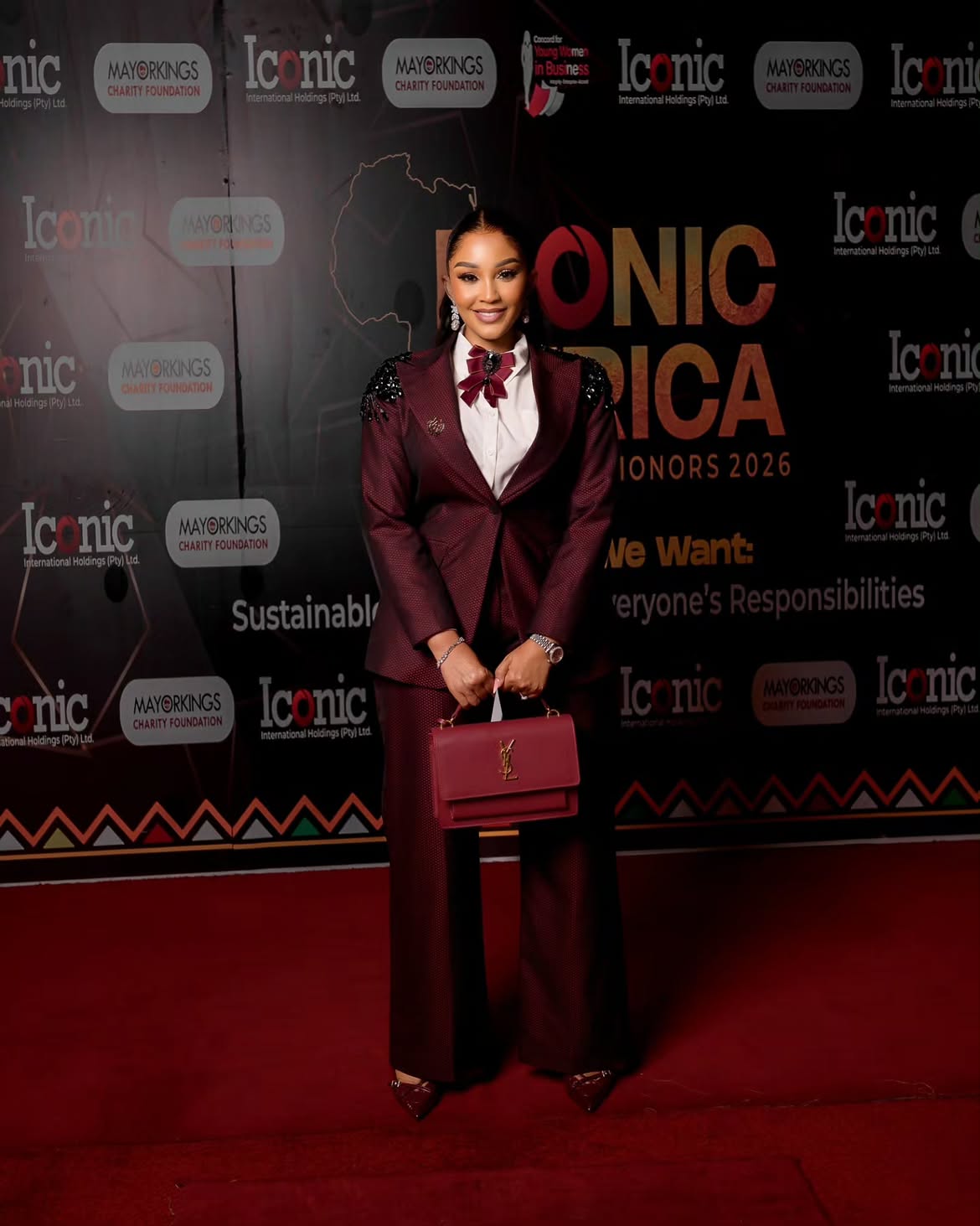
Her philanthropic work has also become an increasingly visible part of her public profile. The Zari Foundation supports children and communities in South Africa through education, food and essential support, clothing, sports opportunities, and community programs.
Young, Famous & African brought another layer of visibility to that identity. Netflix placed Zari among the show’s central cast alongside other established African entertainers and entrepreneurs.
For Zari, the reality show is therefore not the entire story. It is a highly visible chapter in a much larger journey involving business, education, philanthropy, and personal influence.
12. Mona Kattan | Dubai Bling
Mona Kattan’s story is perhaps one of the clearest examples of an established entrepreneur using reality TV to expand her public profile.
Before becoming a permanent cast member of Netflix’s Dubai Bling, Mona had already helped build a major beauty business. She co-founded Huda Beauty with her sisters before launching KAYALI in 2018, creating a fragrance brand that developed into an international business in its own right.
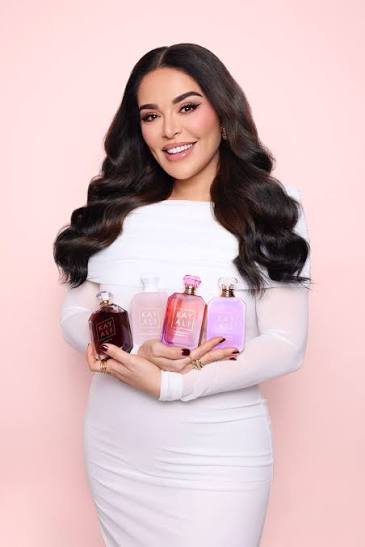
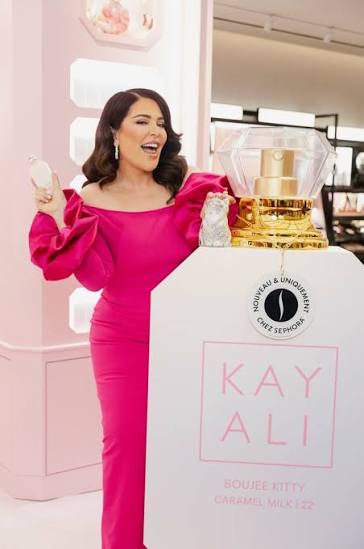
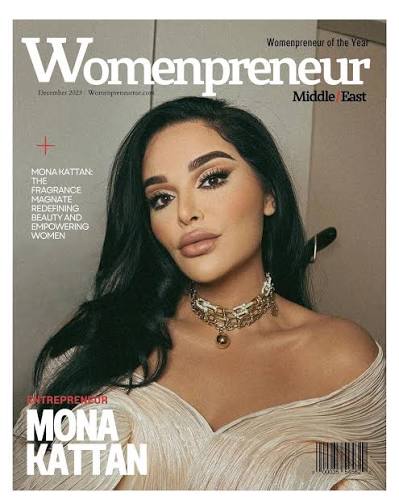
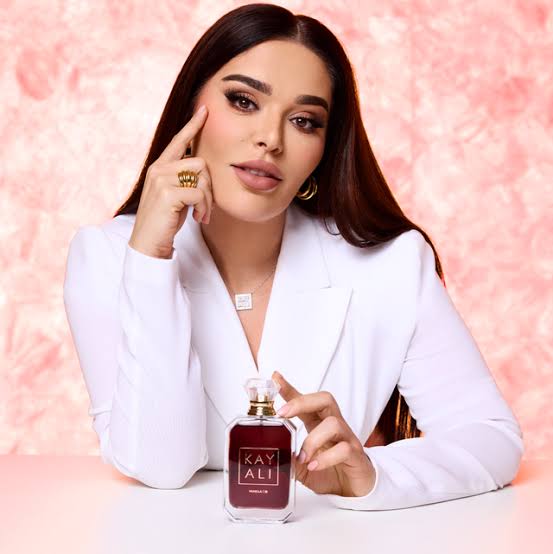
Forbes Middle East reported that by the end of 2024, KAYALI had 26 fragrances and five collections, with distribution across 30 countries and 2,690 stores. Forbes also ranked Mona among the Middle East’s 100 Most Powerful Businesswomen in 2025, identifying her as KAYALI’s founder and CEO.
Dubai Bling consequently did not make Mona an entrepreneur. It made an already established entrepreneur more recognizable as a public personality. Her story shows how television can bring the face, lifestyle, and personality behind a major company directly into people’s homes.
13. Ebraheem Al Samadi | Dubai Bling
Ebraheem Al Samadi brings a distinctly male perspective to the conversation around reality TV and entrepreneurship. Long before Dubai Bling, he had developed a career around retail, luxury products, and hospitality, including his association with Forever Rose and the wider Al Samadi business interests.
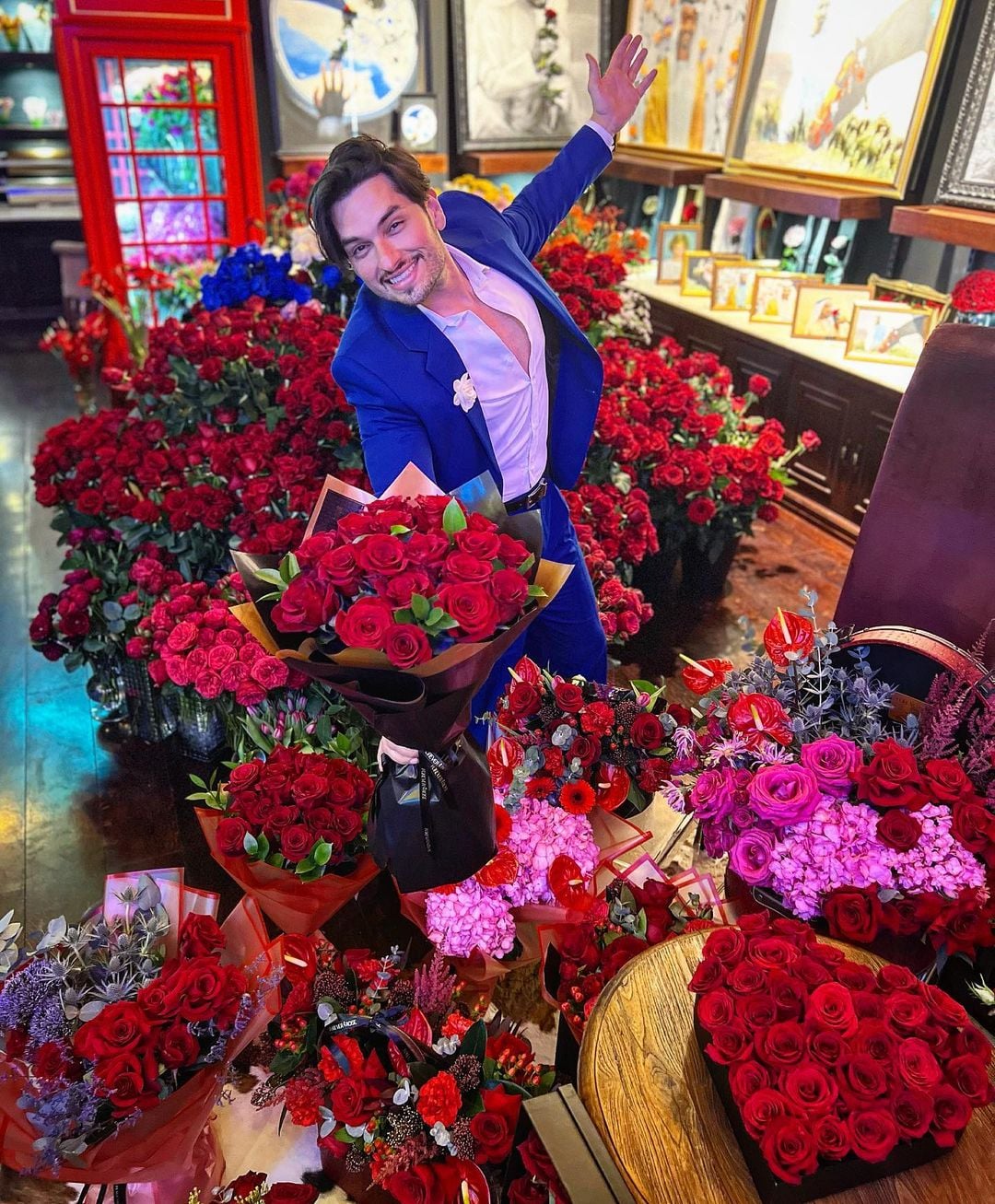
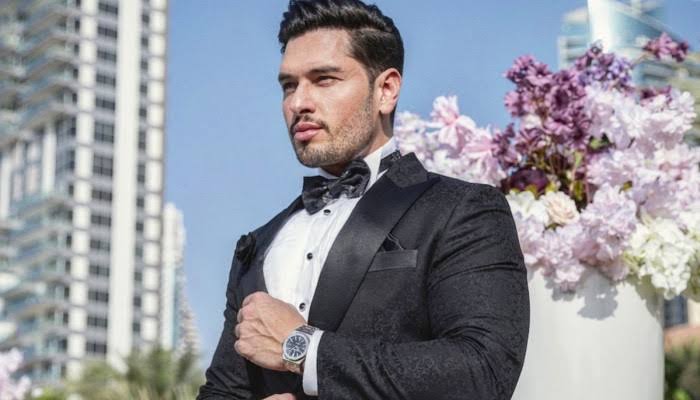
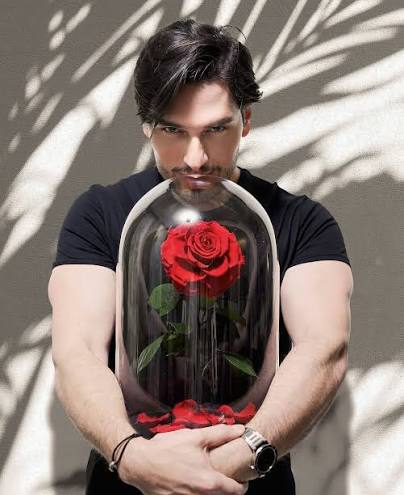
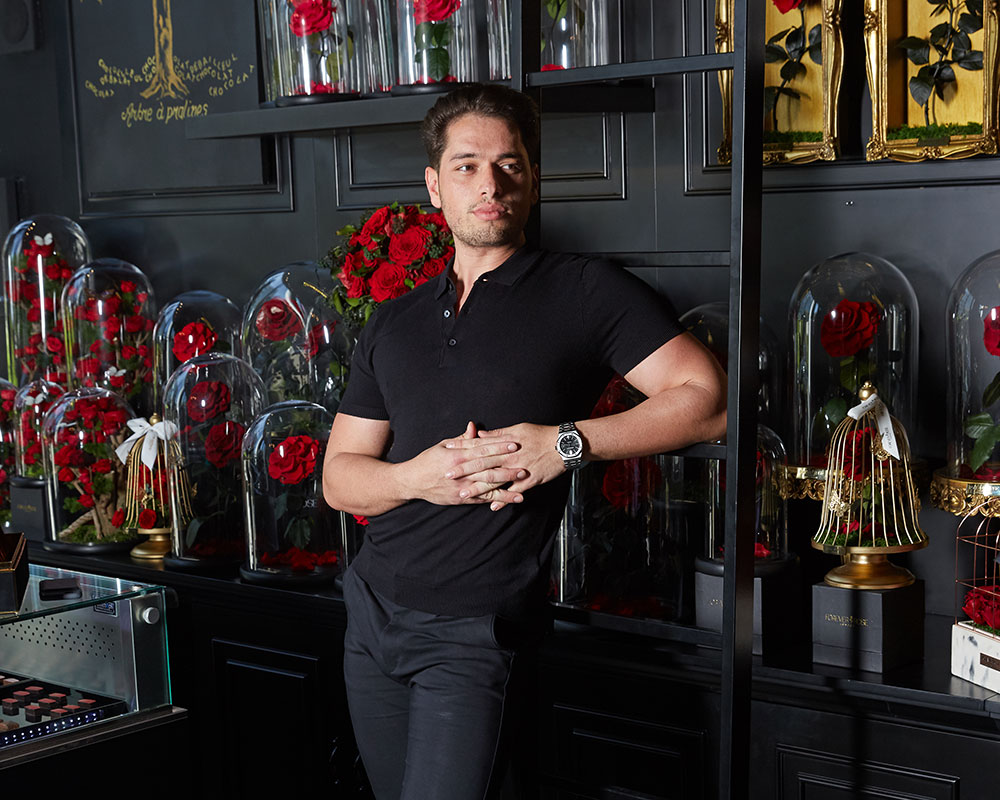
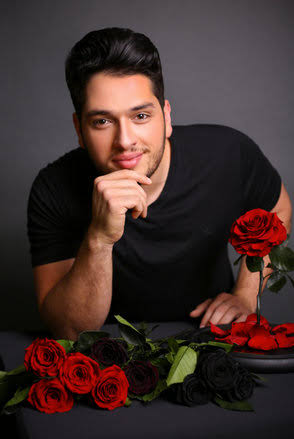
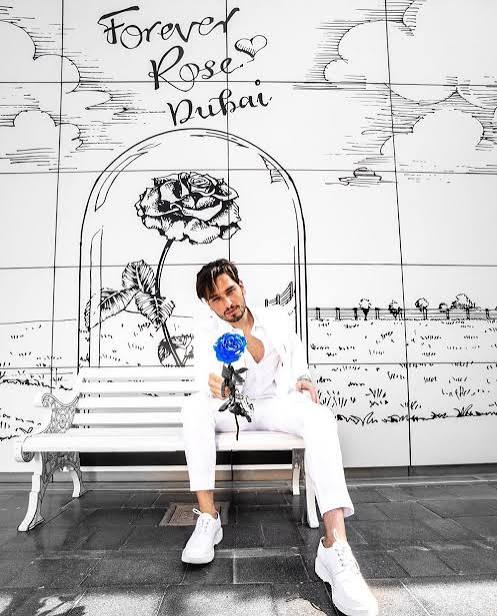
His connection to Forever Rose dates back years before the Netflix series. The National profiled him in 2016 in connection with the luxury preserved-rose business and its expansion in the UAE, showing that the commercial story was already underway long before viewers met him on television.
His business activities have continued to feature in the public record. UK Companies House records, for example, show Ebraheem as a director of Forever Rose London Retail Limited, although his directorship of that particular company ended in January 2026.
Dubai Bling therefore represents another amplifier story. The show introduced millions of viewers to Ebraheem’s personality, lifestyle, and ambitions, while his business background existed independently of the cameras.
What Happens After the Cameras Stop?
The most interesting thing about these personalities is that their stories are not identical.
For people such as Molly-Mae Hague, Olandria Carthen, Serena Page, Maura Higgins, and Rylan Clark, reality television became a major doorway into new opportunities. Their challenge was turning a temporary burst of attention into businesses, careers, partnerships, or platforms that could exist beyond the show.
For personalities such as Chioma Ikokwu, Swanky Jerry, Khanyi Mbau, Dr. Sara Al Madani, Zari Hassan, Mona Kattan, and Ebraheem Al Samadi, the story is slightly different. They already had businesses, careers, or established public identities, and reality television gave those existing achievements another level of visibility.
That is perhaps the bigger lesson behind reality television today. Fame can create attention, but attention alone does not create a lasting career. What comes after the show often tells us much more about a person’s ambition, creativity, and ability to build.
For UncutXtra, that is the part of reality culture worth exploring. The cameras may introduce people to the world, but what they build after the cameras stop is what gives the story another chapter.
Check out our previous post on 5 Simple Grooming Habits That Make You Look Put Together.
Follow all our social media platforms on Uncutxtra Magazine Linktree.