Changing your hair can completely change how you feel about your look. One week you might want a sleek wig; the next you might be booking a sew-in, while another month calls for a fresh set of braids. With so many options available, however, choosing your next hairstyle is not always as simple as saving a picture from Instagram and taking it to your stylist.
At UncutXtra, we believe a good hair decision should go beyond how a style looks in a photograph. Your budget, lifestyle, maintenance routine, desired versatility, and the condition of your natural hair and scalp all deserve consideration. Whether you choose a wig, sew-versatility, or braids, understanding what you are committing to can help you spend your money more wisely and enjoy the style for longer.
Wigs: For Versatility and Easy Style Changes
Wigs have become a popular way to switch between looks without committing your natural hair to one permanent style. From straight and layered looks to curls, bobs, and textured styles, there is considerable variety in both appearance and construction. When buying one, factors such as cap construction, hair type, size, density, length, and styling needs can affect how natural, comfortable, and practical the wig feels.

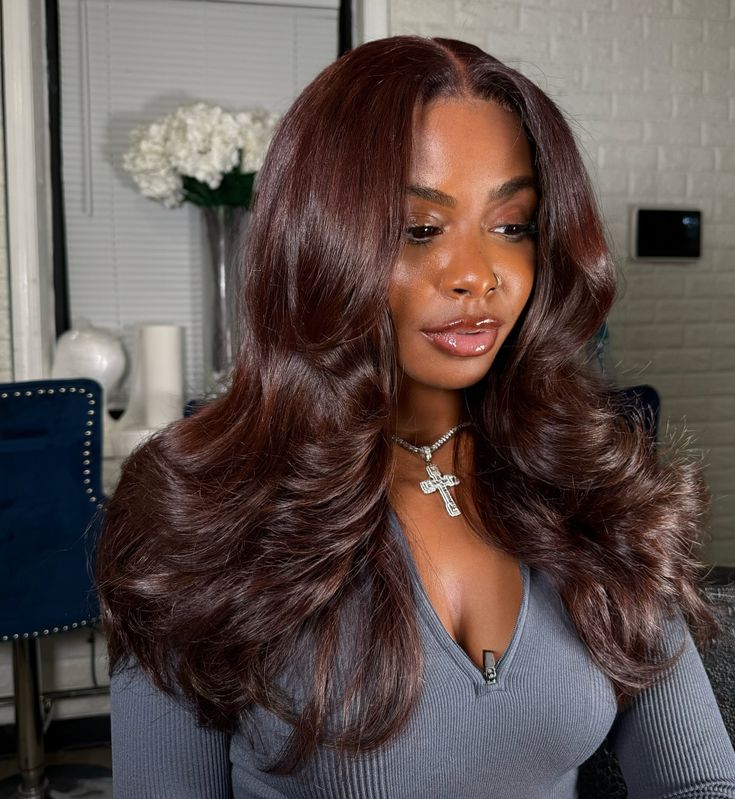
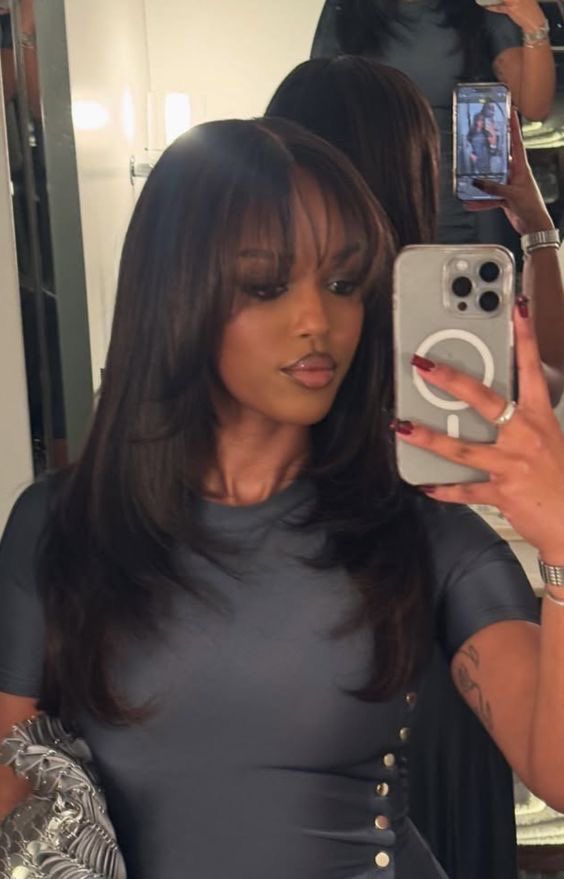
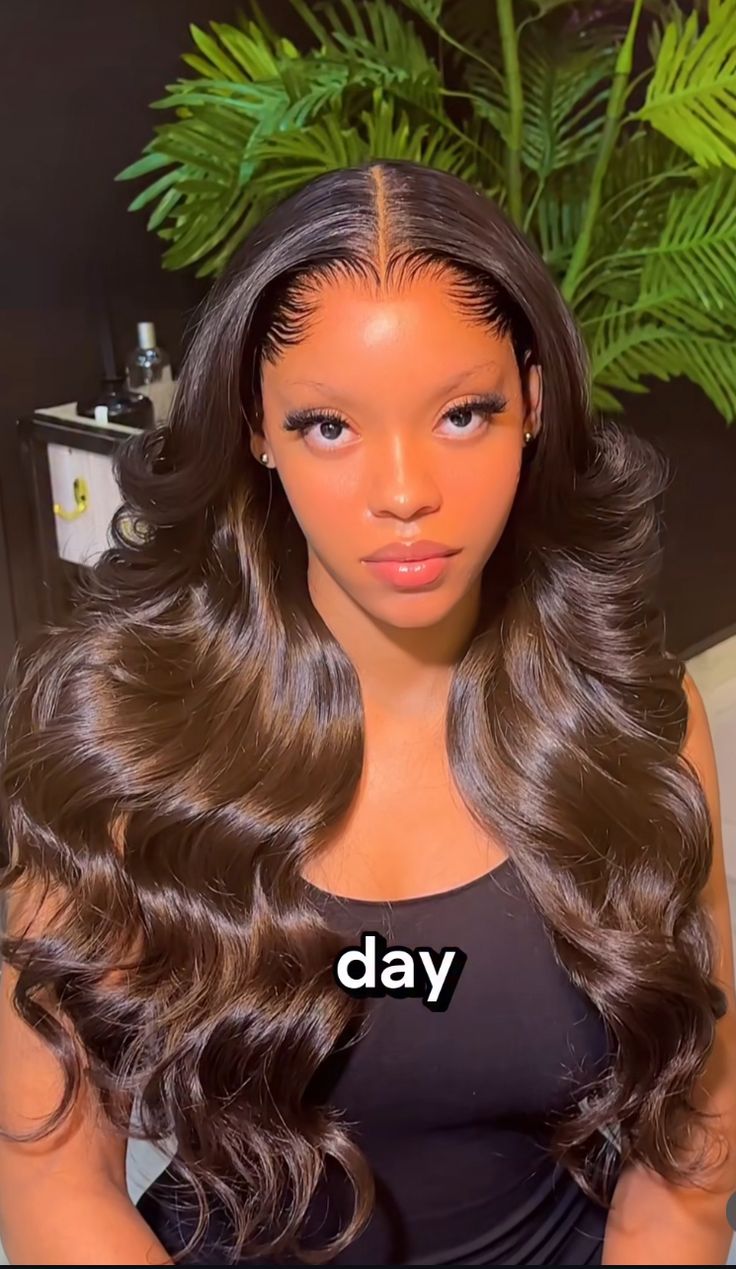
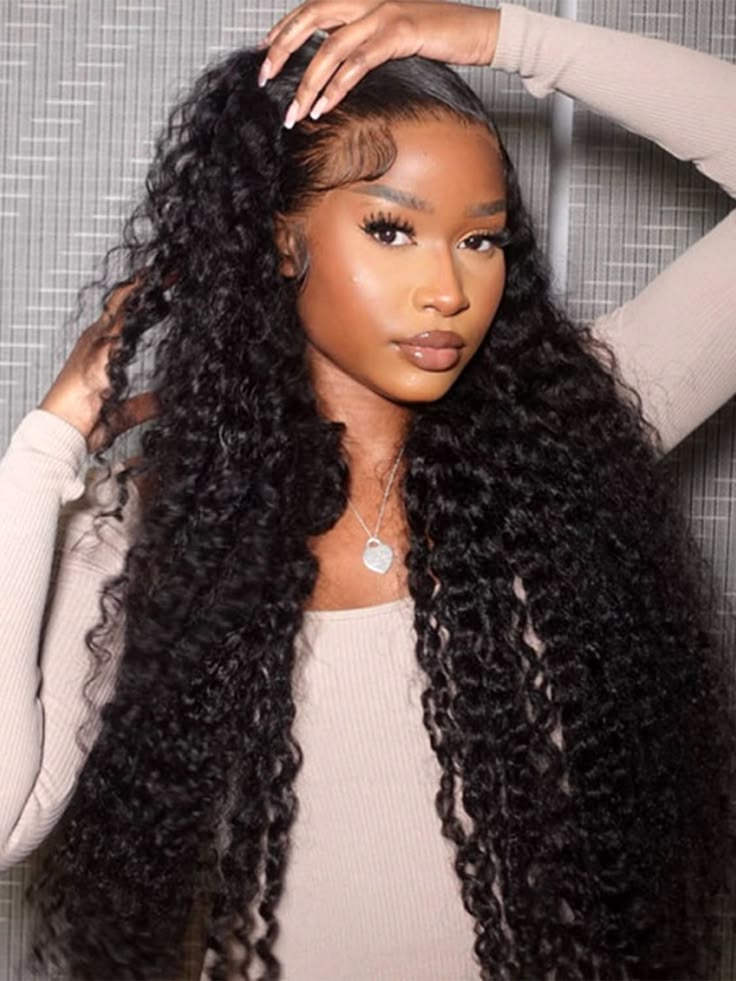
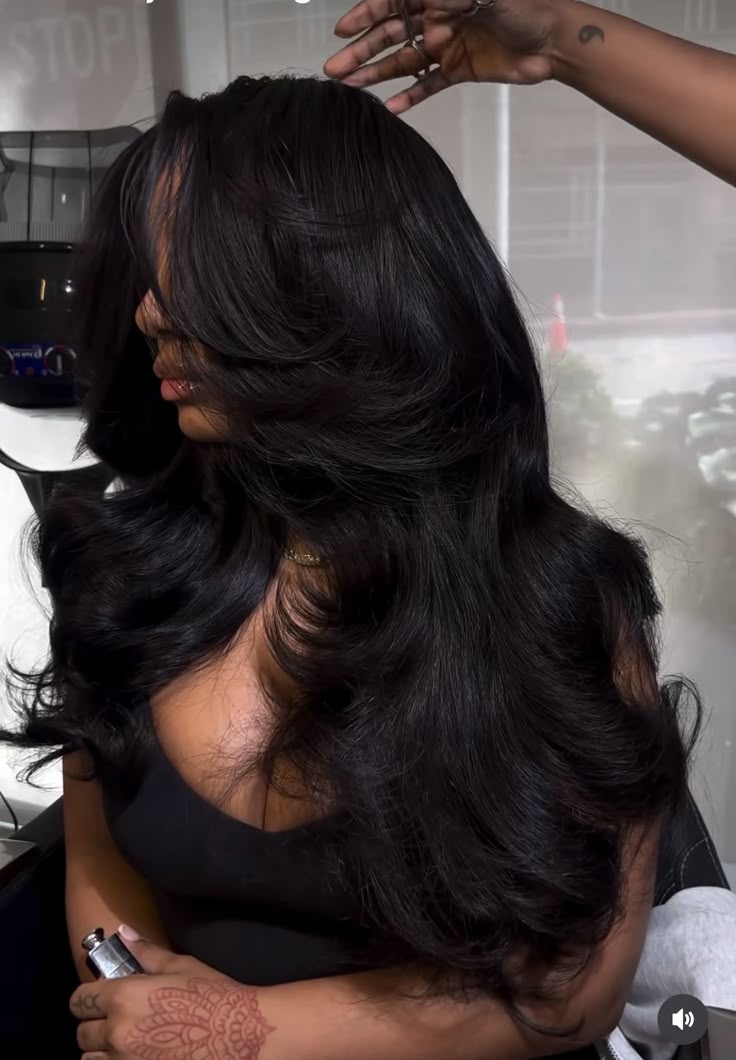
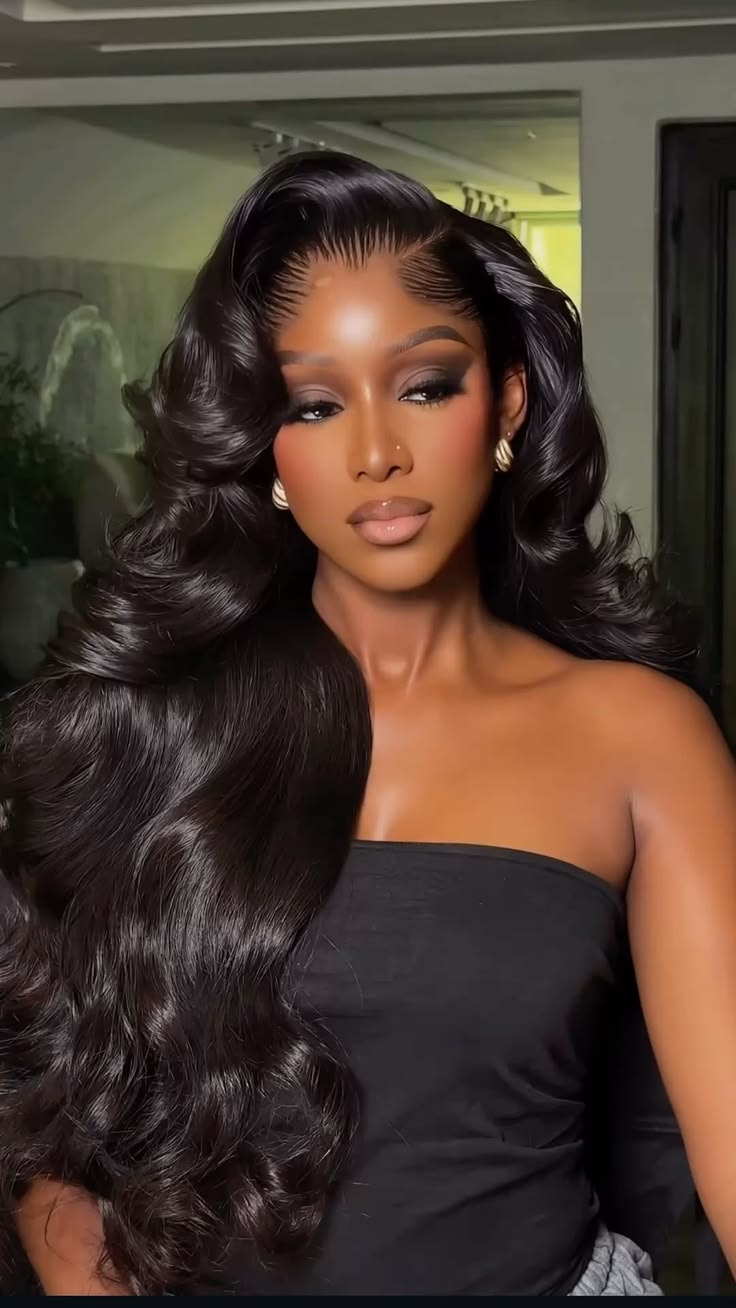
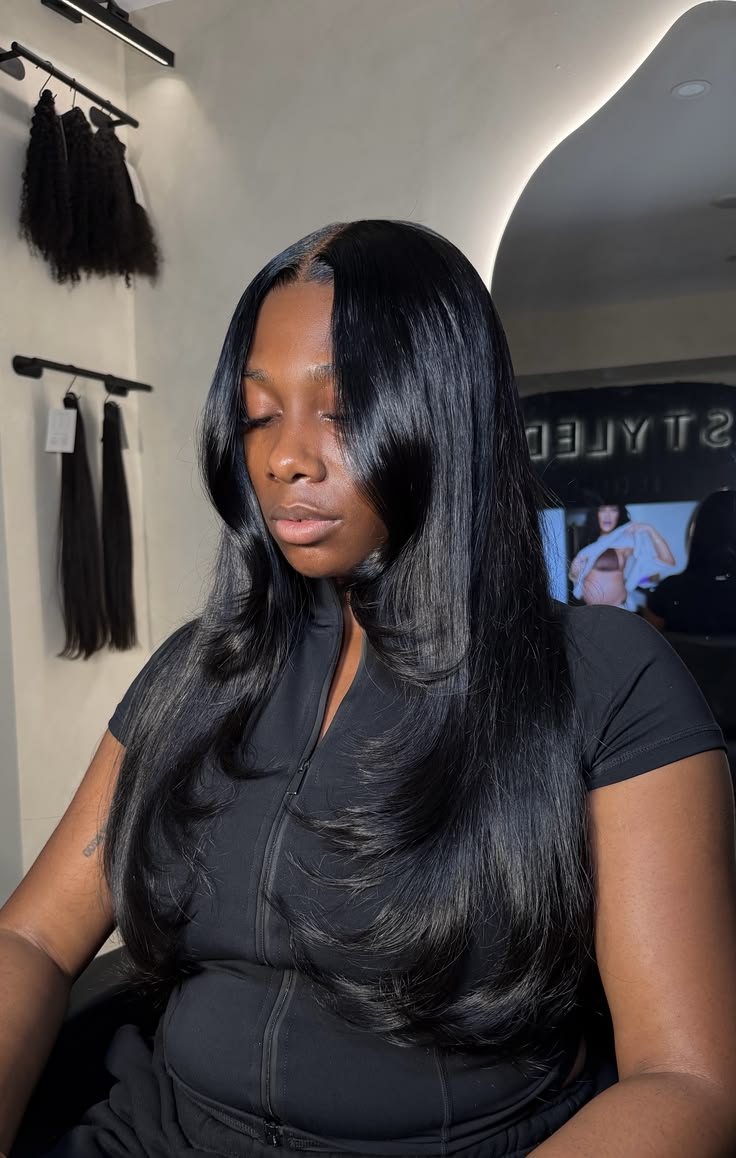
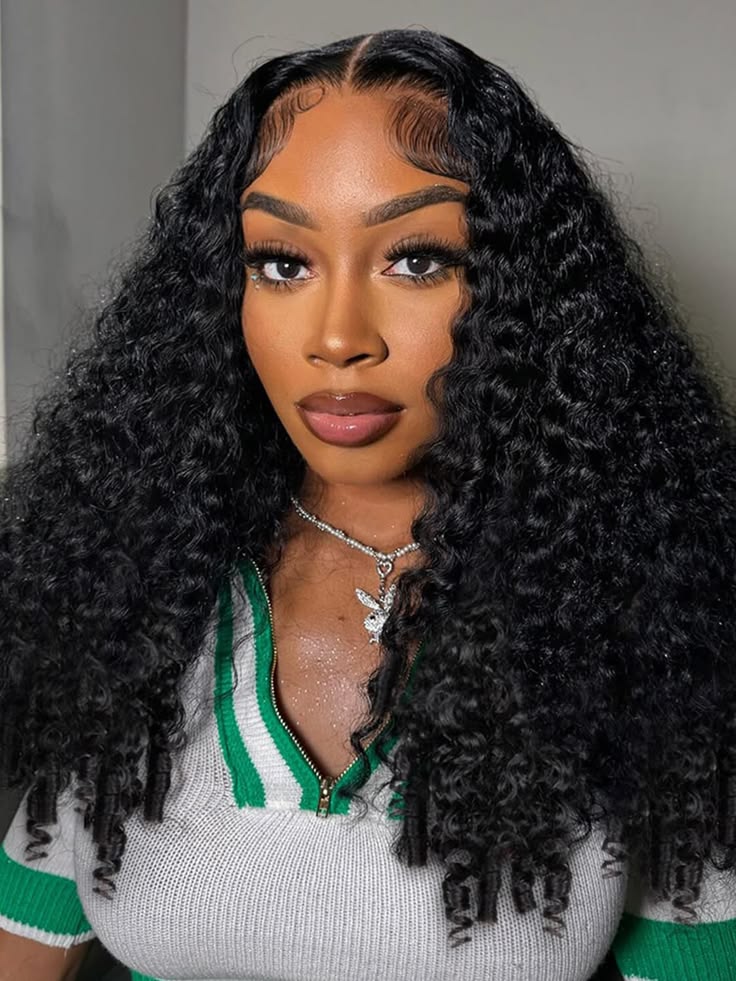
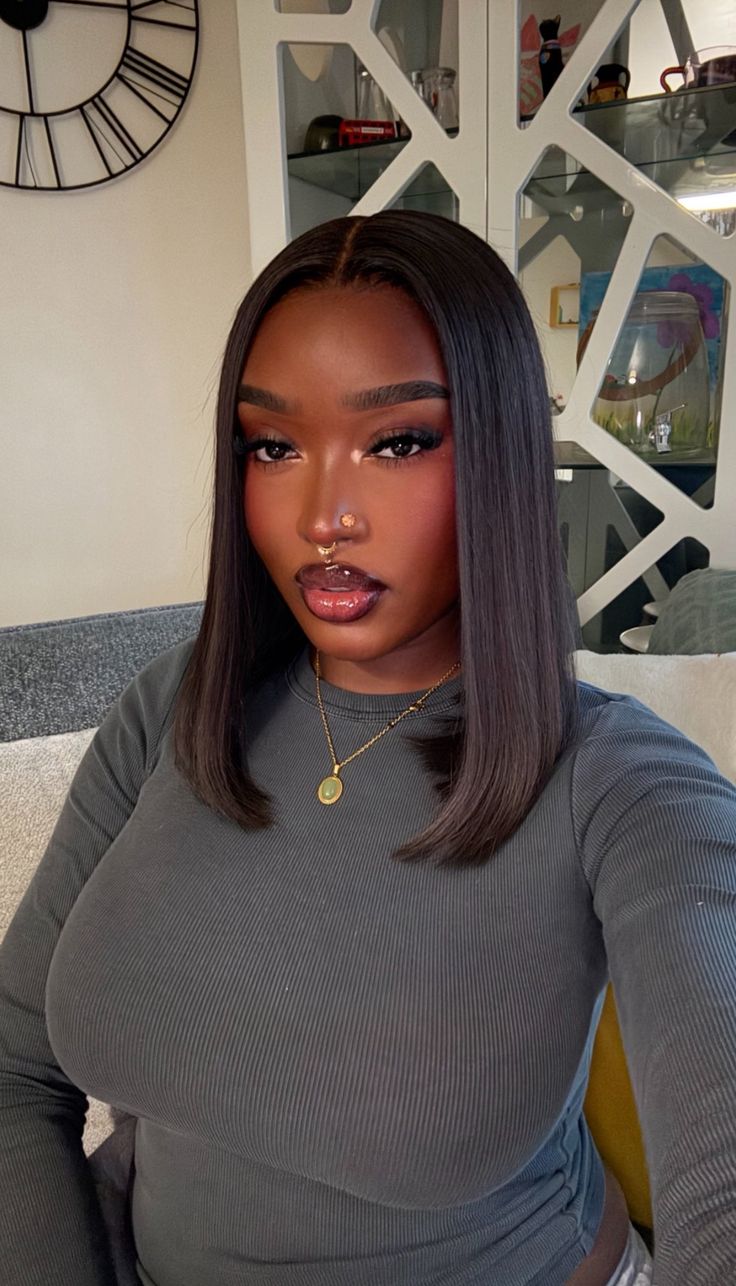
Human hair generally offers more flexibility for restyling and heat styling, while synthetic options can be more affordable and may require less daily styling. However, neither automatically makes a wig the right purchase for everyone. If you rarely wear wigs, paying significantly more for features you will not use may not make sense. If you plan to wear one frequently and want to change the style, investing in quality, fit, and versatility may be more worthwhile than choosing based on price alone.
Sew-Ins: A More Installed Approach
For someone who prefers having their chosen hairstyle installed and ready to wear, a sew-in can be a practical option. Weaves can add length, volume, and styling possibilities, while different closures and frontal options can change the final appearance. They can also suit people who do not want to remove and reinstall a wig regularly.
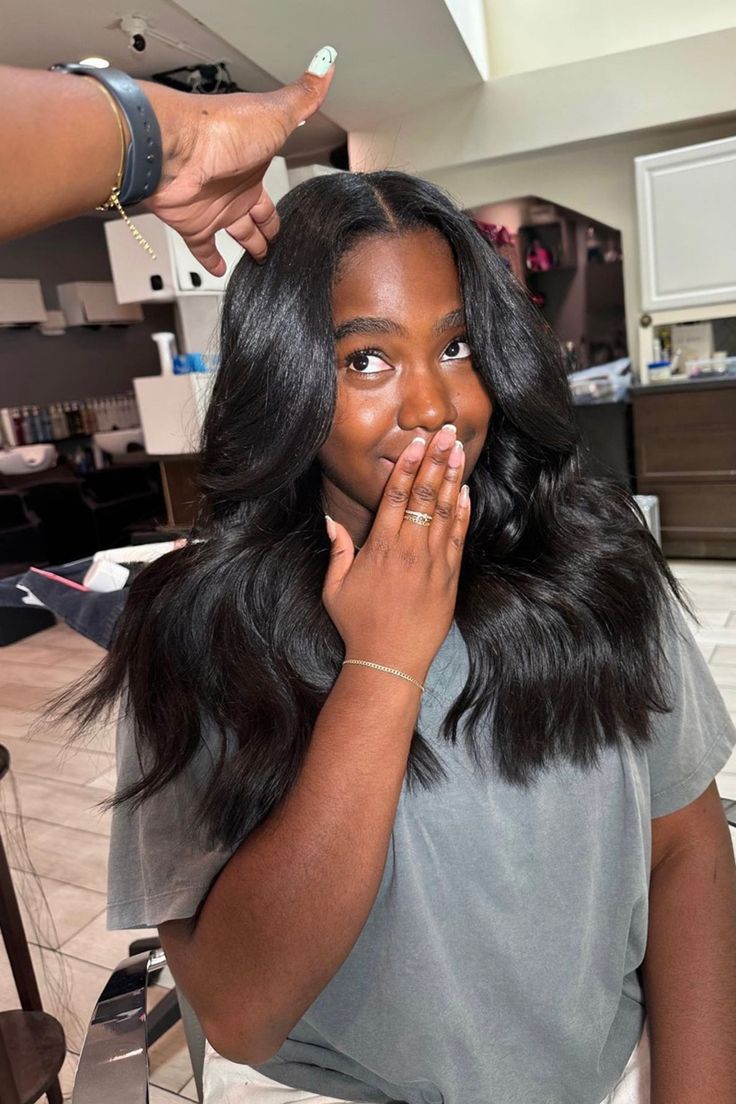
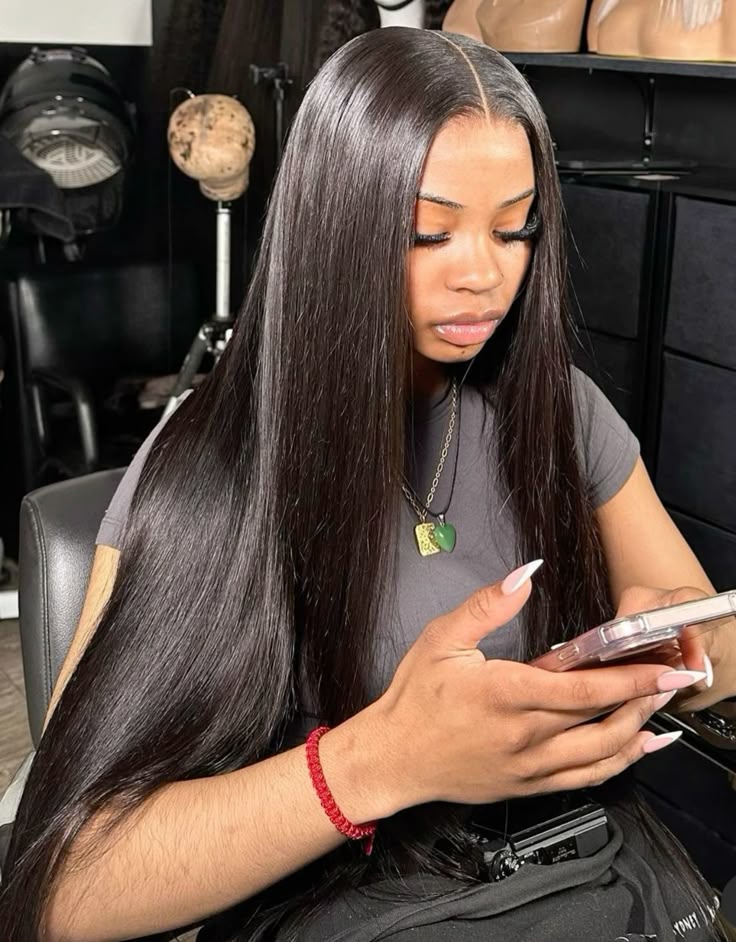
But the quality of the installation matters. A sew-in should not leave you dealing with persistent pain, headaches, or excessive tension. The American Academy of Dermatology notes that weaves and extensions can contribute to hair damage and hair loss when they place repeated stress on the hair. It recommends professional installation, avoiding tight cornrows underneath and removing a style if it causes pain or irritates the scalp.
Braids: Variety With Maintenance to Match
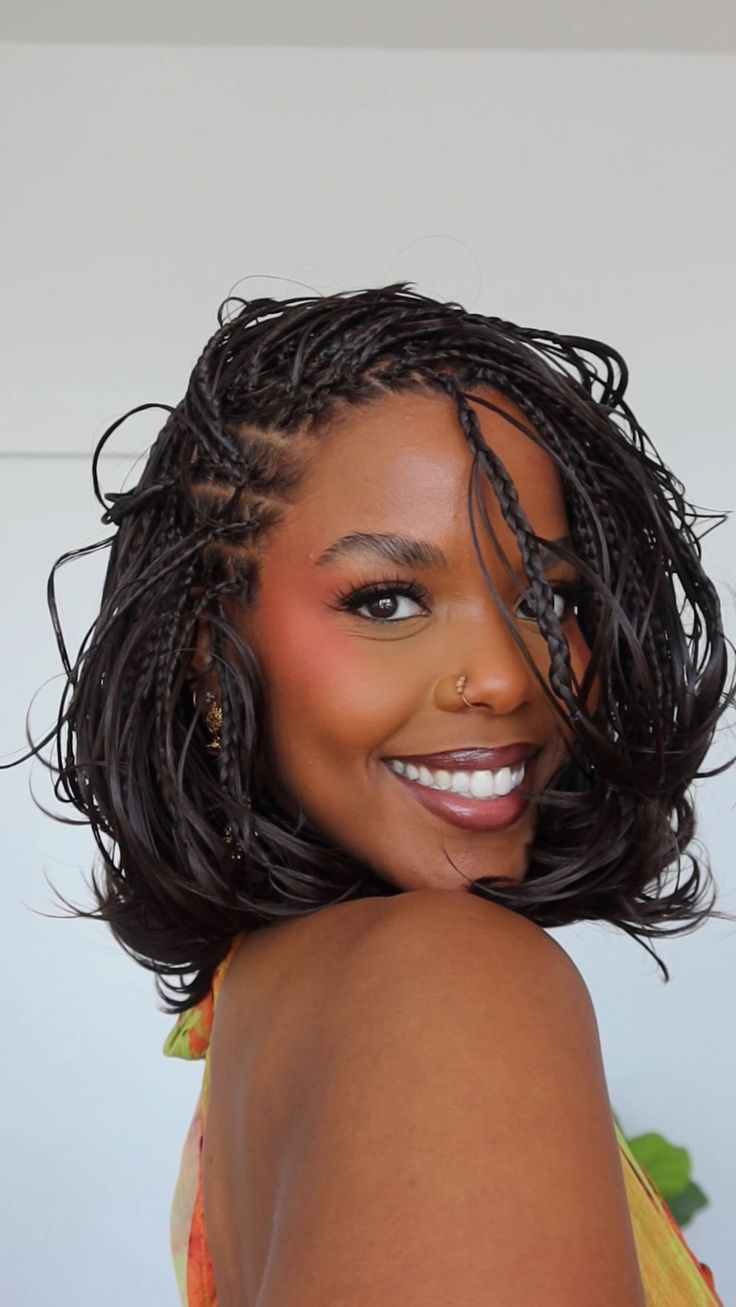
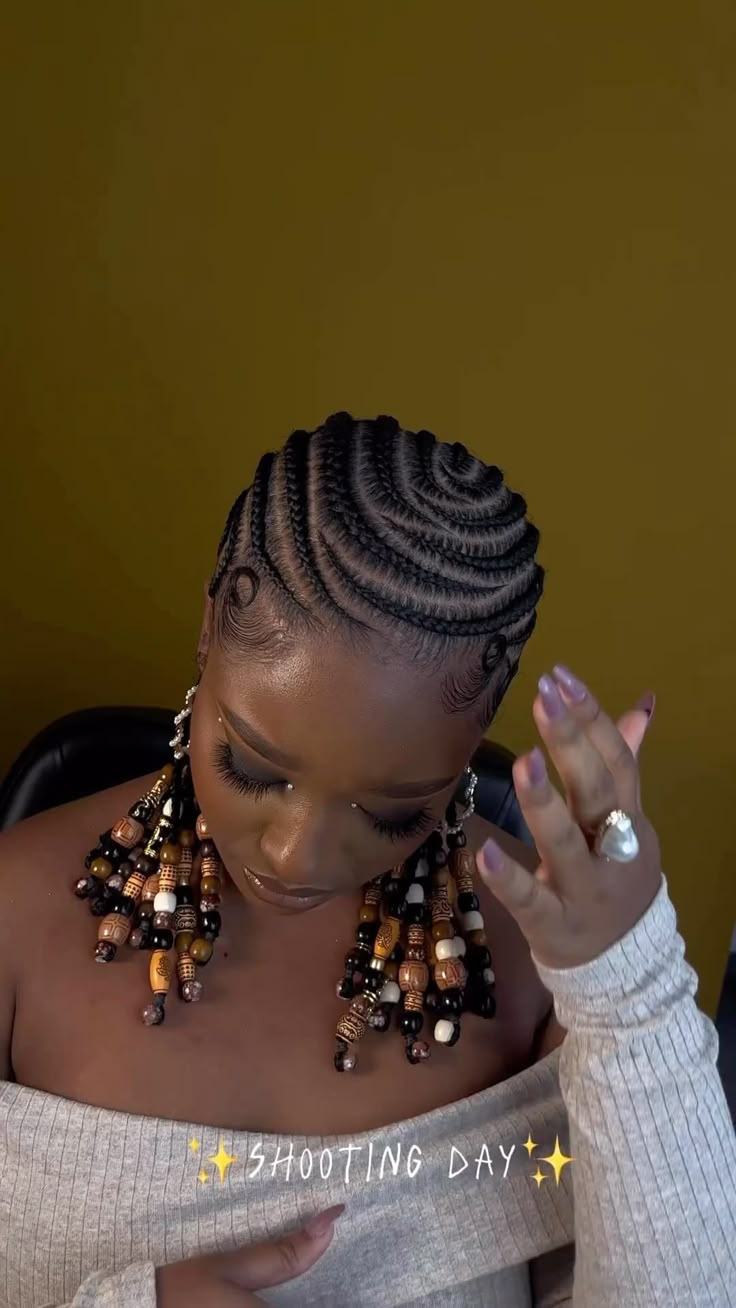
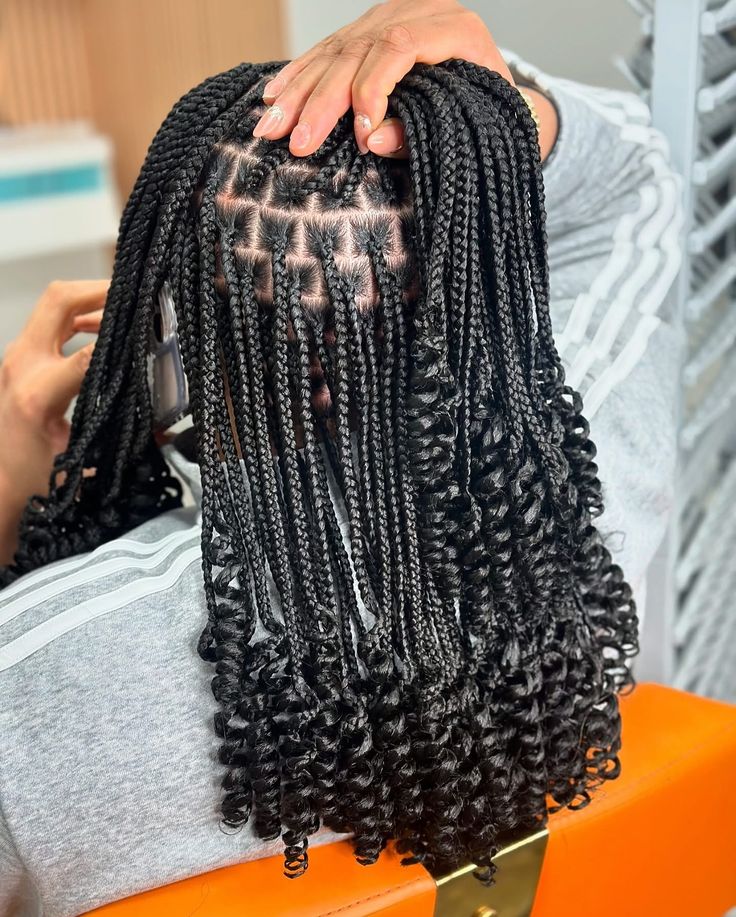
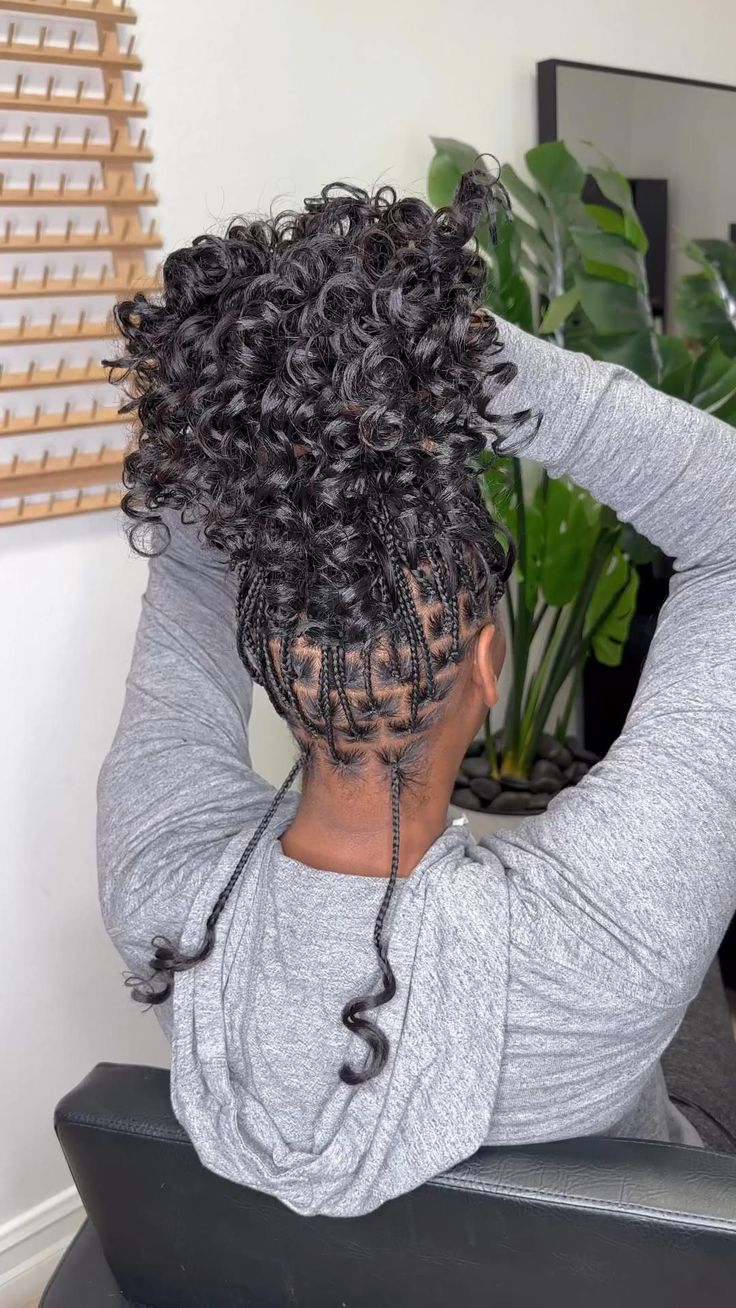
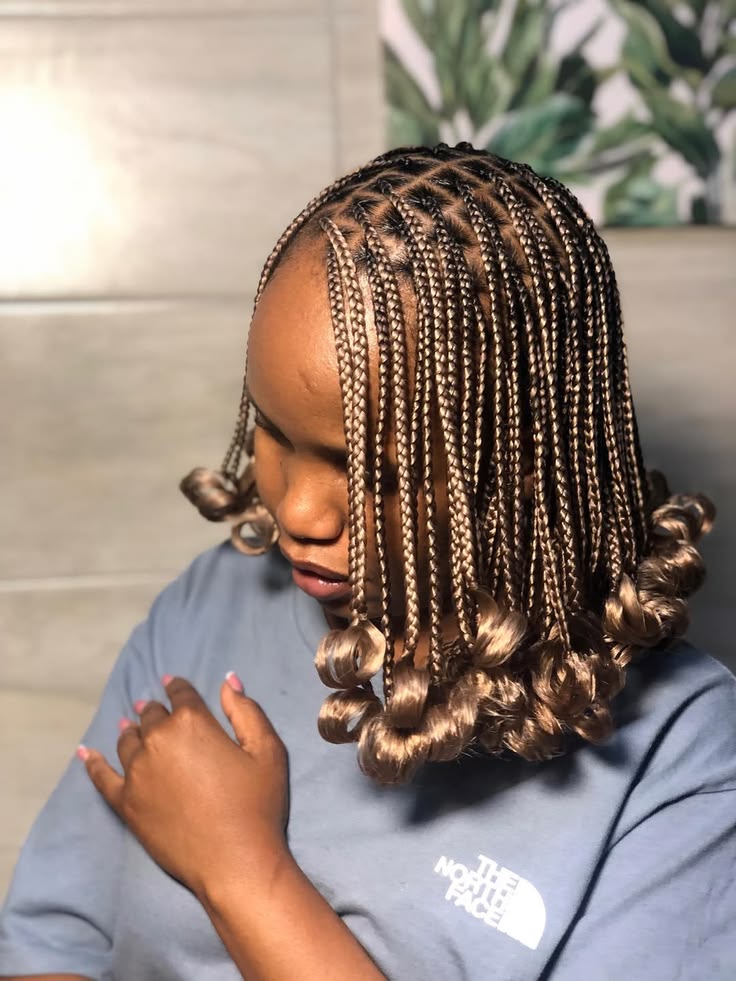
Braids and attachments remain popular because they offer a huge range of possibilities. You can choose from simple styles, intricate patterns, short braids, long braids, twist brushes, and countless combinations of color and texture. For someone who wants a style that can remain in place without daily restyling, braids can be convenient.
However, longer or heavier braids can place more weight and tension on the hair, particularly when they are installed tightly. Dermatologists recommend loosening styles around the hairline, avoiding excessive tension and switching hairstyles regularly. The AAD also recommends keeping braids and locs relatively short and avoiding keeping braids in for longer than six to eight weeks.
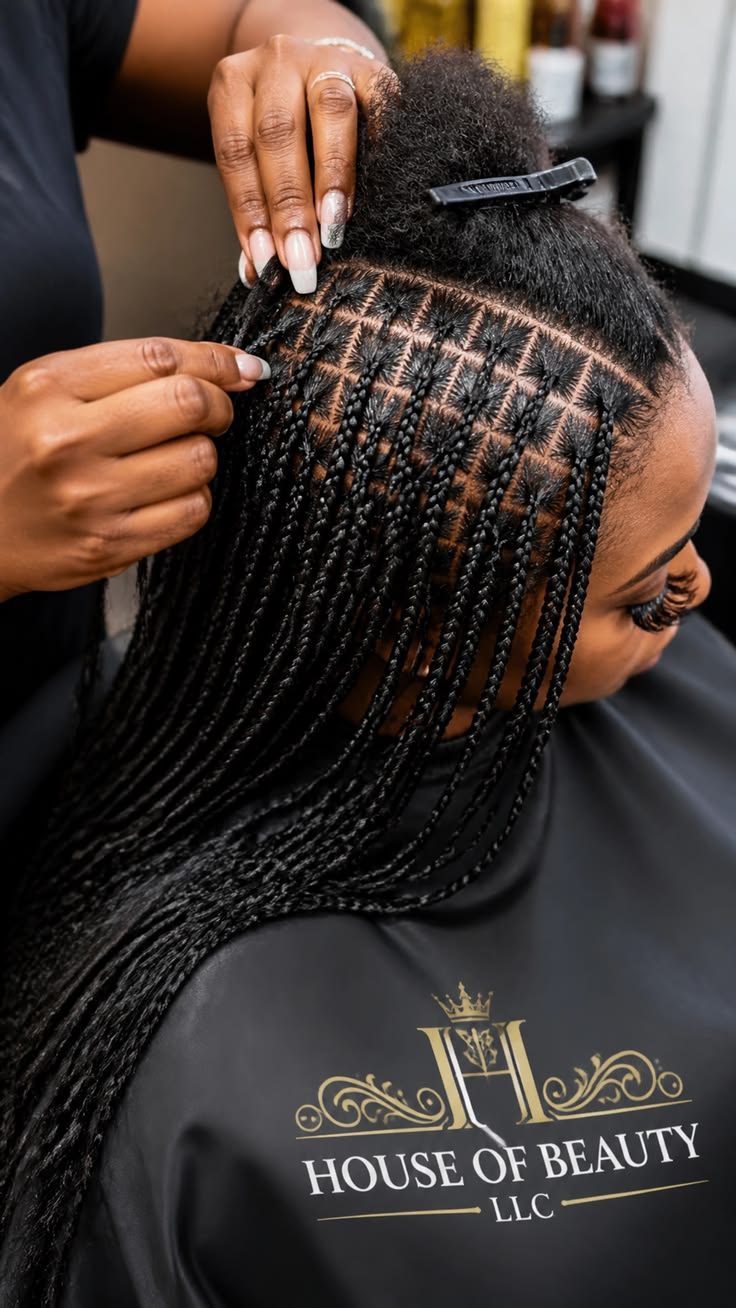
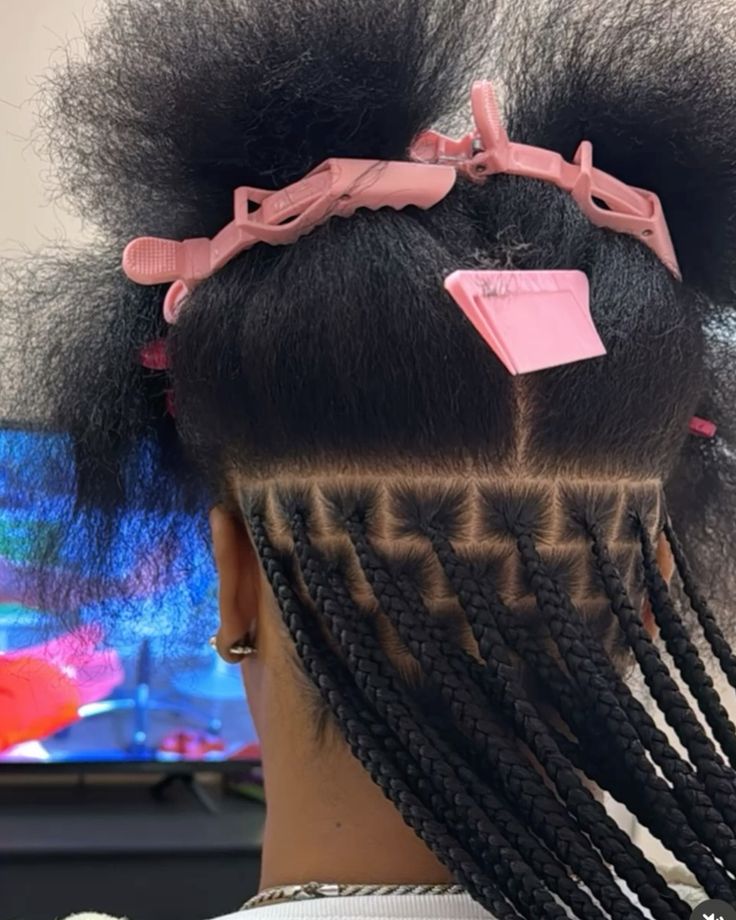
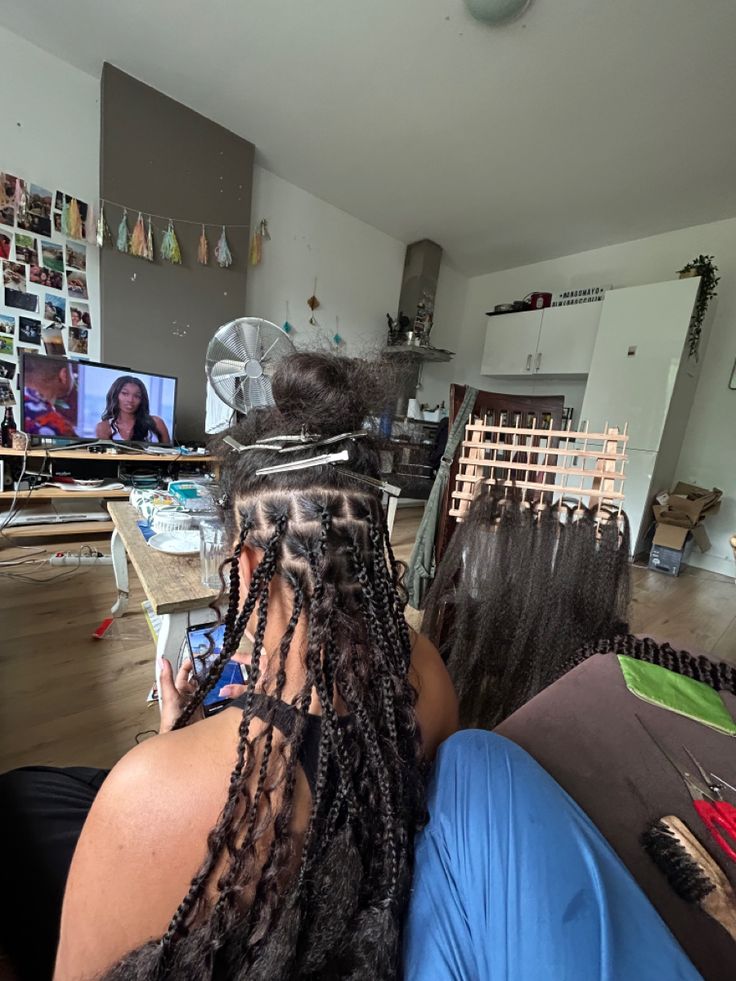
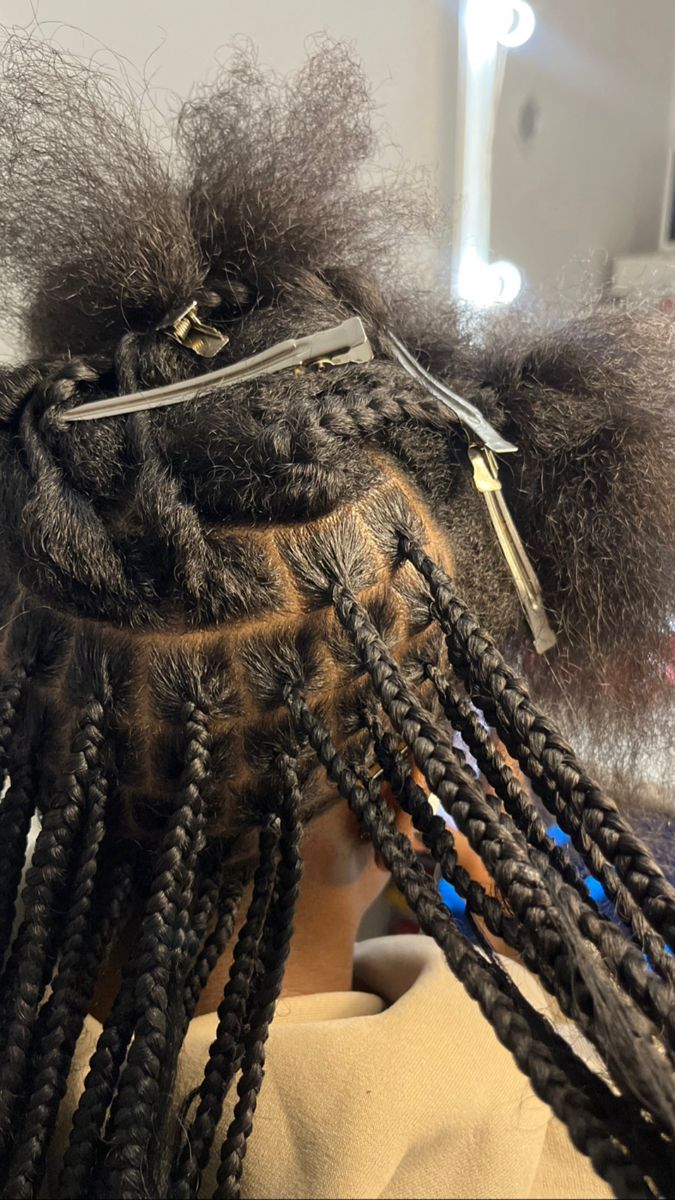
Your scalp also deserves attention while a style is installed. The CDC recommends maintaining scalp hygiene and choosing hair-care products appropriate for your hair type, while also advising against sharing combs, brushes and other personal items.
So, Which One Should You Choose?
There is no universal answer to wigs, sew-ins, or braids. If you love changing your look, want flexibility, and do not mind maintaining a removable style, a wig may fit your routine. If you prefer having your hair installed and styled for an extended period, a sew-in may be more practical. If you want variety without daily styling and enjoy braided looks, braids may be the option that fits your lifestyle.
Your budget should also include more than the initial installation or purchase price. Think about maintenance, removal, replacement, styling appointments, and the products you will need afterwards. A cheaper option that requires frequent replacement may not work out cheaper over time, while a more expensive option may only be worthwhile if you will actually use it regularly.
Do Not Ignore Your Natural Hair
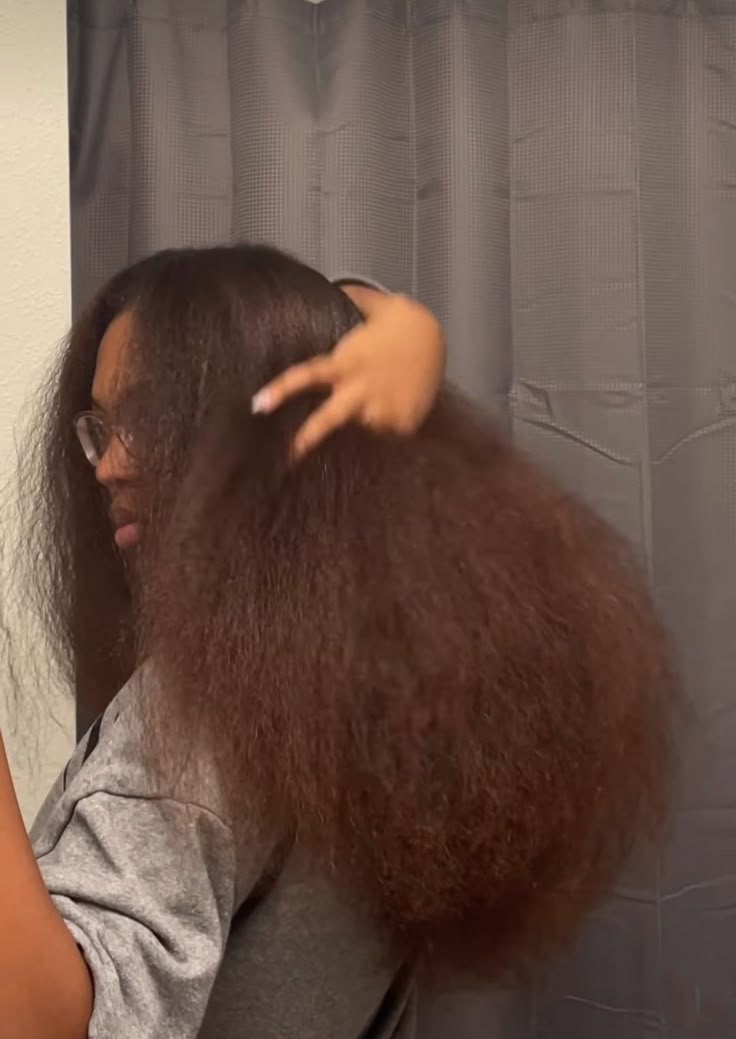
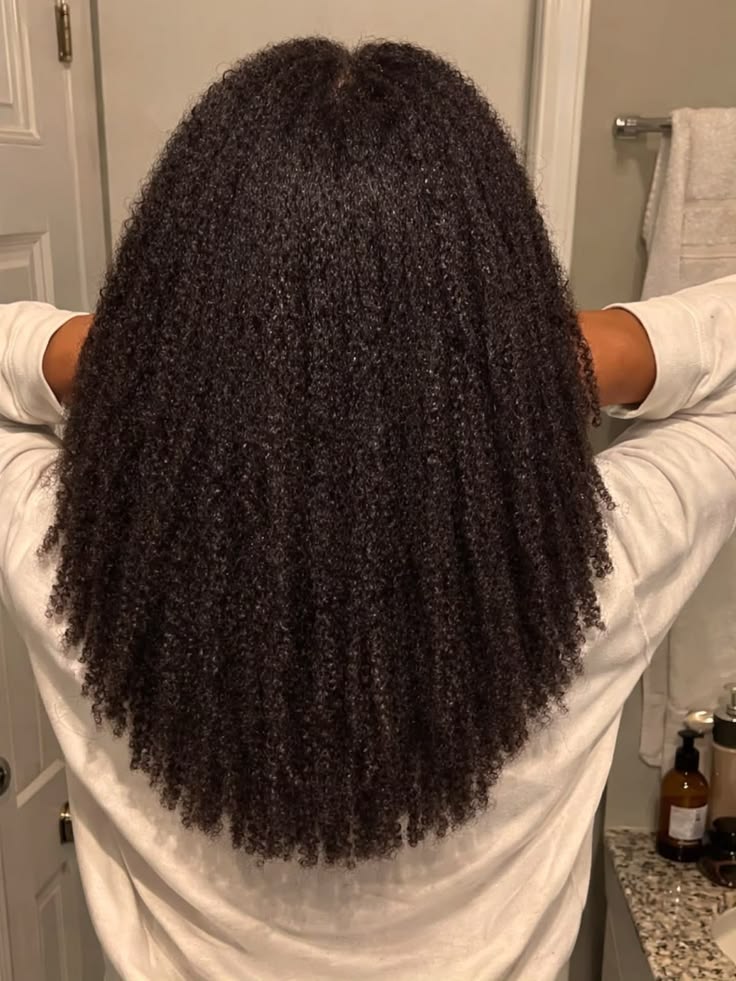
Whichever option you choose, your natural hair and scalp should not become an afterthought. Tight styles can cause traction alopecia, a form of hair loss caused by repeated pulling on the hair. The condition can become permanent when the damage continues, which is why dermatologists advise changing hairstyles regularly and paying attention to warning signs such as pain, stinging, crusting, broken hairs, or a receding hairline.
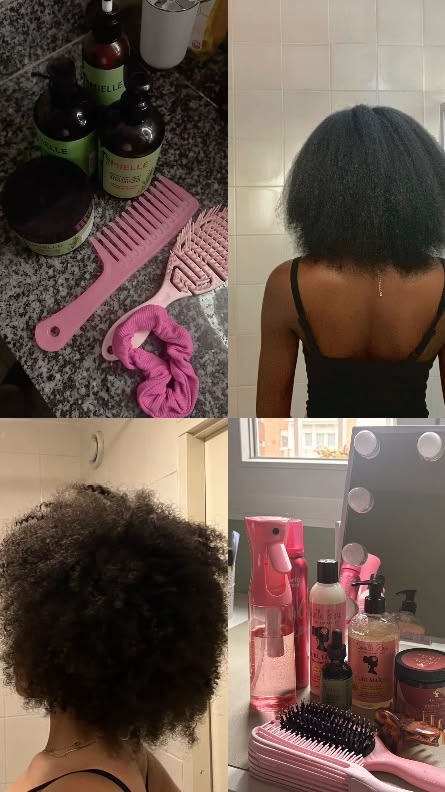
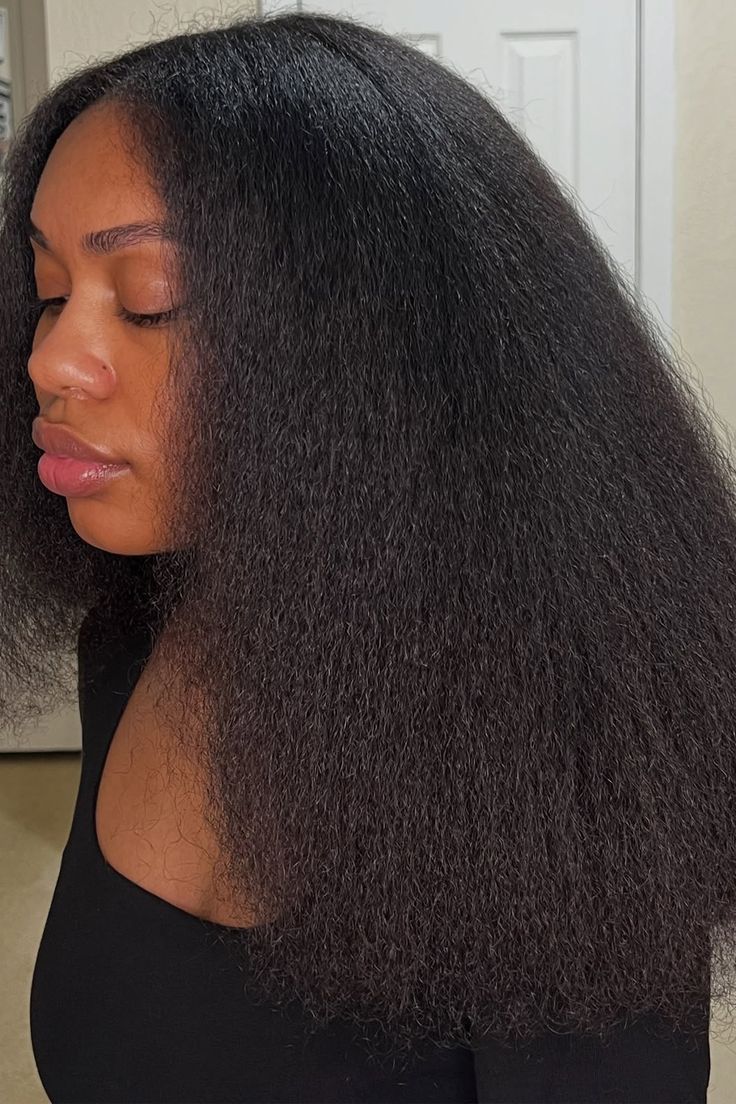
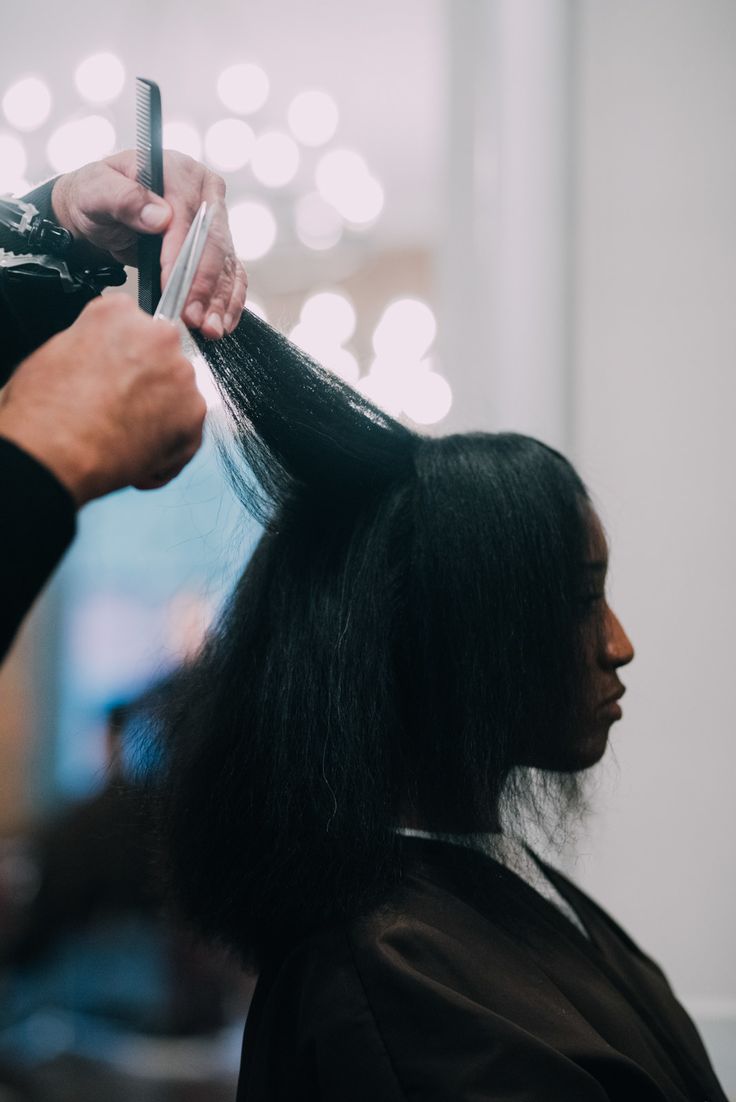
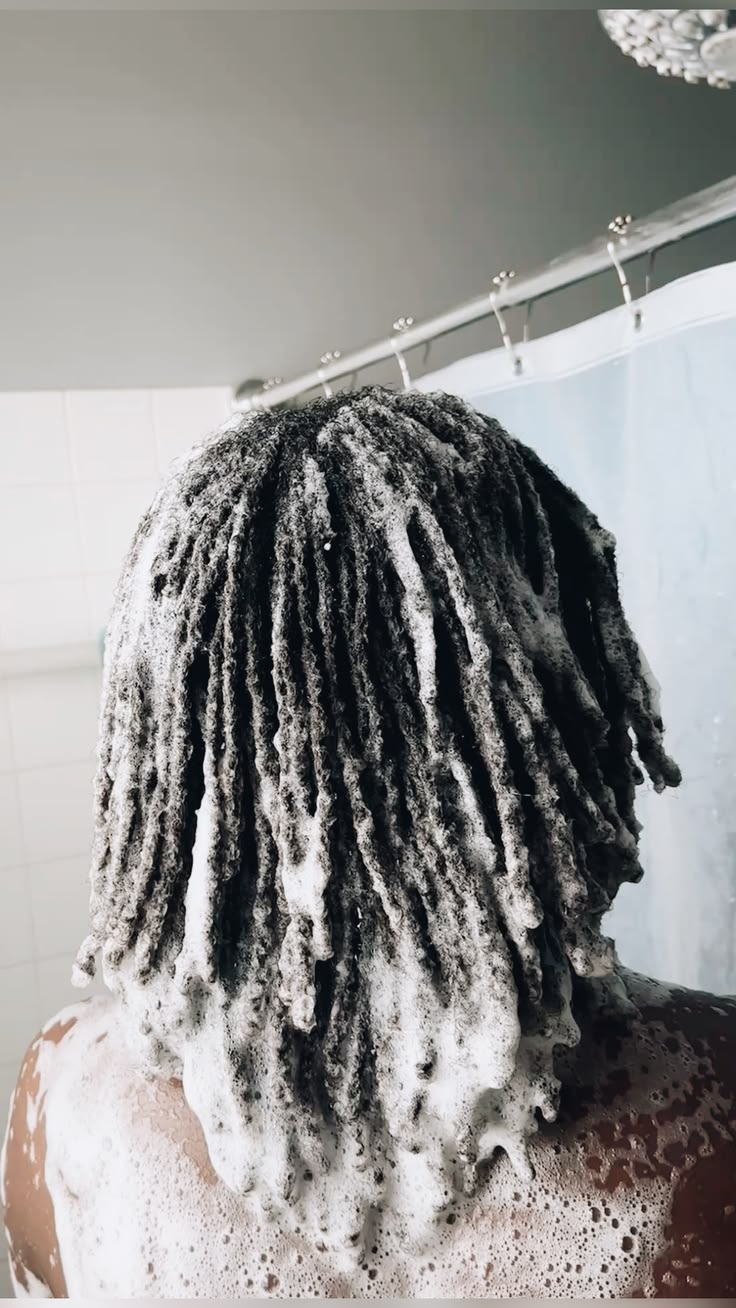
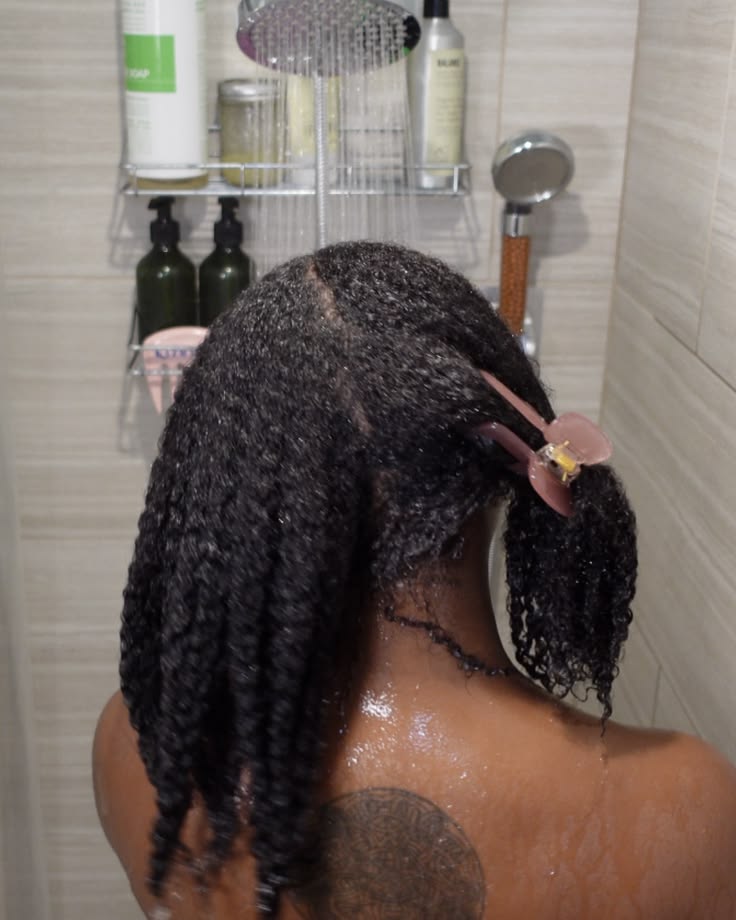
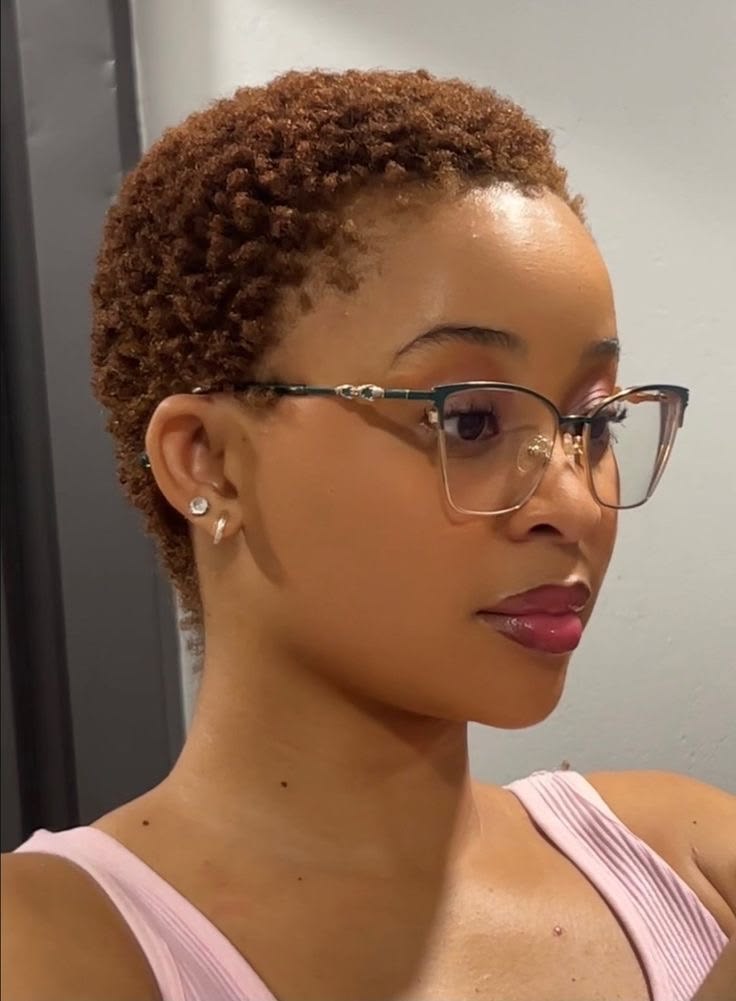
One rule is particularly simple: if a hairstyle hurts while it is being installed, speak up. Pain is not proof that a style is secure or well done. A professional stylist should be able to adjust the installation rather than expecting you to tolerate discomfort for the sake of the final look.
Choose the Hair That Fits Your Life
The best hairstyle is not necessarily the most expensive wig, the most intricate braids, or the newest sew-in trend. It is the option that fits your lifestyle, your budget, and your willingness to maintain it, while allowing you to care properly for your natural hair.
Before booking your next appointment or making that hair purchase, think beyond the picture you saved. Ask how often you will wear it, how much maintenance it requires, whether the installation will be comfortable, and what it will cost to maintain. A great hairstyle should look good, feel good, and make sense for the person wearing it.
At UncutXtra, we believe personal style should work for you, not the other way around. Whether your next look is a wig, sew-in or braids, make the choice intentionally and give your hair the care it deserves.
Check out our previous blog post on:
Follow all our social media platforms on Uncutxtra Magazine Linktree.